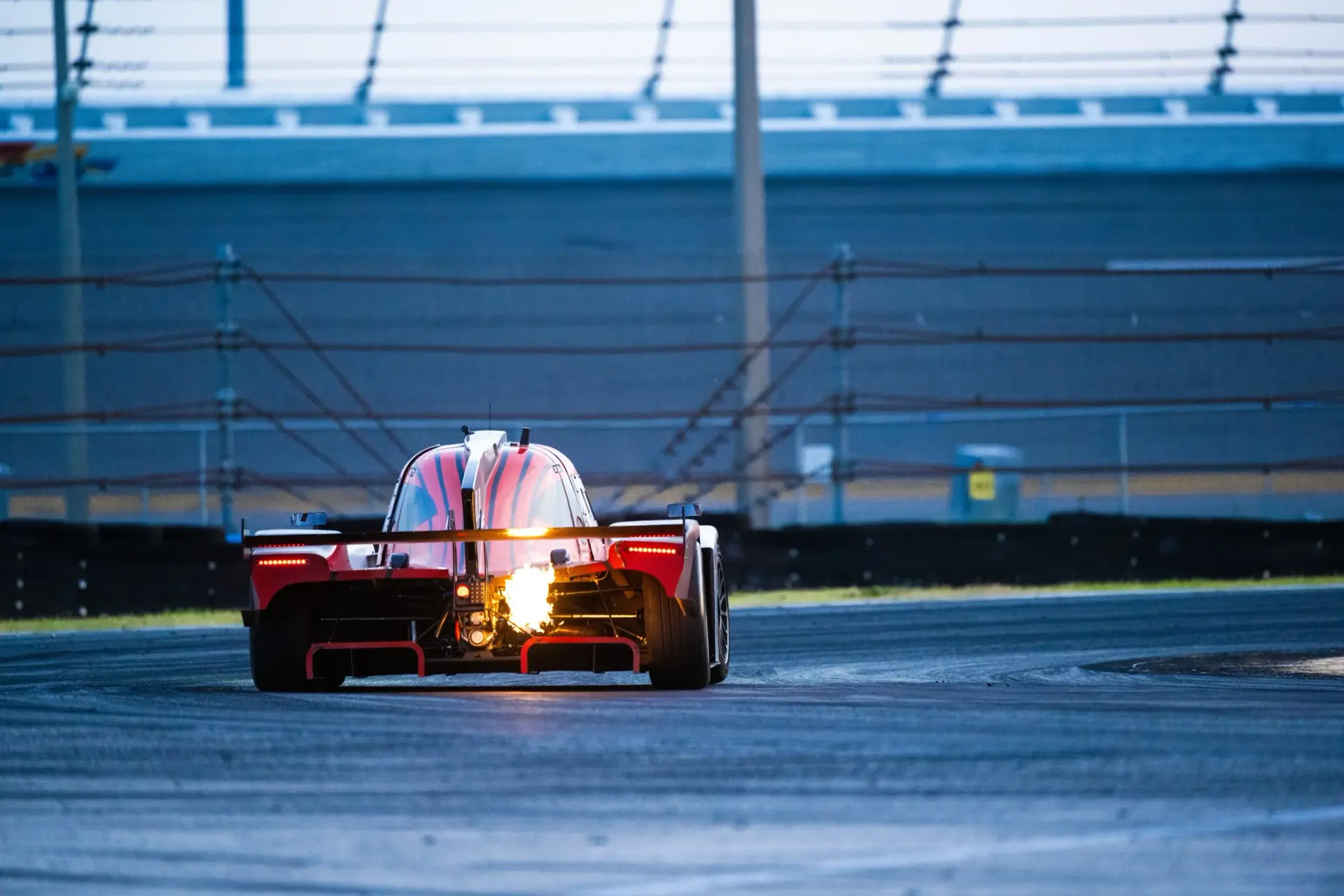
Still on track at the end.
Jon McClintock leads ZP2. The roundabout path into the NP01, what twelve hours actually asks, and the red #3 that keeps finishing.
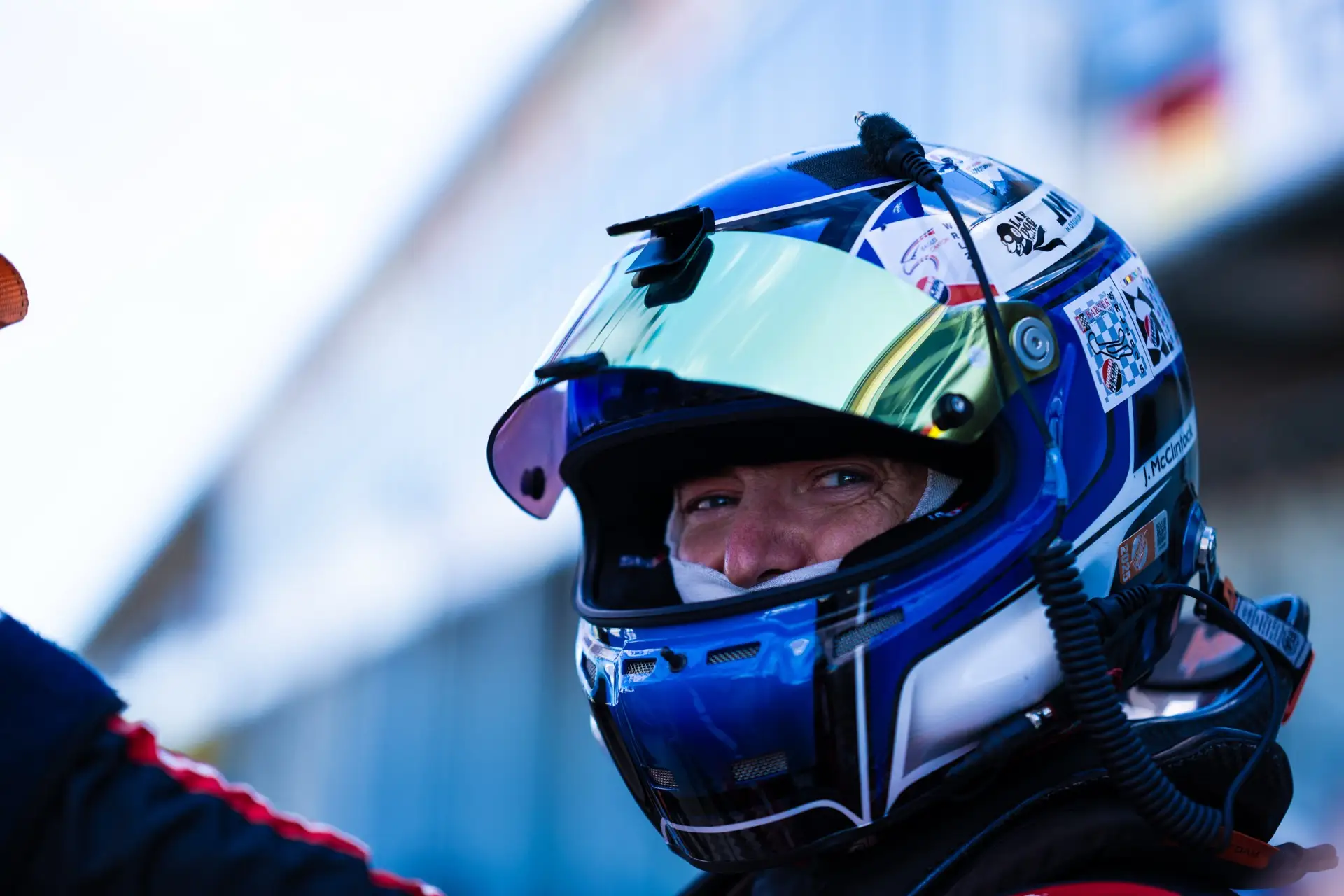
Jon McClintock drives the red #3 for Round 3 Racing in the Zenith Racing Series’ ZP2 class. He is, as of the most recent published standings prior to VIR, the championship leader. He hasn’t been the fastest driver in the field this season. He says it himself, and the lap chart agrees with him. By the time the rest of the field catches up with the math, he’s already disappeared up the road. Consistency and the sheer willingness to not quit have him sitting alone on top of the standings.
McClintock lives in Seattle. Through the rest of the year he campaigns a Spec Racer Ford Gen 3 and a Formula Enterprises 2 in SCCA Super Tour. He just took the FE2 Western Conference championship and finished runner-up in SRF3. The NP-01 is his most recent step up. He found his way to Round 3 Racing through last year’s WRL season, and shares the #3 with co-drivers Christian Guirguis and Oleg Gorshkov.
We reached him over DM, between rounds.
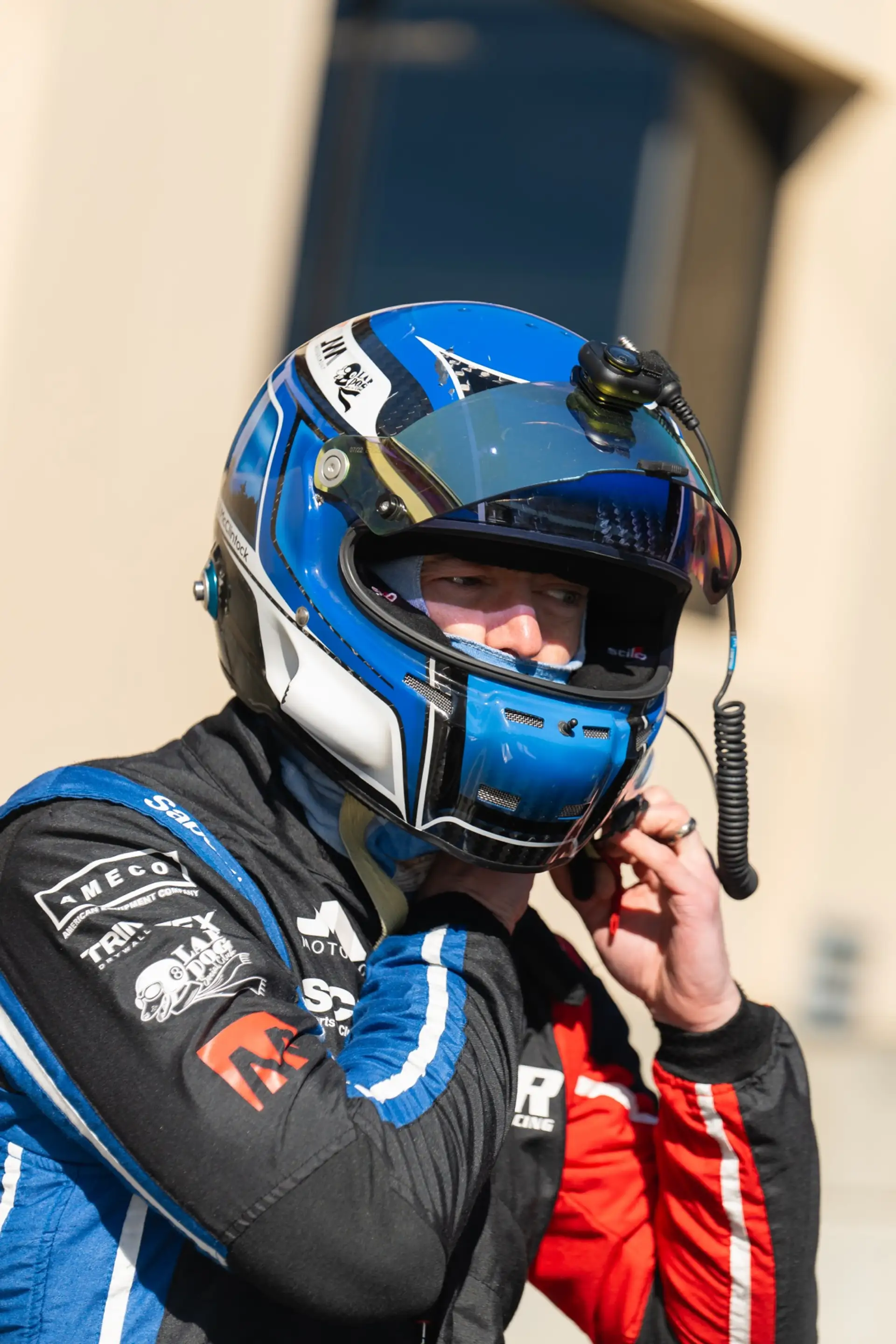
The Debrief
The basics — where you’re from, what series you run, the cars.
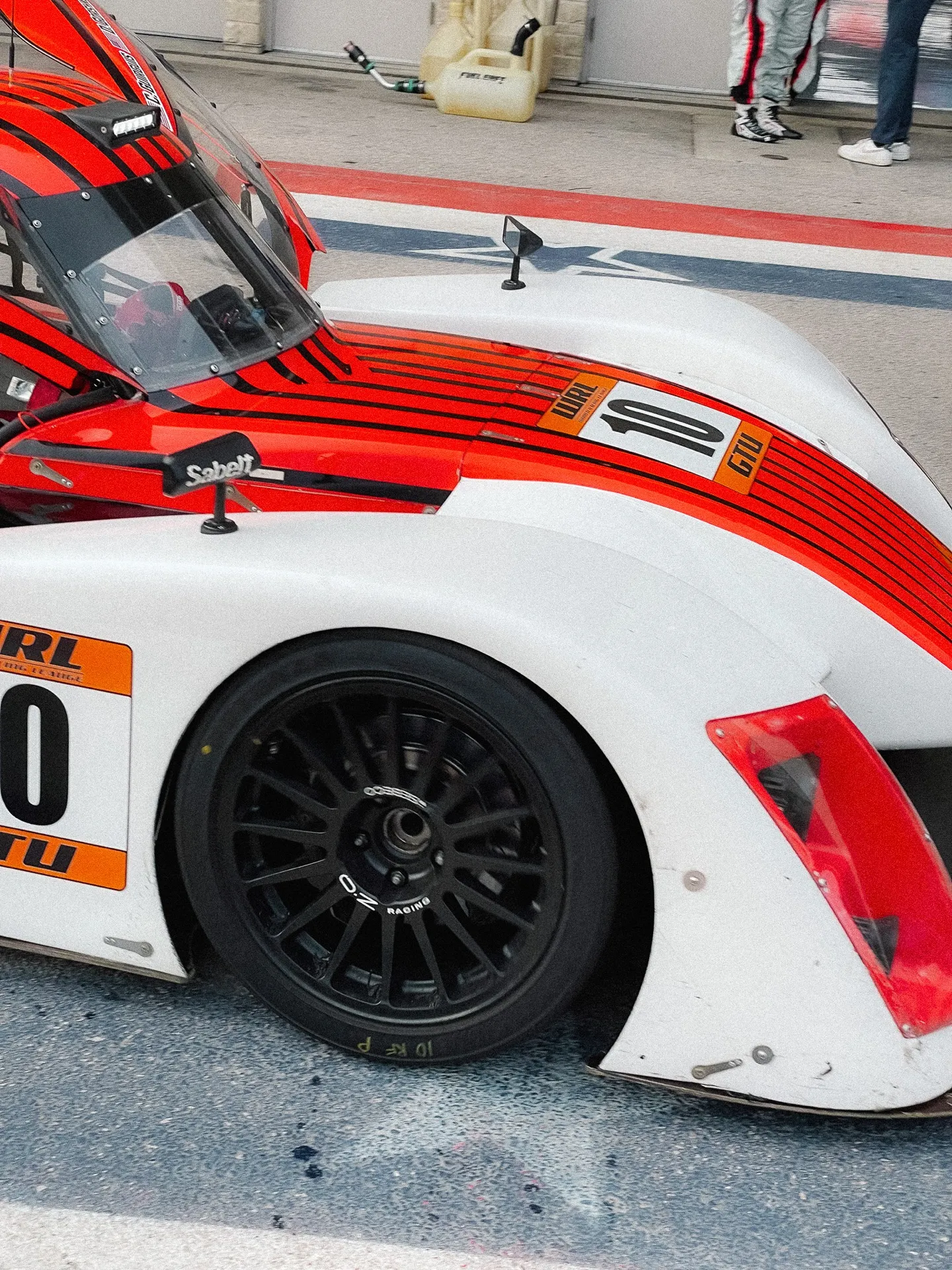
I live in Seattle, Washington. For endurance racing, this year I’m racing in the new Zenith Racing Series, in Round 3 Racing’s number 3 Sebeco NP01-EVO Endurance. I also race in SCCA, running both a Spec Racer Ford Gen 3 and a Formula Enterprises 2. I just won the Western Conference championship in FE2, and am runner up in the Western Conference in SRF3.
If you can’t tell, I like lightweight, high-grip single seaters. There’s just nothing like sailing into a high-speed, high-commitment corner and telling yourself to keep it floored because the grip will be there, and then having the car respond immediately to your inputs as you brake and turn into the next corner.
How’d you end up in an NP01? What was the first car, the first series, the moment you knew this was it?
I found my way into Round 3 Racing and the NP01 in a bit of a roundabout way. My racing career started in track days in 2015. I’d had an Audi R8 for a year and wanted to actually drive it in a performance setting, so I did a few track days and then went to get my racing license with Pro Drive down in Portland in their SRFs. I did that for a year, wasn’t very good, had some big incidents, and went back to track days.
In the pandemic I got into iRacing and doing online endurance racing with some friends from an F1 podcast, and wound up as a volunteer steward for a Pacific Northwest iRacing league, where I met this guy Christian Guirguis. He raced SRF3, and also raced a Factory Five 818 in endurance racing with some of his friends. Fast forward to early 2023 and we’re in a local track-day Discord together, and he’s egging me on to get back into actual racing.
Eventually I relent, sign up for a race at Portland that summer, and it was downhill from there. I bought my own SRF3, started racing it. I was a much better driver by then, so I was having more success, and I had the budget to keep doing it, so I kept at it. At the end of 2024 I was trying to figure out what I wanted to do for racing next year. Christian had signed up to race in WRL with R3R, but by the time I could commit, their seats were full. So I reached out to a couple of teams, and got connected with David Russell at Automatic Racing, who were also going to be running NP01s in WRL.
David invited me out to a test at NOLA that was coming up, so I booked flights and got into a car I’d never driven before on a track I’d never seen before, on a cold wet morning in January. To say the car was intimidating was an understatement: loud, cramped, vibrates everything to pieces, and fun as hell. I was hooked, and I was barely approaching the potential of the car.
David was happy to have me on a race-by-race basis, so I signed up for the first race of the season at Eagle’s Canyon. That race went reasonably well, but afterwards a seat on the R3R team opened up, so I moved over to them for the rest of the season so that I could share a car with Christian. The team’s been great to run with — super supportive, everyone’s there because they love it, and we’ve had some strong results here and there.
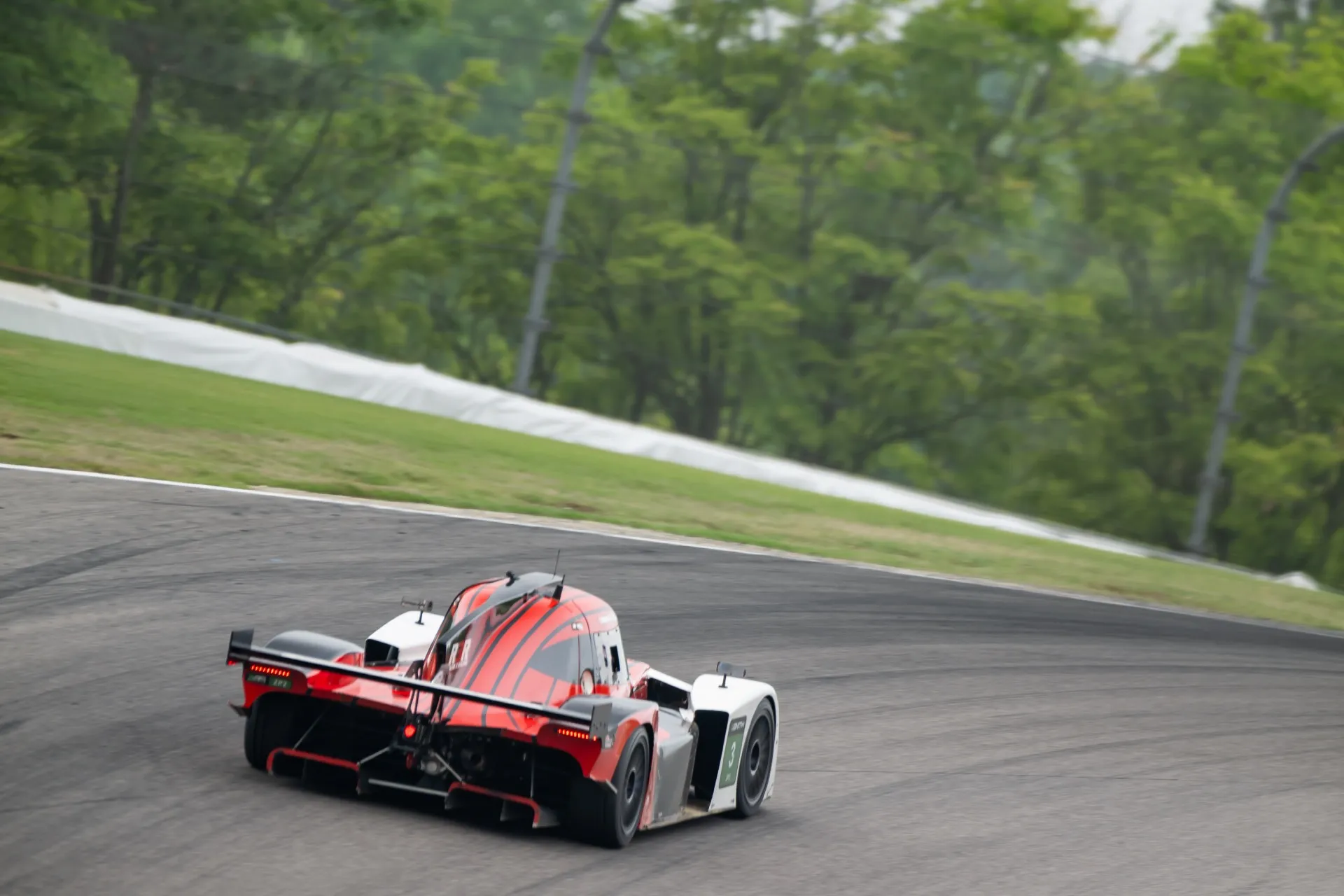
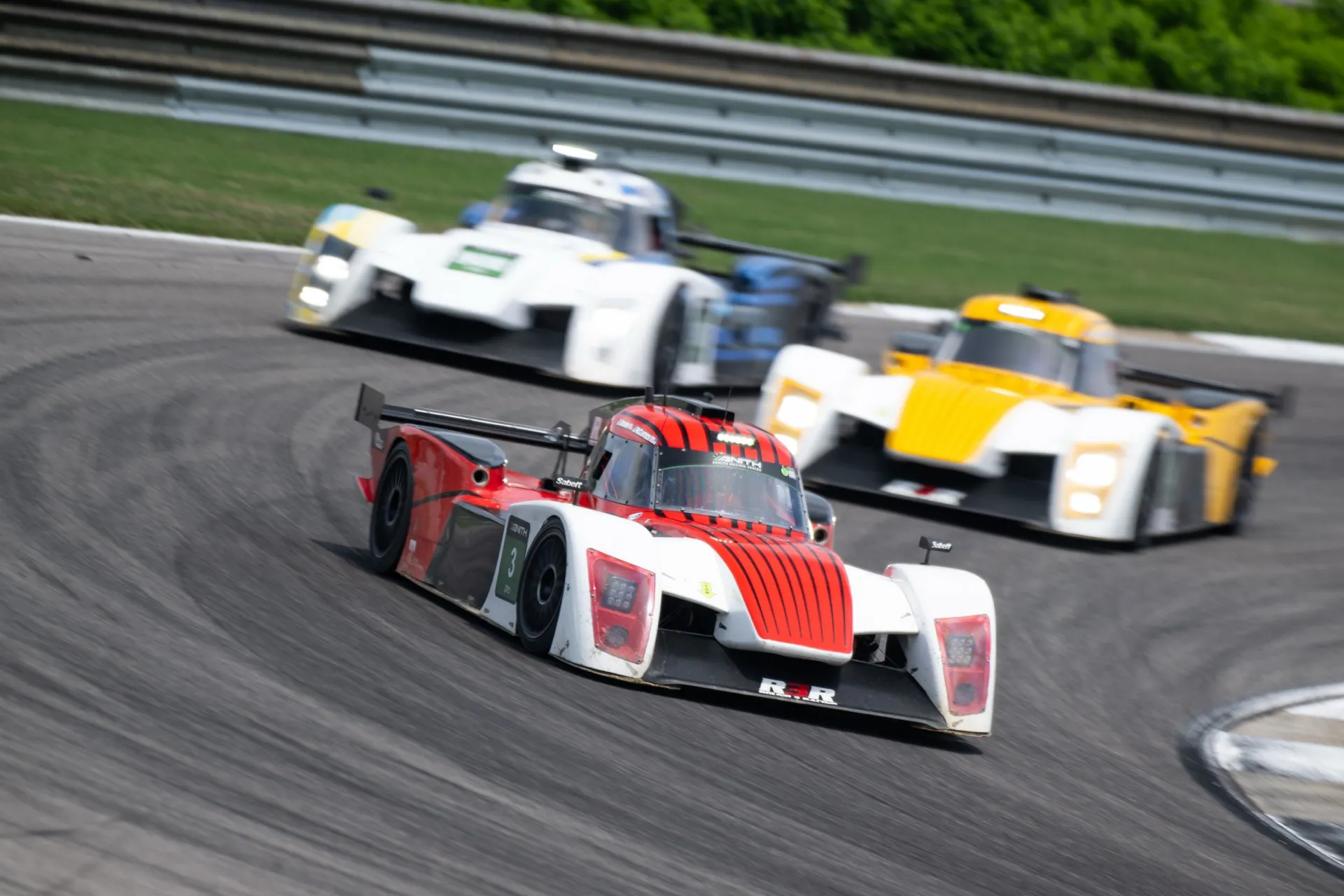
Time goes weird in a long stint. What do hours in the seat actually feel like? Faster, slower, gone?
Time is relative. So much of it depends on what you’re doing and what’s going on in the rest of the race. With multi-class endurance racing, there’s always something you’re managing — traffic, fuel, tires, the weather, or that sudden pang of hunger with an hour left in your stint.
Long safety car / Code-60 intervals are probably the worst. A short one can be a good break from the action, but none of us are out there to drive at exactly 60 KPH for hours on end, and it can be very mentally draining to try and stay right on the limit of what they allow without going over it.
The best times are when you get into a rhythm and can just flow with the car at a good pace. It’s not that the world disappears, it’s just that everything feels right.
What about wheel-to-wheel? Does that change the time math?
While it’s not common in endurance racing, wheel-to-wheel can definitely stretch time, in both directions. When you’re attacking, everything speeds up and you’re just focusing on what’s in front of you, looking for your opportunity. When you’re defending, a single lap can stretch into an hour. Do I defend, or do I just try to drive as fast as I can? If it’s early in the race, maybe I let them by and tuck in behind to figure out how they’re able to be faster than me. What about traffic? Will it help me, or hurt me?
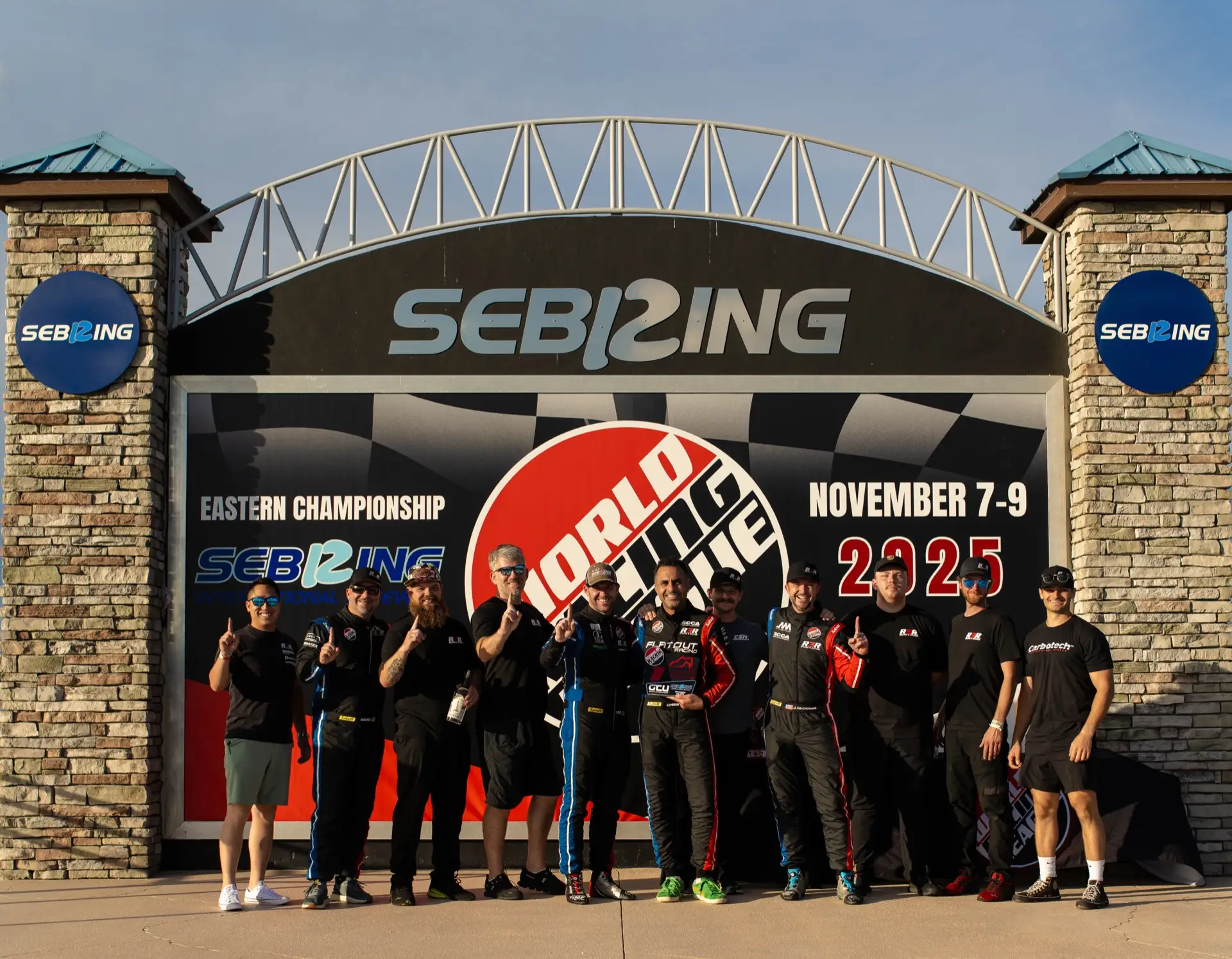
We won a WRL race at Sebring last year in quite the roller coaster of a race. Time sped up and slowed down many times in my stint.
McClintock in the World Racing League series at Sebring, last season. Climbing in for his stint, which ended in a win.
What’s the part of the weekend that decides Sunday, and what would a non-driver never know to look at?
So much of success on Sunday depends on comfort and confidence. Everyone makes mistakes out on track. What you do next matters most. The worst is when you can’t figure out why something happened. But once you do, you learn, you adapt, and you move on. Like Ross Bentley says: if you miss an apex, you’re not going to go back and get it.
Oh, and for endurance racing: manage your liquids carefully. The only thing worse than having a full bladder with an hour left in your stint is getting leg cramps — or worse — because you’re dehydrated.
Forget the championship for a second. What’s the part of endurance racing that keeps you coming back?
Endurance racing is a completely different mindset from sprint racing: it’s a team sport, and that doesn’t just mean your co-drivers. Whether they’re paid or volunteers, your crew are working long and hard to keep you in the race. It’s rare that a driver is the first, or the last, person at the track, and it’s easy to forget that. So I try to pay attention to that, and respect their commitment.
That can be a lot of pressure: if you make a mistake, all the work can go out the door in an instant, and if they make a mistake it can be disastrous for you. But getting mad doesn’t solve anything. Again, learn from your mistakes, adapt, and keep going.
Tell me about a race that taught you something.
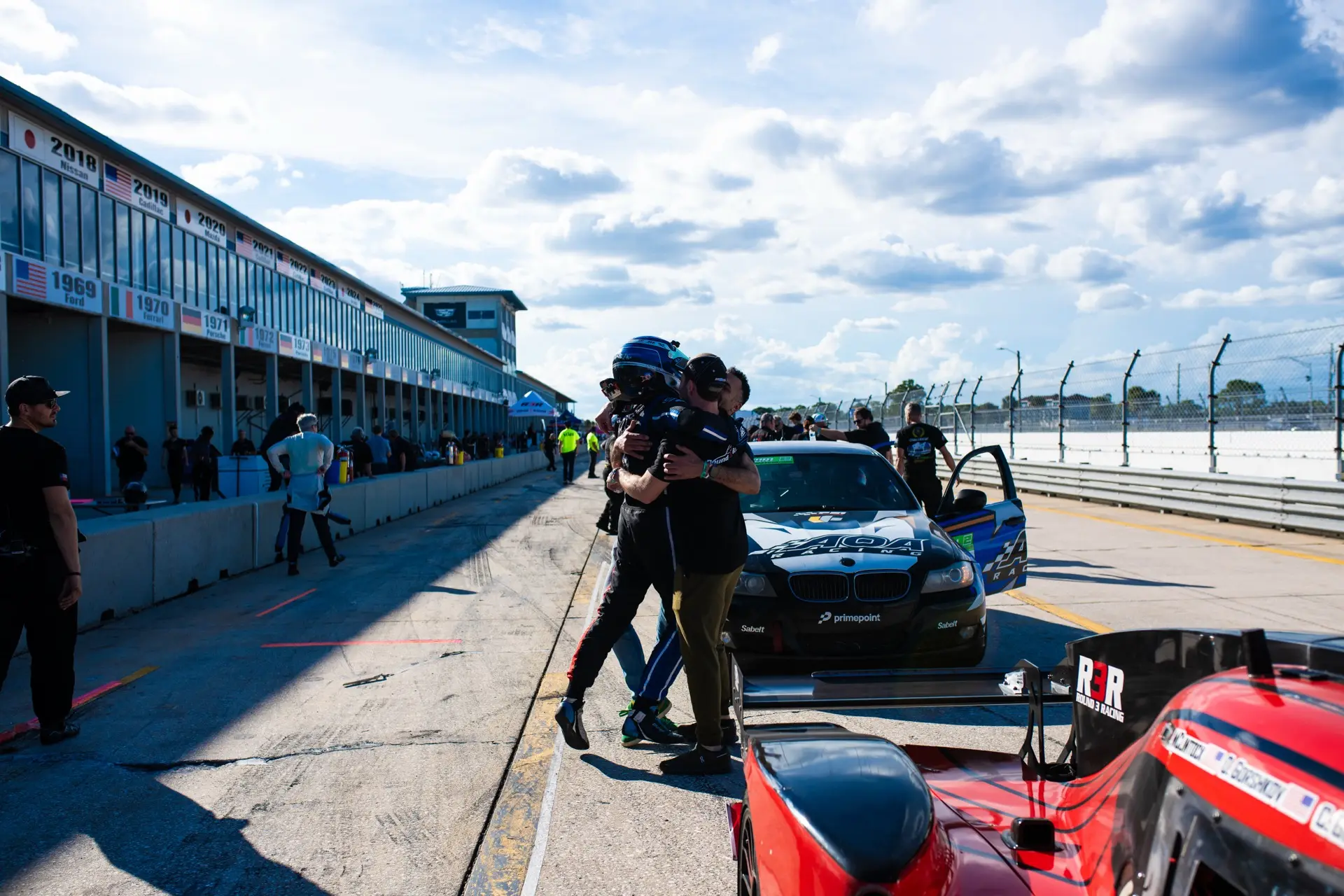
We learned a lesson last year at Road Atlanta about giving up. We’d had contact early in the race that weakened a control arm, which gave way several hours later, putting us in the gravel. They towed the car back to the paddock full of gravel. It would have been an easy fix, but we didn’t know what else was broken, and we were well back in the field, so we decided to park the car and call it done. I’d even started looking at earlier flights home.
Fifteen minutes later we got the call on the radio that two other cars had dropped out, and we could be on target for a podium. Everyone leapt into action — mechanics fixing the suspension, everyone else helping scoop armfuls of gravel out of the bodywork. We got the car running again, sent Christian out, and missed out on our first podium of the year by the equivalent of five minutes of running.
If we hadn’t given up, we would have had that podium easily. From then on, we never give up. No matter how bad it looks, if we can get the car running safely, we stay in the race.
Twelve hours. When do you actually push, when do you just sit in the seat? What’s the rhythm across hours?
There’s a saying that a twelve-hour race is just ten hours of preparation before the race begins. Yeah, you can push at the start, but it’s far better to run at a pace that’s comfortable, safe, and doesn’t take too much out of the car. I’m by no means the fastest driver out there — I’m a really good amateur driver, and I’m getting better every race, but the pros can run circles around me. My success in endurance racing comes from running a clean, consistent pace, and bringing the car home.
Before the race starts we’ll sit down as a team and come up with a rough strategy: stint lengths, driver order, setup notes, fueling and caution strategy. We’ll talk about conditions and what to expect in terms of track evolution and car balance as the tires wear. We’ll usually know from the test day and qualifying where we sit in the field in terms of maximum pace, but it’s rare that you get a read on all of a team’s drivers before the race starts. It’s not until an hour or two in, when everyone cycles out their faster drivers, that we get a real sense for where we are in the pack.
At that point we may try to pick up the pace a bit, or just cruise at what we know we can maintain. Between Christian, Oleg, and myself, we’re fairly matched for pace, so we know that our pace won’t change too much with driver changes. But we also know who’s better at pushing for ultimate pace and who’s better at dealing with changing conditions.
If all goes well, by the time we hit that eleventh hour we’ll know exactly what we need to do and how much we need to push. And then it’s just a matter of bringing the car home. Which isn’t always easy. There’s nothing more vexing than having something break with ten minutes left in an eight-hour race.
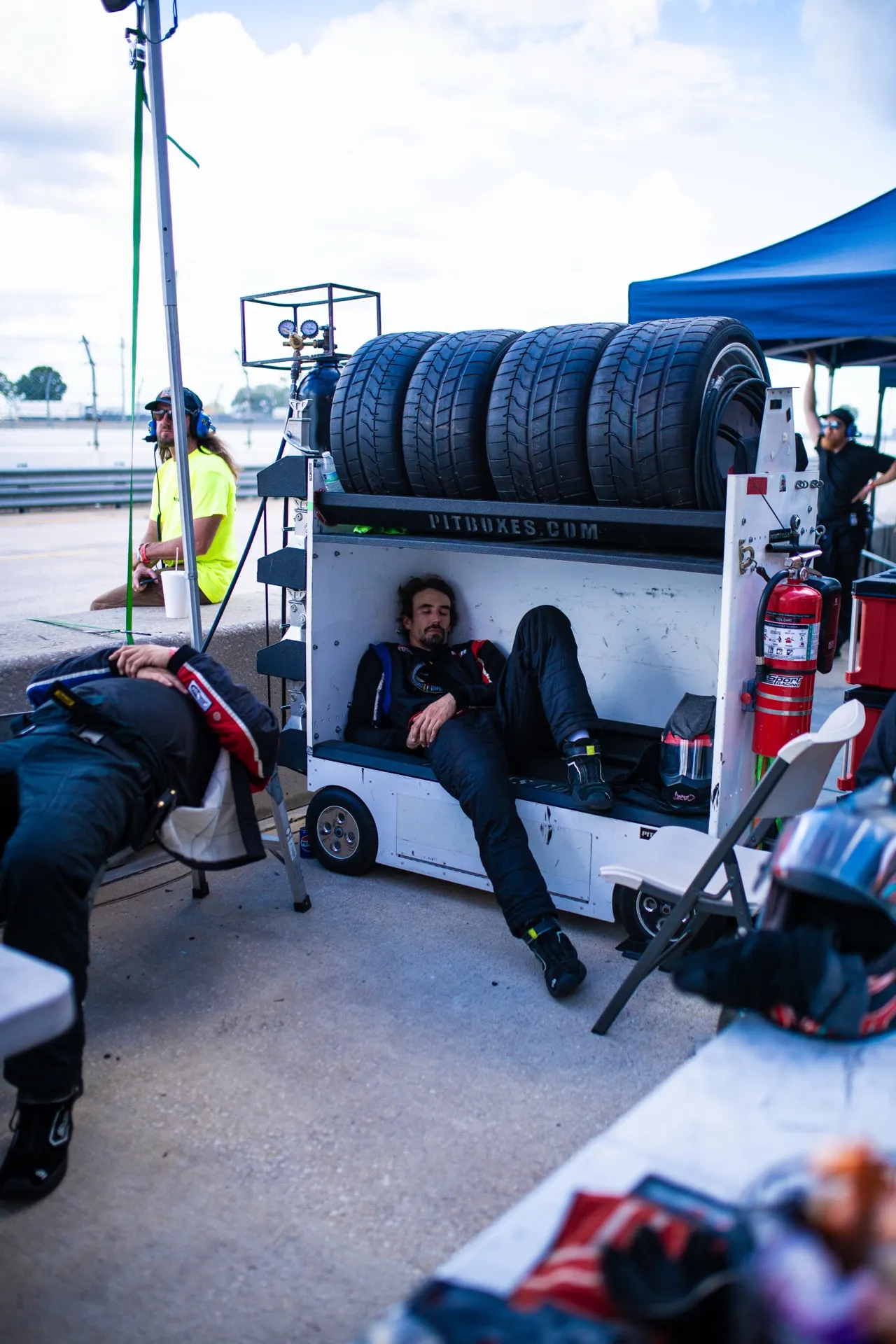
You spend hours in the seat. Is there a moment when your mind goes somewhere that has nothing to do with racing?
Yes, definitely. Your mind can wander during a long stint. Especially if there’s a prolonged safety car. But usually it’s to something relevant — strategy, conditions, who’s in next, thoughts on things to discuss with the mechanics after the race. Sometimes you get hungry and start thinking about food.
Sometimes you see something on track that you’ve never noticed before, and wonder why you never saw the creepy child mannequins at the pit entrance to Barber until now, or how long that other car you just passed has had a bent wing.
But one thing I love about being at a race track is that the outside world just disappears and I get to be in the moment, doing this dumb thing that for some reason makes me happy.
P5
Best 1:46.906
Gap +3.523s
Opening weekend. Neil and Christian shared the seat. The pattern begins quietly.
P4
Best 1:47.274
Gap +2.852s
Sunday at Sonoma. Same car, same approach: one position better.
P6
Best 1:33.599
Gap +3.160s
The car spent more time in the pits than the team would have wanted. Points scored anyway.
P3
Best 1:33.342
Gap +2.988s
P3, best result of the season. Oleg in the seat now.
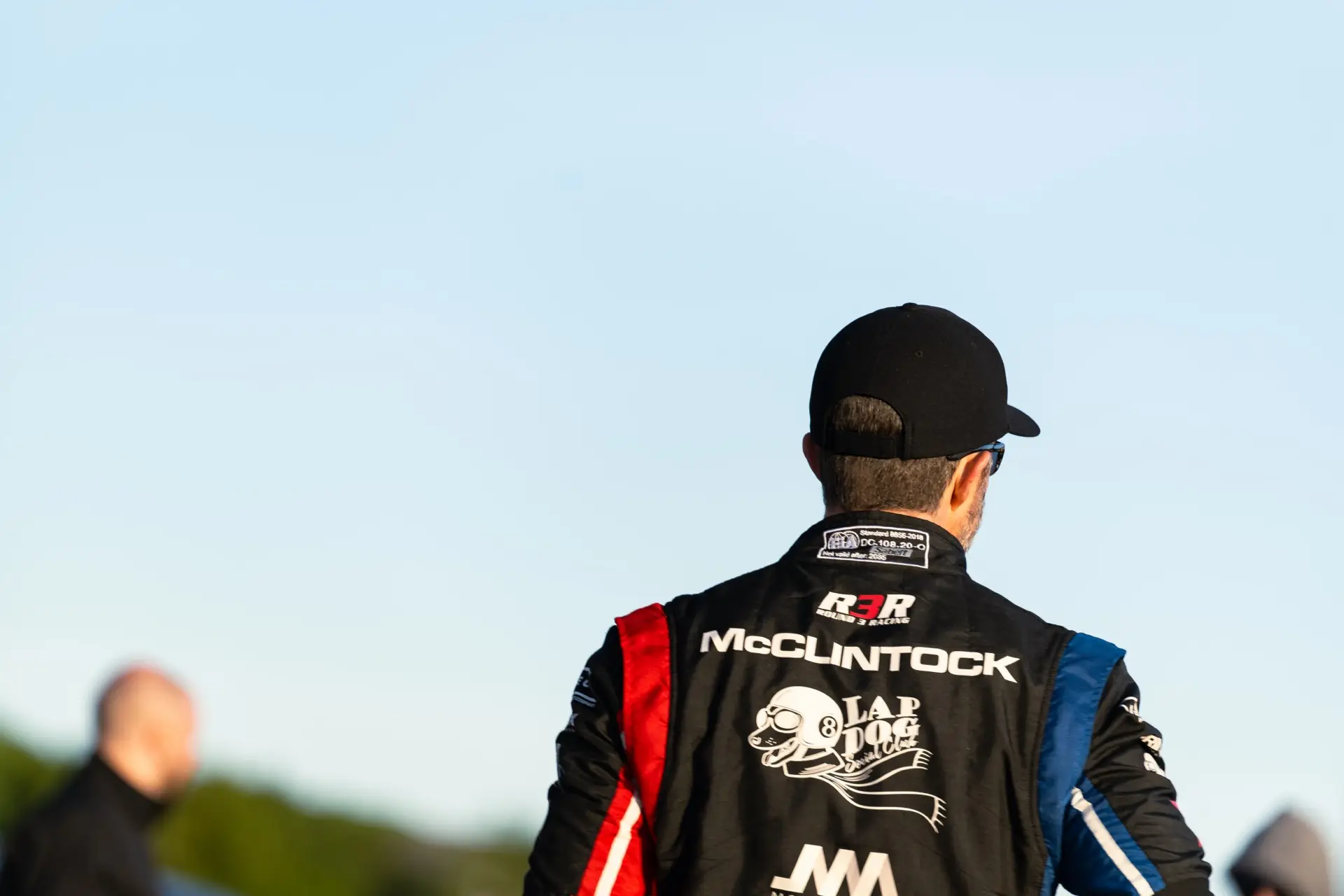
He calls it a fluke. He also calls it the dumb thing that for some reason makes him happy. The championship math says that consistency is what matters.
Driver debriefs, race dispatches, the story told from inside the helmet, by email.
A car guy first.
A Florida car salesman who never raced a kart, crowdfunded his way onto an IMSA grid at Daytona, and went viral flogging a rental minivan flat-out. Gino Manley on the green $5,000 hatchback that made his name, the lap of the Green Hell he'll never forget, and why he's a car guy long before he's a racer.
Follow the season live
Standings, the weekend schedule, and the broadcast when a session is on track.