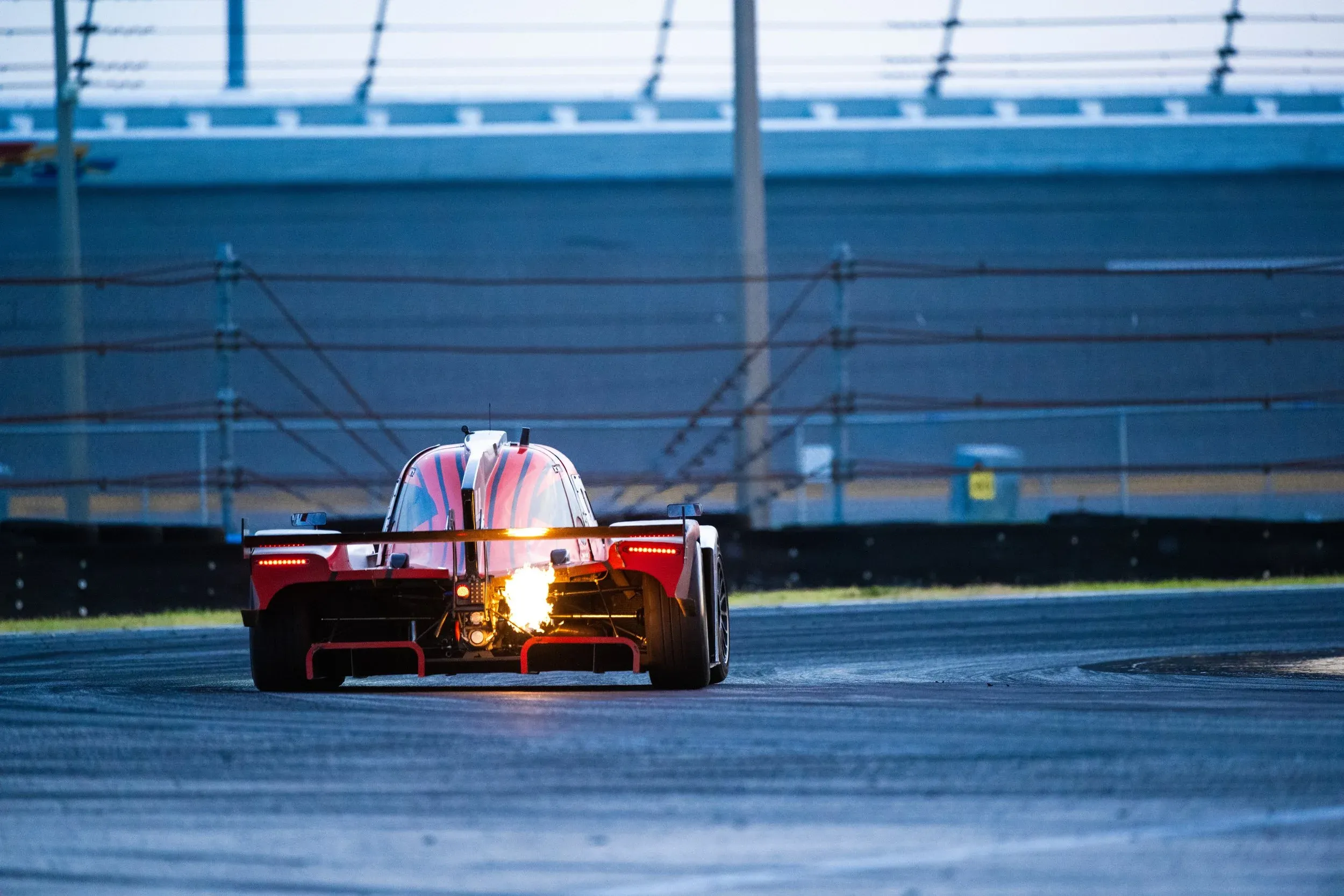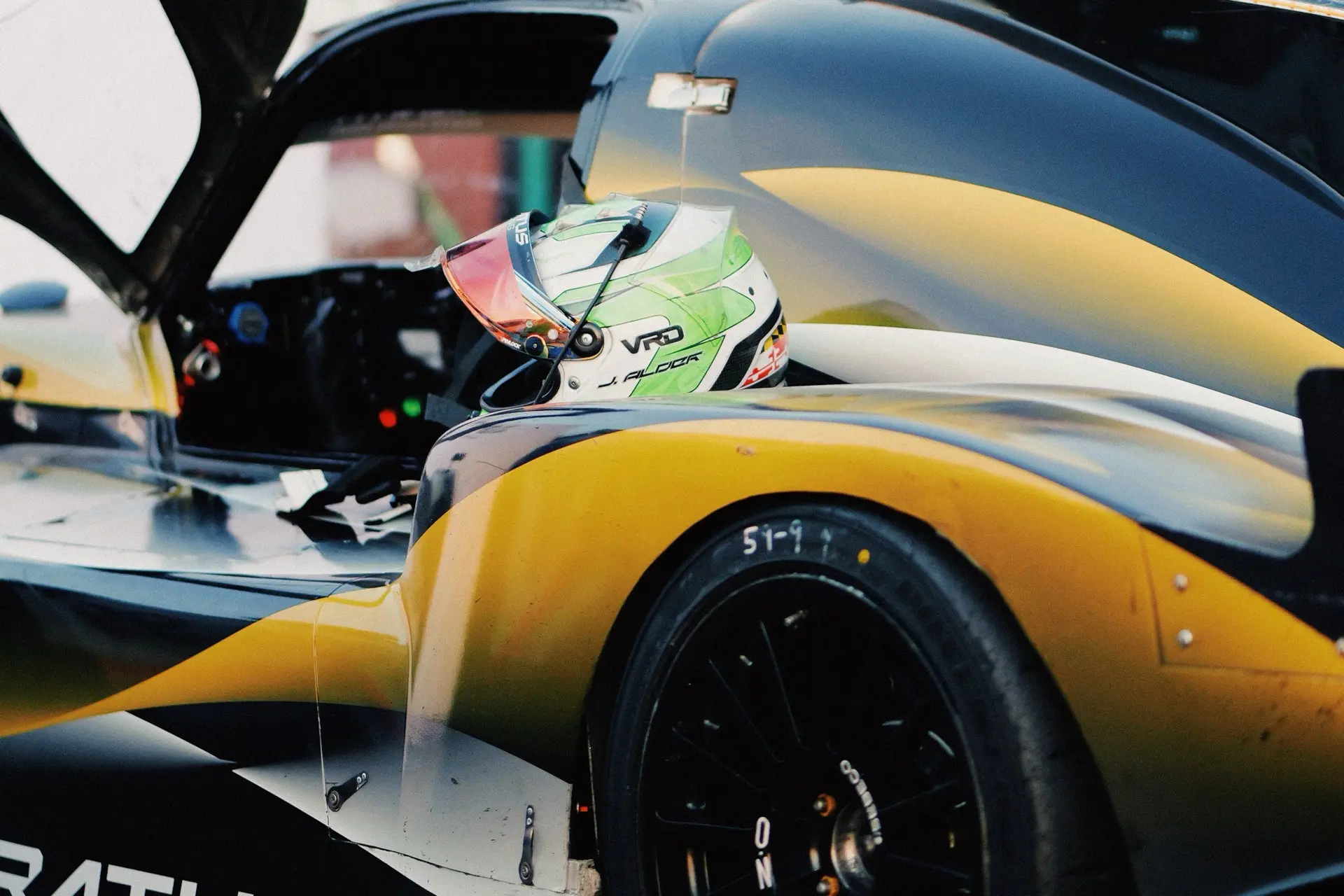
Quick everywhere he's been.
Four wins in five endurance races. Former F4 driver Jason Alder on composure, multiclass traffic, and the late braking move he still replays.
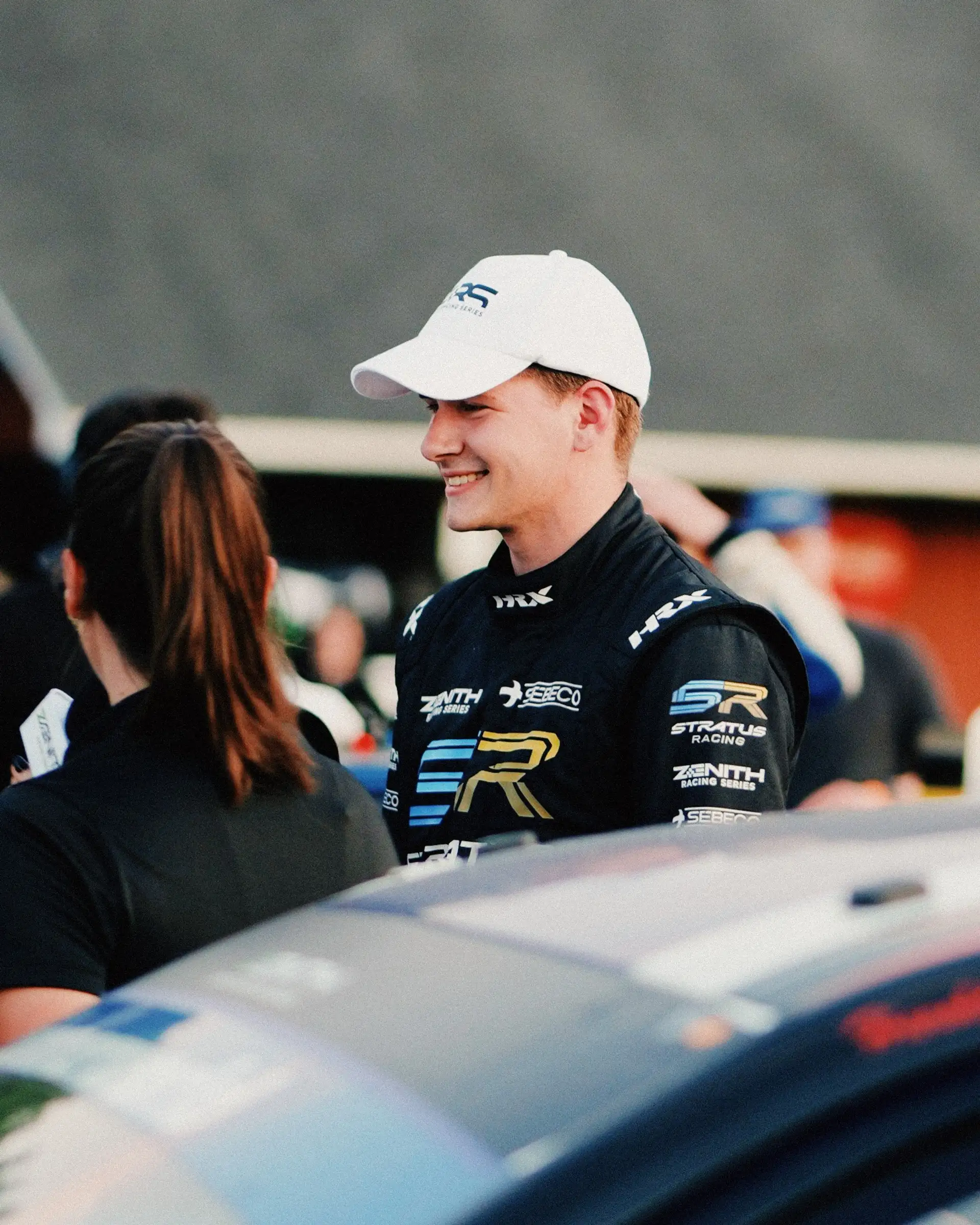
Jason Alder wins in whatever he sits in. A seven-time national champion who has won in karts, Legend cars, open wheel Formula cars and sportscars, he won the WRL 14 Hours of Daytona with Stratus Racing, and now he’s winning in Zenith Racing Series. The machinery and the series keeps changing, the results do not.
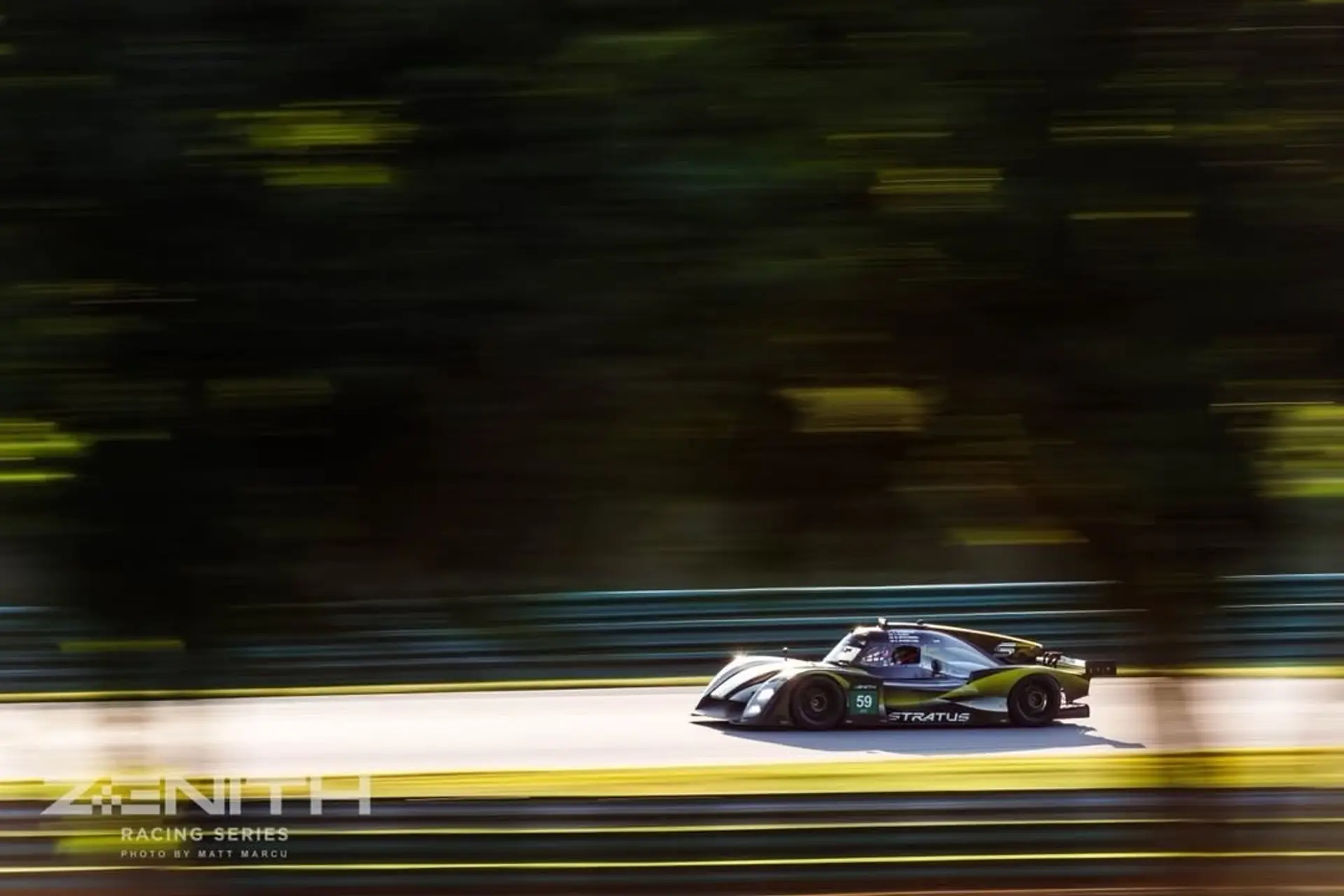
Now he runs the Stratus Racing #59 in Zenith’s ZP2, and runs the team while he’s at it. Through the inaugural season he’s been close to unbeatable: four wins from the first five races, the last the twelve hours at VIR, where the #59 he shares with Clay Magouyrk and Linus Lundqvist won outright. “It’s not my car, it’s our car,” he says, and he means the whole team. He’s raced in everything, won in everything, and we had to know the story from his side.
P2
Best 1:44.355
Gap +0.972s
The opener. A second on debut, and the only race so far the #59 has not won.
P1
Best 1:44.422
Gap +0.000s
Sunday at Sonoma. The first win, and the run was on.
P1
Best 1:30.439
Gap +0.000s
Barber, race one. In front and gone.
P1
Best 1:30.354
Gap +0.000s
The double done. Two from two at Barber.
P1
The twelve-hour. Won the class and the race outright, with Magouyrk and Lundqvist.
The Debrief
The basics first: where you’re from, what series you run, and what cars you’re driving now.
I’m from Cooksville, Maryland.I race in the Zenith Racing Series with Stratus Racing. I’m also the Team Manager of Stratus Racing. Currently I am driving the Sebeco NP01-EVO in the ZP2 class.
What was the transition like from sprint racing to a twelve-hour endurance prototype?
The transition from sprint racing to endurance racing was an easy one. You go from high-heart-rate, high-intensity short races to a totally different ball game. Endurance races are all about survival and taking care of the car to pass on to your teammates. The whole idea is actually turning the wick down, which is far easier than turning the wick up.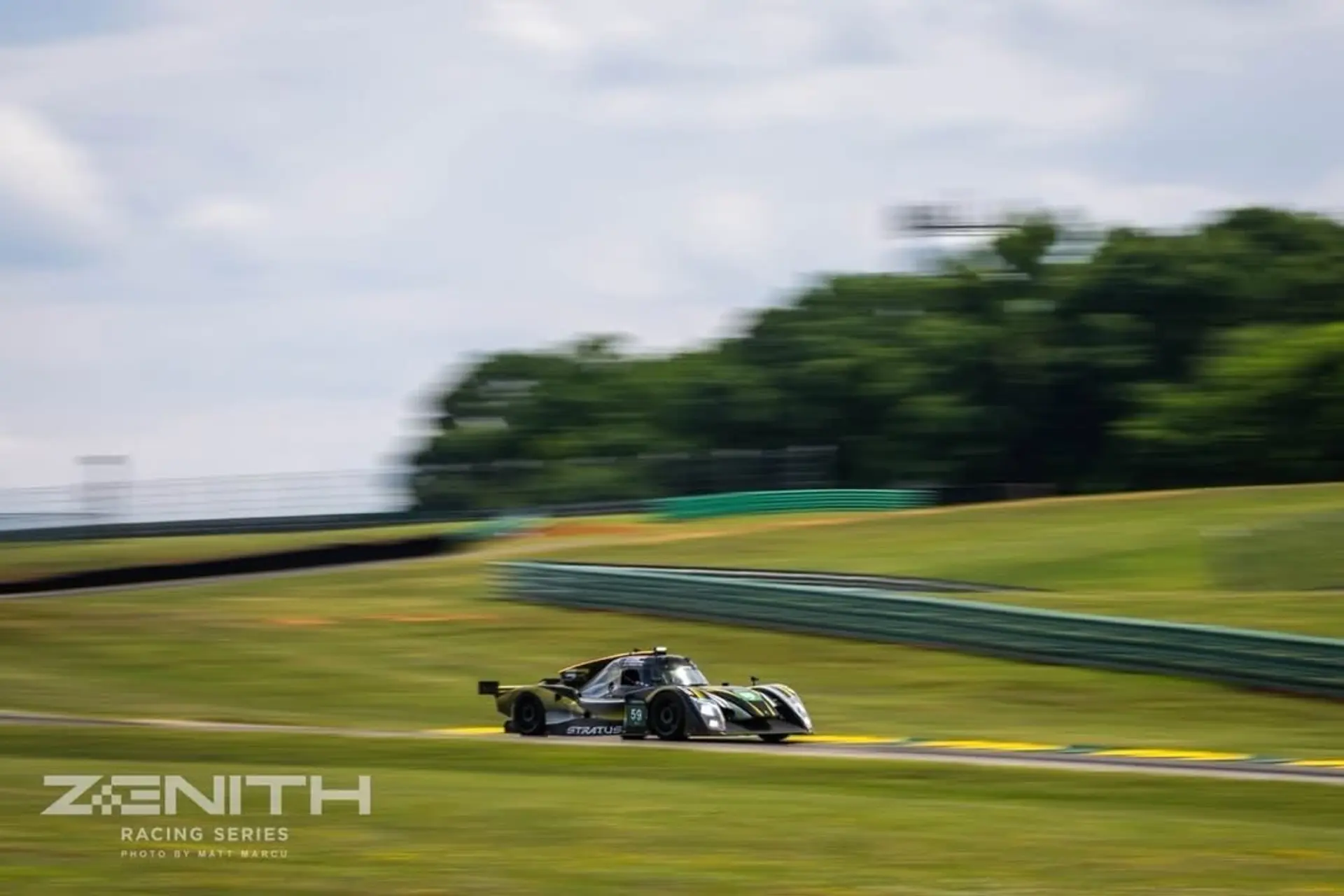
What’s your 12-hour race day routine?
My race day routine typically comprises getting the team set up in the morning, ensuring the cars and personnel are all on track and prepared for the challenge ahead. Afterwards, I live in pitlane over the next 12 hours, only leaving to drive the racecar or use the restroom.Time goes weird in a long stint. What do hours in the seat actually feel like? Faster, slower, gone?
The way time feels like it passes in a racecar purely depends on how bad I have to pee and how hot it is. I swear, the hotter the ambient, the slower time passes.A prototype spends the race carving through slower traffic. What’s that like from the cockpit, and how much of a long race does it decide?
Traffic management is mission critical to performance. Overall pace in clear air is nearly useless, as we have so much traffic that we hardly get any clear laps. Now, generally, the faster you can run in clear air, the faster you should be in traffic. Obviously, there is a different skill set for managing traffic, but that’s part of what builds a top-tier endurance multi-class driver.Any specific moments where multiclass traffic nearly cost you the race?
Multiclass traffic has absolutely altered race outcomes. Anything from near-misses and high closing rates lead to some occasionally sketchy moments. We have had slight side-to-side contact while leading overall turn into suspension failures before. None of that feels good, and it shows how important perfection is when you’re competing for 7+ hours in Zenith.Endurance is one of the only kinds of racing that asks you to share your car. What’s it like handing it off, and trusting what you get back?
Having a good connection with your teammates makes sharing a car easy. We are all honest and proactive with each other. Any time one of us has an off track or thinks something may not be normal with the car, we inform the team to inform the other drivers. That way we have no surprises when we get in the car next. We are fully prepared for whatever is headed our way.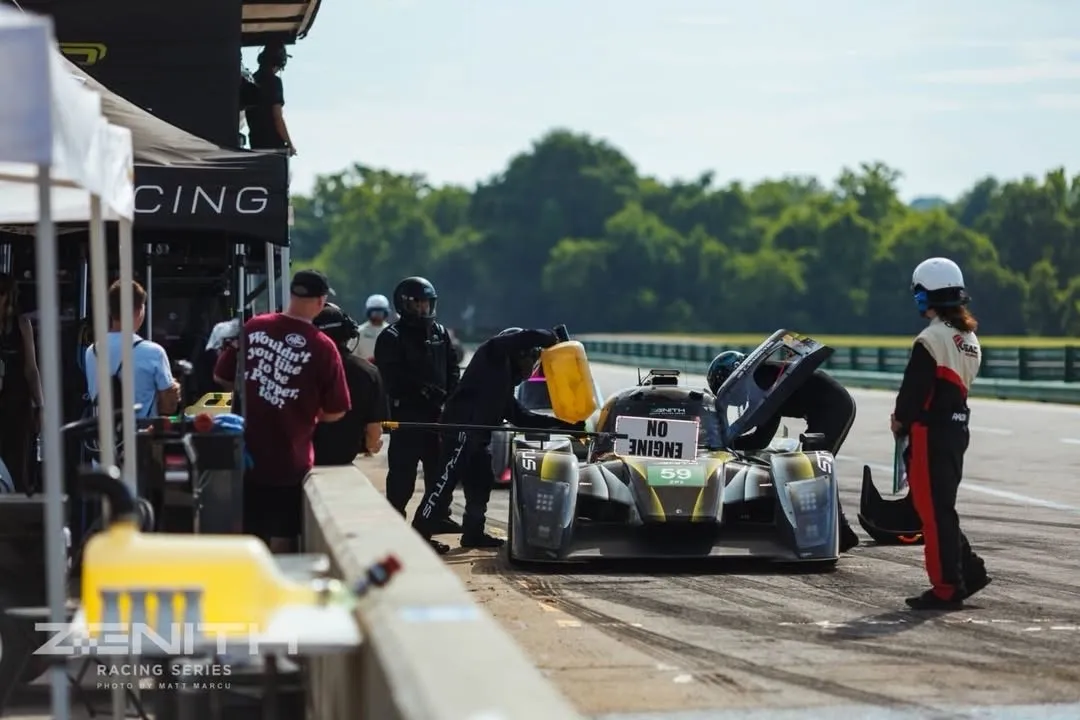
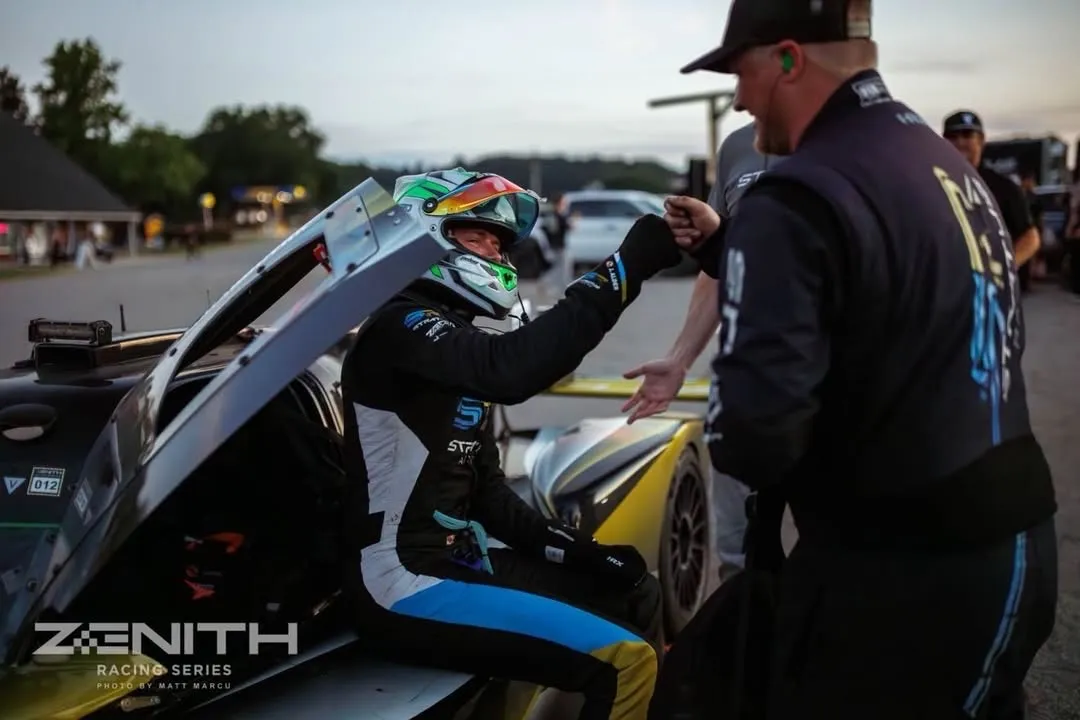
It’s one thing to run up front, it’s another battle converting those to wins. What’s your key?
The key to converting front-of-the-pack battles to wins is keeping your cool. It’s so easy to get flustered and feel the pressure, but if you treat hour 11 like hour 2, the wins come. Minimize mistakes, don’t let the pressure get to you.Every driver has a pass they replay in their head. What’s the one you keep coming back to?
The pass I replay in my head isn’t really a pass, more of a defensive move. It takes me back to my F4 days. It was my first race weekend in open wheel. We were at Road Atlanta, and upon entering 10A, the two cars behind had some strong tow and popped to either side of me. We were three wide fighting for P2 with myself in the middle. I mentally committed to forgetting about the normal braking markers and decided I wouldn’t hit the brakes until they both hit the brakes. We all made it stick, and I managed to out-brake both of the other cars, allowing me to hold onto the P2 spot.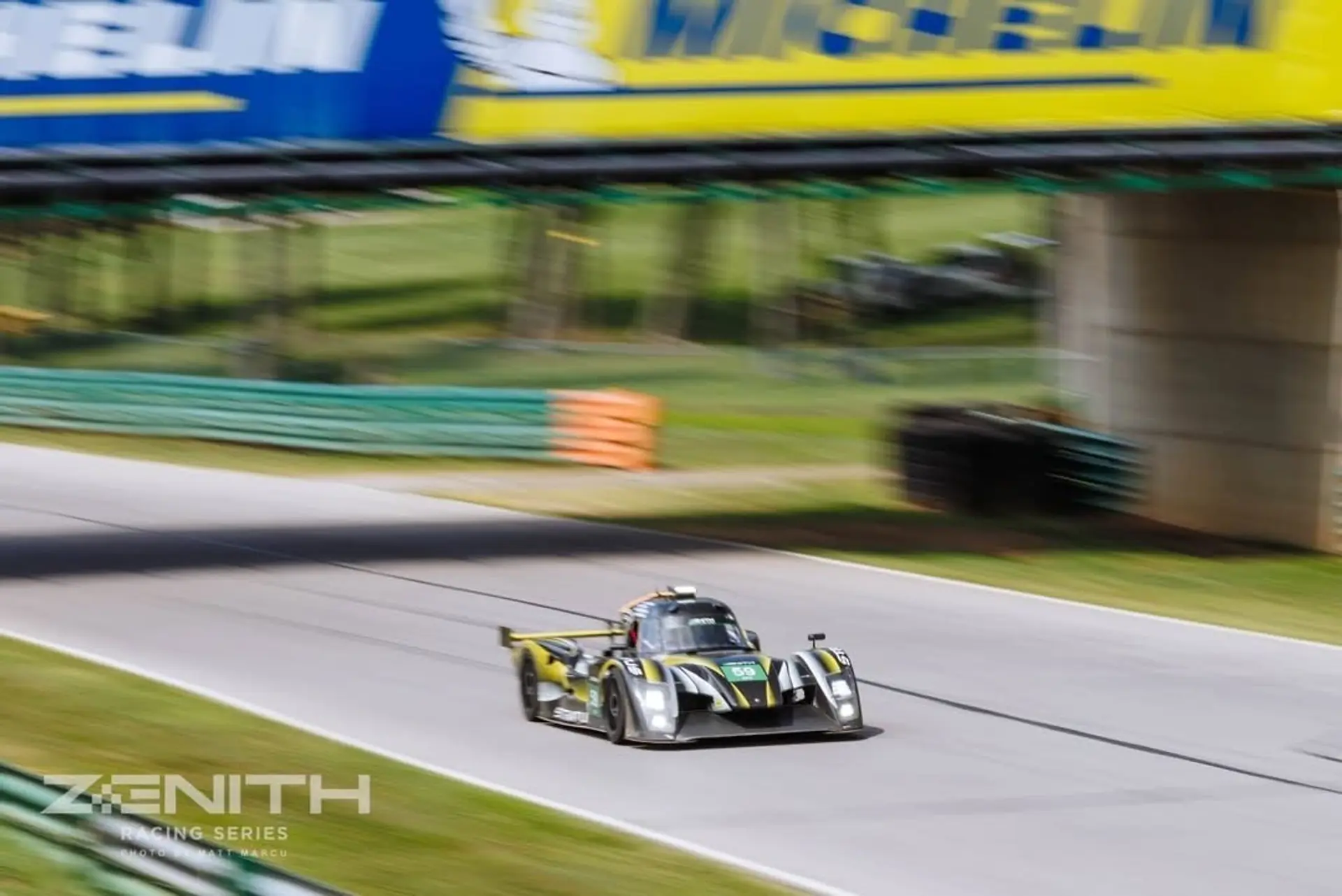
What’s the part of endurance racing that keeps pulling you back?
The team aspect of endurance racing is what keeps all of us at Stratus Racing coming back. We are a team, through and through. As a driver, it’s not my car, it’s our car. And not just for us drivers, but extended to the team as well. Just as much, we share the wins, the losses, the good days and the bad. We are one team.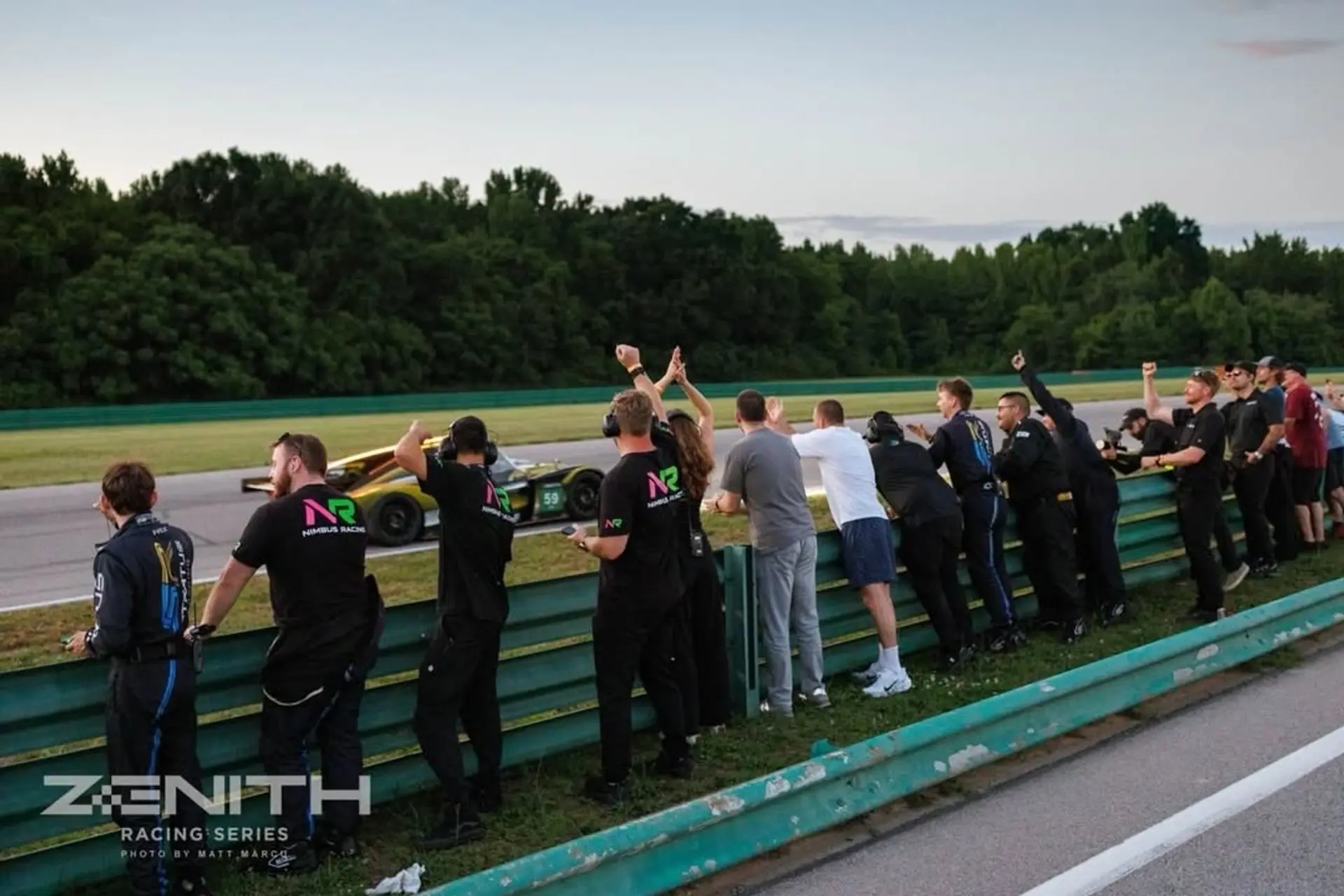
You’ve won four of Zenith’s first five races this season. Where do you want to go from here?
Zenith has everything we are looking for as a team and as a driver. I think the only place to go from here is the ZP1 class when it comes out. The on- and off-track experience is fantastic and enjoyable across the board for the entirety of our team.What about the ZP1 class are you looking forward to the most?
The speed! I don’t know exactly how fast the class will go, but the thought of us in the Sebeco Veloxes shaking it up with LMP3s and Revolutions is too exciting!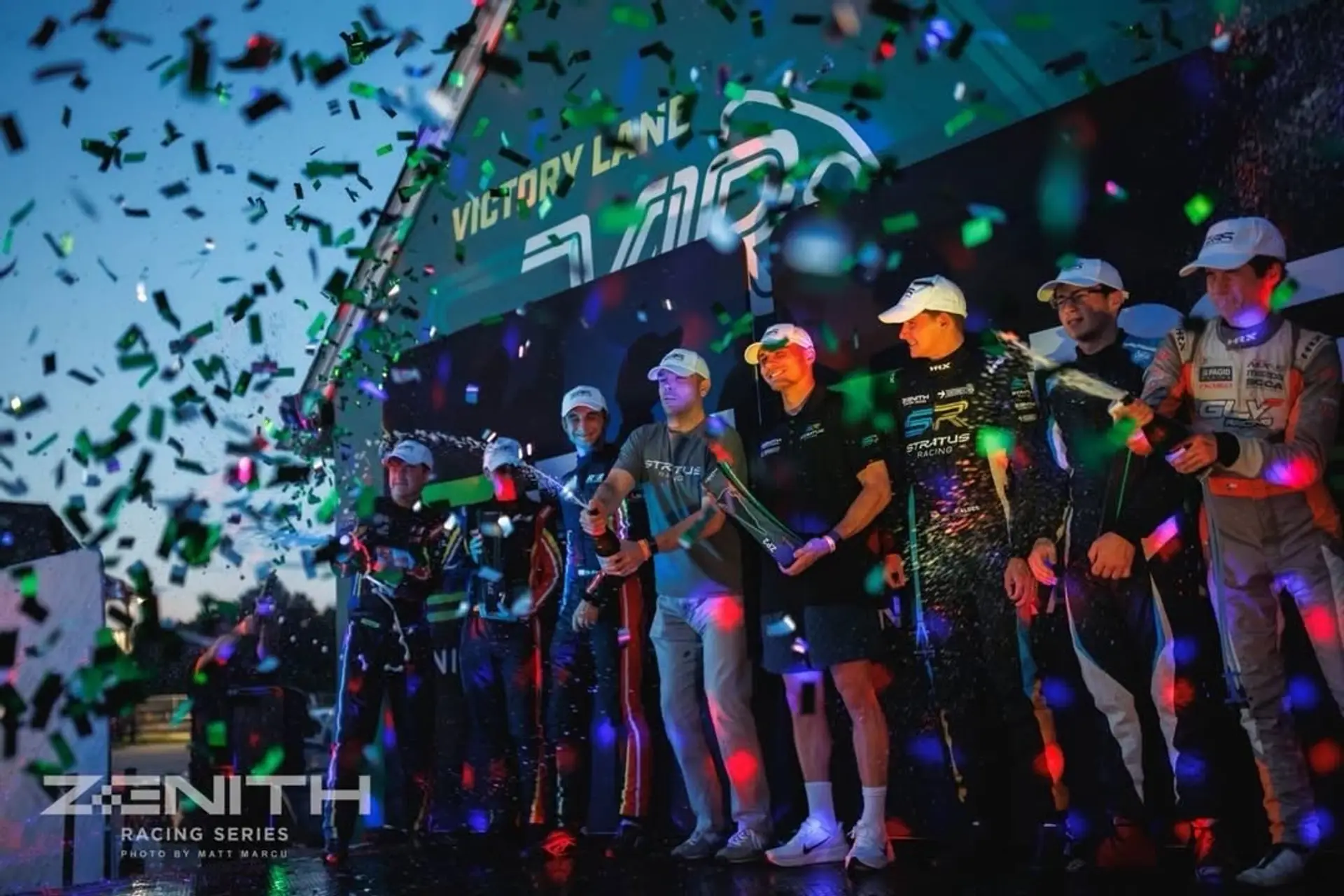
Away from the cockpit, Alder and his family raise money for diabetes research through Drive for Diabetes Awareness, the nonprofit they back after his older sister Jessica was diagnosed with Type 1 diabetes as a toddler. By their own reckoning they have raised more than $275,000 since.