Chasing the same dream.
He raced motorcycles as a kid, walked away for a decade, then a friend's sim pulled him back. Randy Kinne on his race-day routine, and the difference between chasing risk and surviving it.
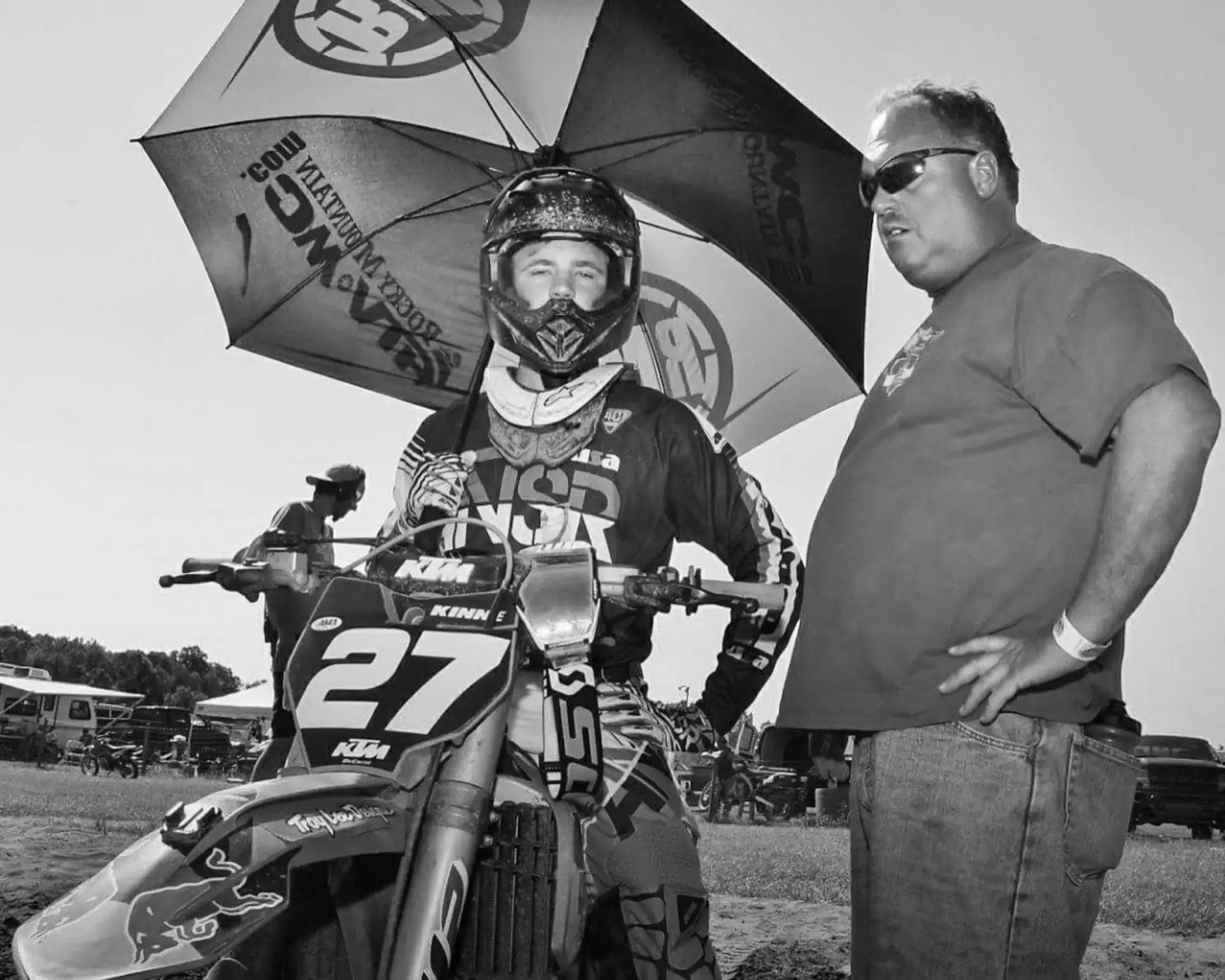
Randy Kinne was born to go fast. His father raced motocross as a teenager through the early 70s in Michigan, and even after he hung up the boots, he never left the sport of racing. Randy’s family spent every weekend growing up at a track somewhere, either in the stands watching the local oval track or racing on two wheels in the dirt. “The track becomes your second home,” he says. “You’re just always around it and it becomes normal. If it looks fun and it’s what you see on a daily basis, then, of course, you want to do that.” Randy was on a motocross bike at four, and he spent fourteen years racing motorcycles.
The chase-your-passions thing isn’t theoretical for him. After a 10-year break from motorsports, he started sim racing in his apartment last year, and that was all it took to get drawn back in. He attended Primal Racing Academy in Atlanta, Georgia, where he earned his SCCA Full Competition license. He’s since raced in the ChampCar Endurance Series, World Racing League, and now the Zenith Racing Series, where one of the newest drivers on the grid went into the 12 hour race at VIR sharing third in the ZP2 drivers’ championship with his co-drivers Carter Pease and Brad McCall. He’s hard to catch, but we asked him what a race-weekend morning actually looks like from inside the helmet, and how he decides where to take the risk and where to back off.
The Debrief
The basics - where you’re from, what series you run, the cars.
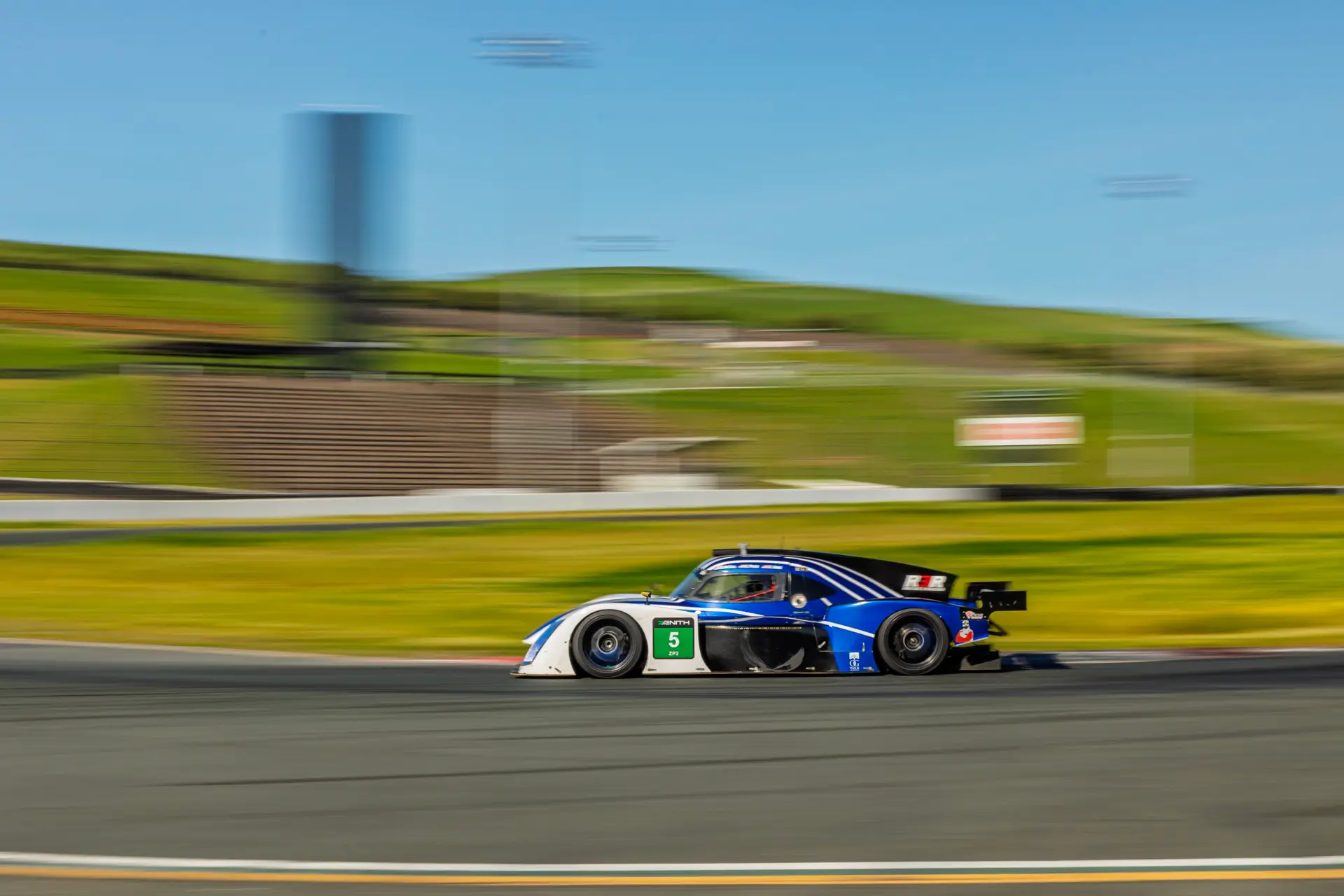
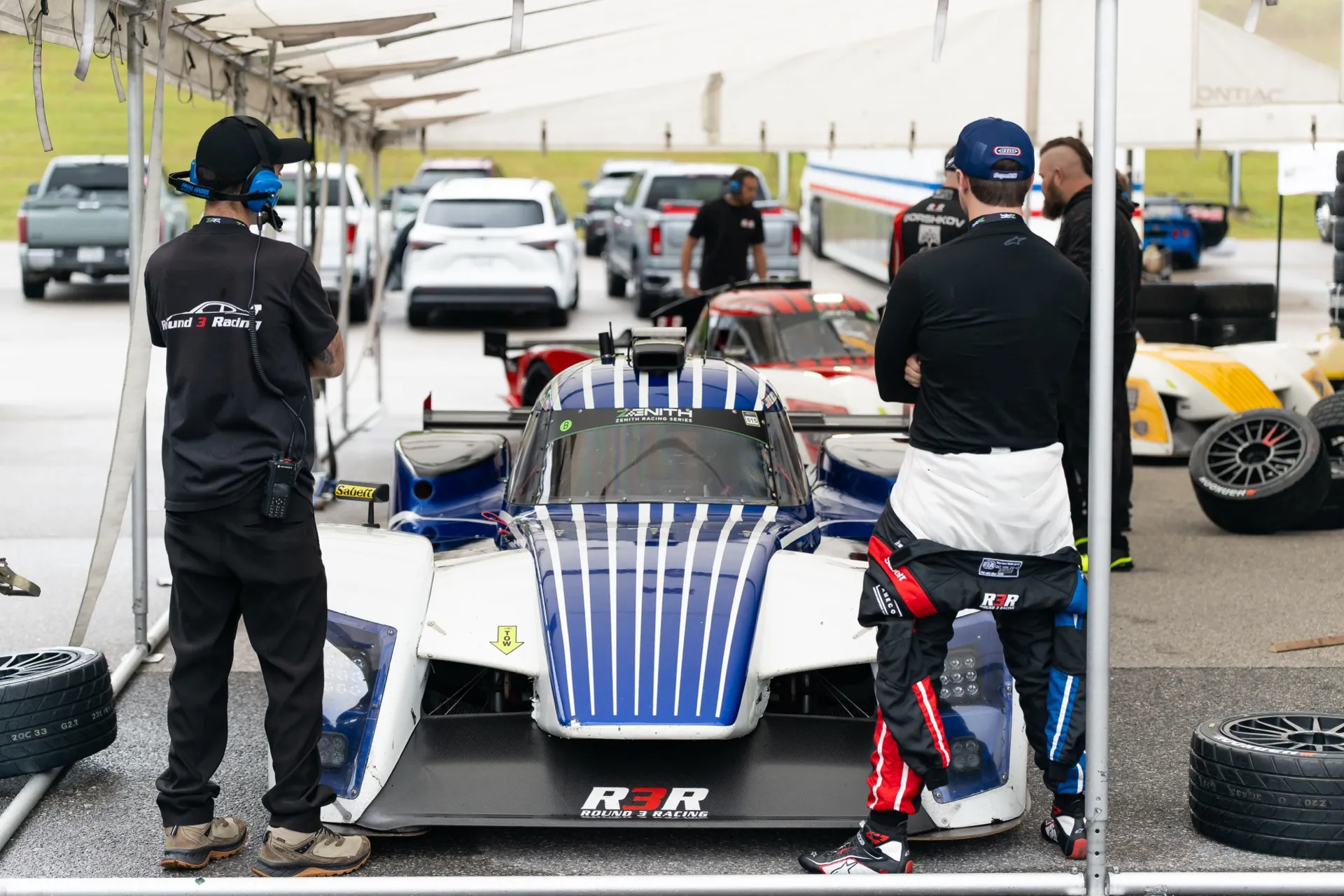
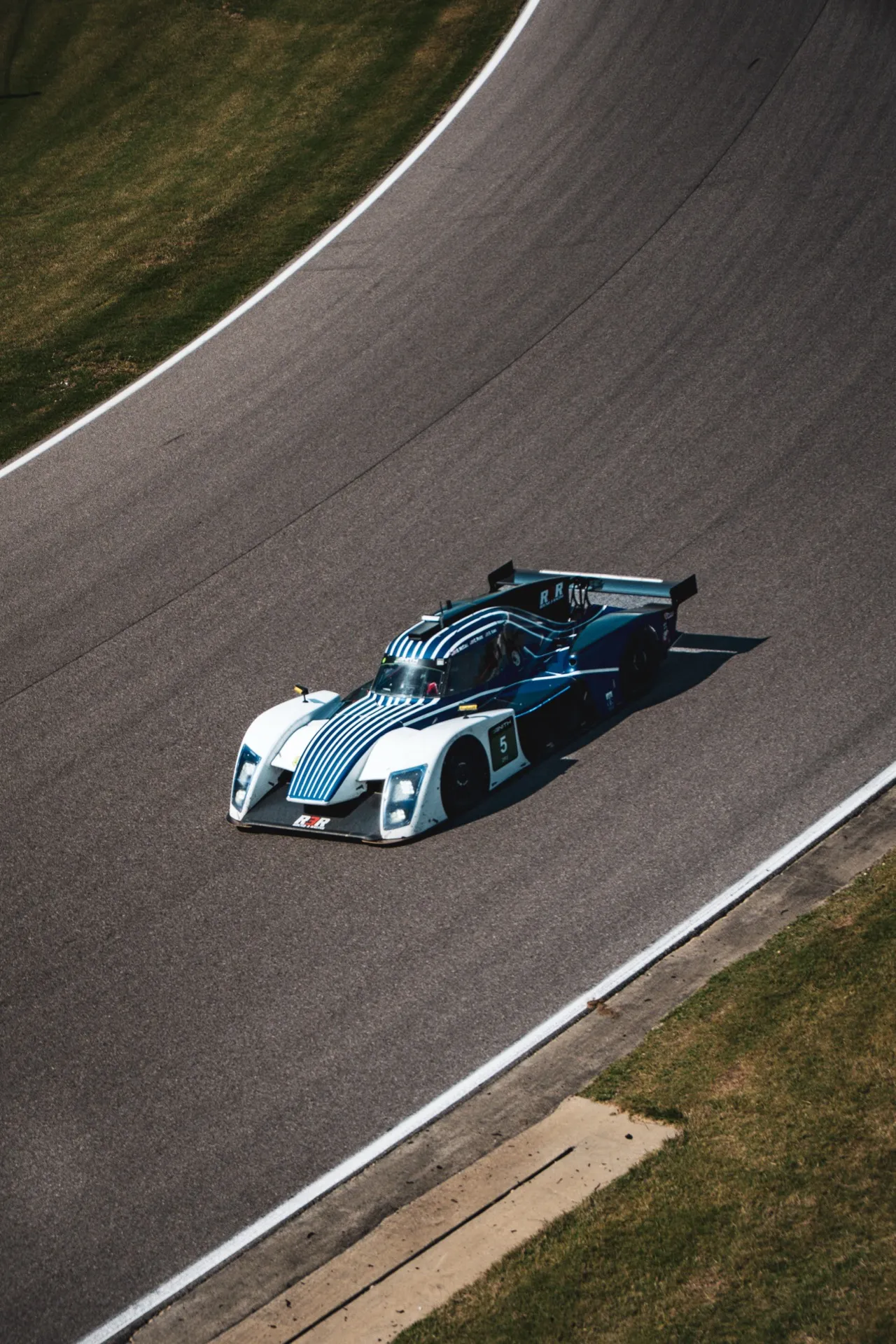
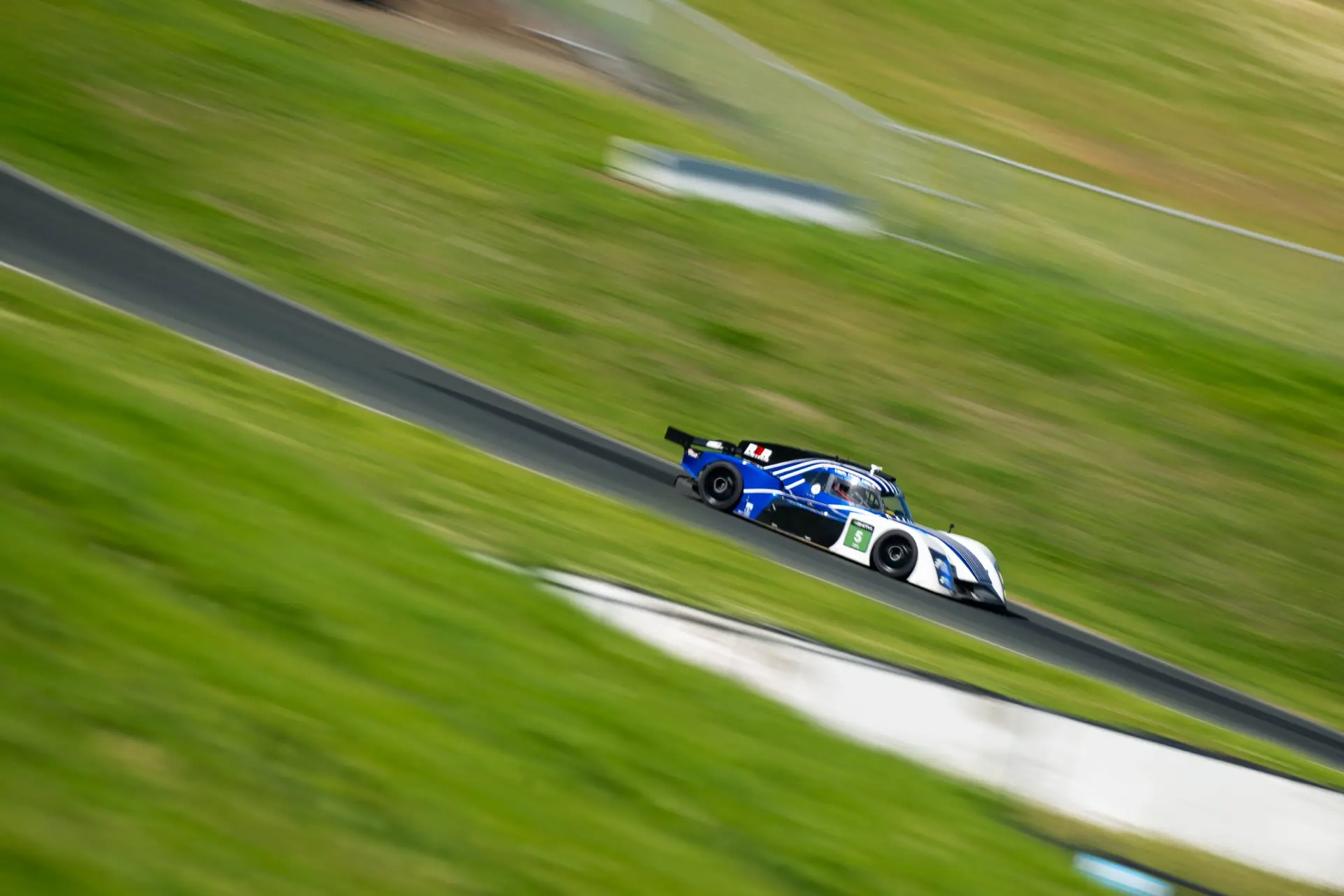
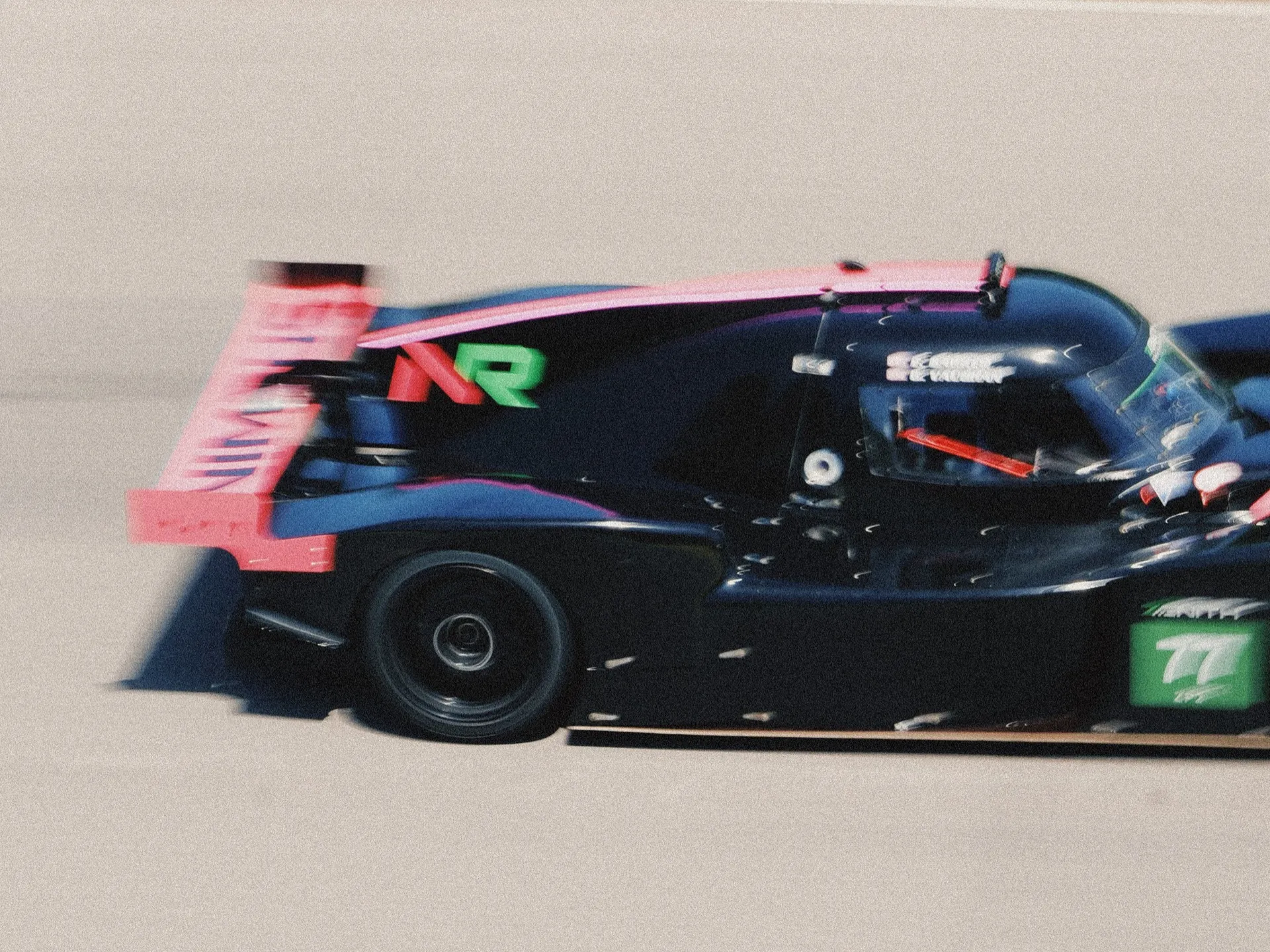
I’m from Michigan originally, but I live down in Georgia now. I’m running the Zenith Race Series in Round 3 Racing’s Blue #5 Sebeco NP01-EVO endurance prototype. I raced motocross as a kid, took a long break from motorsports to grind on my career, and once that was in a good place I found my way back to it via cars.How’d you end up in an NP01? What was the first car, the first series, the moment you knew this was it?
My dad raced motocross back in the 70s, so naturally my brother and I were practically raised on a motorcycle. We spent every weekend at the motocross track, or watching car races at the local oval track. Growing up as a kid watching oval-track racing, you kind of look at the drivers in fire suits as these larger-than-life heroes. Twenty years later I’m the one behind the wheel. It’s funny how life works. If you’d told 7 year old me that I’d be lining up against IndyCar, F4, and F3 drivers in a prototype 20 years from now, that kid would’ve lost his mind. The moment I was hooked must have happened back then, because motorsports has always felt like part of my life. My dad would get out of work on Friday, we’d load the bikes into the truck, and head to the track for the weekend. The track becomes your second home. At some point, you’re just always around it and it becomes normal. If it looks fun and it’s what you see on a daily basis, then, of course, you want to do that. The problem is that unless you make it to the professional ranks, it doesn’t really pay the bills, so I had to give it up. The part of me that loved it never really went away, though. Even when I put it down for 10 years, I had massive nostalgia when I go back into it.I fell back into it again after driving a buddy’s racing simulator one night. It was all downhill from there. I got my own, and eventually started looking into how to race in real life. That’s when I found Primal Racing Academy at Atlanta Motorsports Park. Tyler and Kenny and all those guys there helped me learn a lot about prototype driving. A month later, I found Mike Gorman from Open Throttle Racing on facebook and he had an open seat in a 24 hour race at VIR. I didn’t really know what I was getting myself into, because 24 hours sounds way better on paper than it does when you’re there, the car’s been driving around since you woke up, and it’s now midnight and the race isn’t even halfway done. It ended up going way better than I expected, and all the motorsports foundation I had growing up just carried over like I hadn’t taken all those years off.
Ultimately that race was a blast in the moment but I was fully spent afterwards. Then I had a 7 hour drive back home once it was over, I probably wouldn’t do that again haha. It was a great memory but I’d do it totally differently now. My favorite memory from it was my night stint, because there’s literally no lights at VIR. It was surreal not being able to see the corner until you’re basically on top of it. You’re just guessing where the track goes and then when you get there, hoping that you guessed right. I ended up setting my fastest laps of that weekend at night. The memory of doing 140 down the back stretch there at 1am with just my headlights to light the way and the fog starting to roll in is going to stick with me forever.
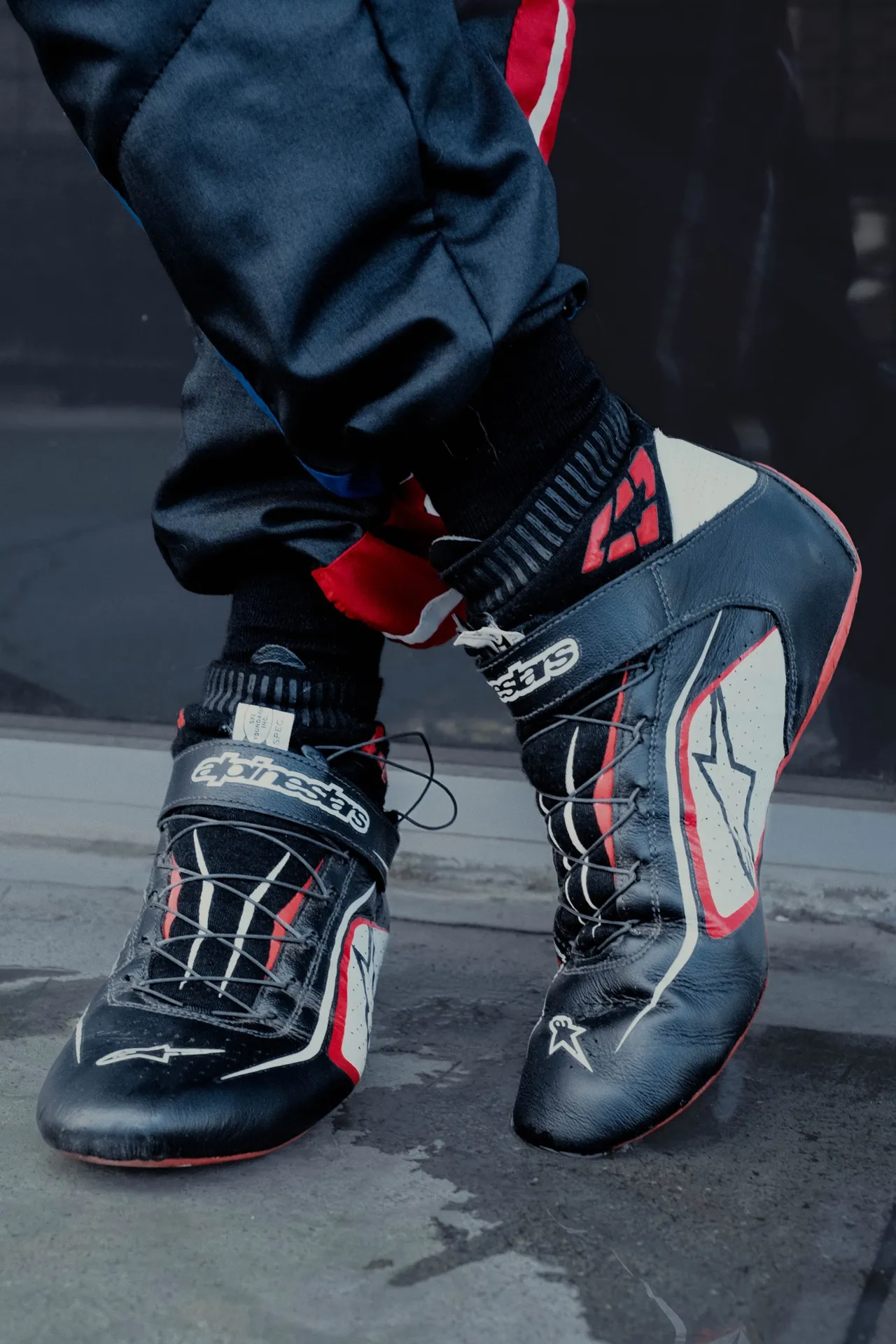
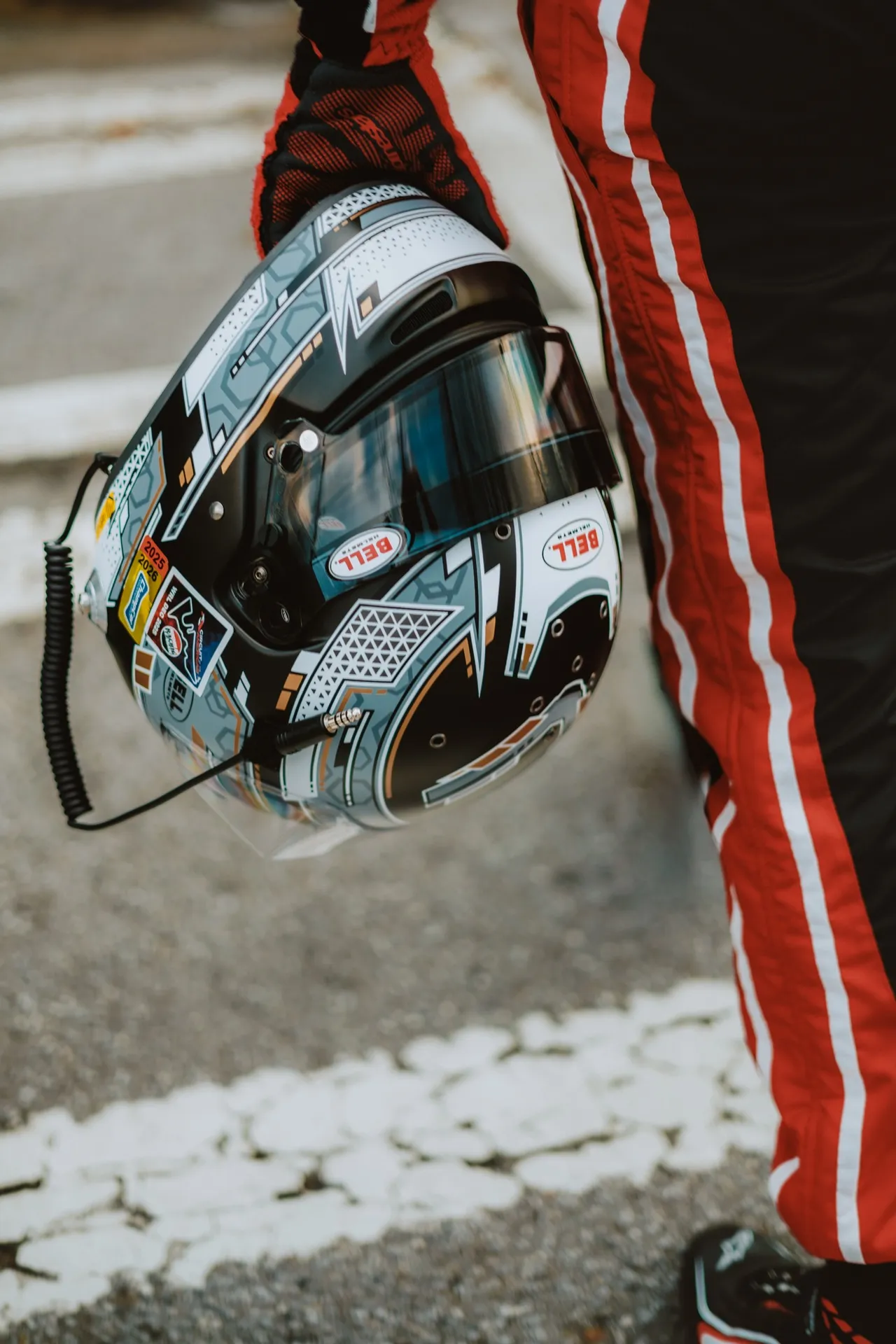
Much later that year and some more podiums in very amateur endurance racing later, Mike introduced me to Brad McCall and the rest of the Round 3 Racing team at the WRL National Championship race at Circuit of the Americas. My first time driving the Sebeco NP-01 was a few months later in Sonoma. They’re loud, quick, and fun as hell to drive. I’m always learning something new about how to drive them better, and learning from my teammates in our other cars. For VIR, we made some steering changes that I really liked and felt more comfortable with, because now I feel like I can trust what it’s telling me. And my dad finally got to see me race, which was really cool. The next round at Road America is one I’ve been looking forward to all year — it’s one of my favorite tracks I’ve been able to drive, I love the layout and had good pace there in the past.
Time does strange things in a long stint. What do those hours in the seat actually feel like: faster, slower, gone?
It’s definitely a strange feeling, there’s no other word to describe it. The moments you have to react quickly or catch a slide happen pretty quick, but a two or a three hour stint feels like it lasts for 3 days. So you fall into this rhythm where everything feels slow until something crazy happens, and then it’s like someone hit fast forward. It’s one of the most surreal feelings I’ve had. I also like the challenge of how long the races are, because you can’t just drive the wheels off the car. You have to really manage yourself and make smart decisions. All it takes is one moment or bad decision, maybe a tire 6 inches too far in the wrong place, and everything can come apart.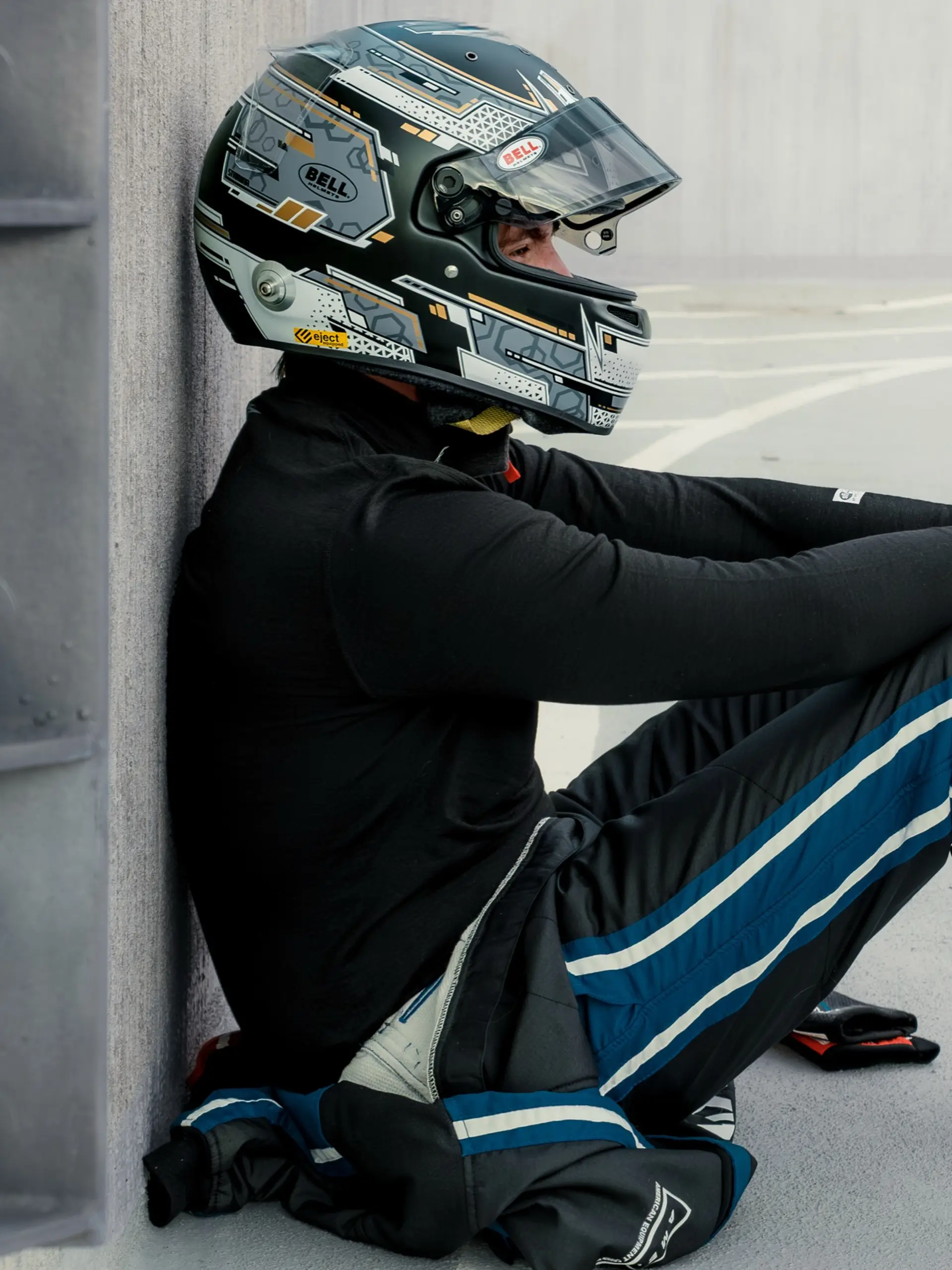
What was the transition from two wheels to four like? Where does sim racing sit for you?
Racing motorcycles from a kid all the way until I was 18 helped a ton with the transition to cars. You already know weight transfer, line choice, setting up a pass, things like that, and you know how to read how much space you have around you. At Sonoma during round 1 of Zenith, there was a slower car that looked like it was gonna miss the corner, so I was patient instead of trying to go around them. Half a second later, they missed the corner and flew off the track. Those instincts have saved me more times than I can count. It just teaches you how to make very rational choices very quickly from a young age. The other thing that helped was sim racing. I’ve crashed a trillion dollars worth of cars in the simulator. Zero in real life. That’s gotta say something. Sim racing lets you experiment and fail so many different ways, all in a short period of time and much cheaper than in real life. What the sim doesn’t teach you is the physical half - the heat, the G-forces, the way you’re always lowkey wondering if something is on fire or not. It’s a whole experience. It also keeps getting harder and harder to keep your head where you can actually see the next corner, and you start hoping that your foot is still in the right spot to hit the brake.The mental side of it is rough too. You have to mentally convince yourself that you can take the corner faster despite every survival instinct telling you otherwise. With the downforce cars, by taking a corner at 100mph instead of 110mph, you lose hundreds of pounds of downforce, and then you have even less grip, and the problems just compound. So you’re really trying to find that thin line where you can keep pushing the minimum corner speed up, but also where you can do it consistently over and over for hours. No matter how many times I keep doing it, it still takes a lot of convincing myself that when I enter the corner at 130 again, that everything is still going to go the way I hope it does. You don’t really get that feeling in a simulator.
Every driver has a pass they replay in their head. What’s the one you keep coming back to?
If there’s a pass I like remembering most, it was Road Atlanta in ChampCar this past February. I was the starting driver, so I had the job of starting the race 50 cars back in a field of 70 or 80 cars total, so going in, the plan was that it was supposed to be chaotic and just figure it out from there. It was lap one of a 14 hour race, so you generally want to be extra careful. At Road Atlanta, you’re basically driving 10 stories down a hill straight towards a wall and then at the last second you turn right. I saw a gap on the outside, took it, made the pass clean with only a foot to spare at 100mph. When I got out of the car all my friends could say was: dude, that was crazy. It was maybe a bit riskier than you’d want for turn 1 of a 14 hour race haha, but it seemed better than slamming on the brakes in front of 20 cars behind me.I know it sounds crazy, but my favorite moments are all the tiny moments where you could’ve taken a risk but decided not to, or moments where you knew you could pull it off and it worked out. Knowing exactly where you can take a risk, knowing when to back off to survive for the next one — and getting it right — is the most rewarding part of all of it. Because the dangerous side of motorsports is always there, and everyone who’s lived around it long enough has seen that side of it first hand. There’s real risk on the line, it’s not like a video game. If you take a risk and get it wrong, you can get seriously injured and destroy a $120,000 car. The stakes being so high make it really rewarding to get it right.
What’s your 12-hour race day routine?
Sleep is one of my favorite hobbies, so I try to sleep as long as I can. At home, my dog Atlas usually attacks me as soon as I wake up, so on race days when I’m away at some hotel, I love sleeping in until the last minute. Most weekends I’m the guy half-jogging to the drivers’ meeting with a coffee in hand. Coffee’s probably the biggest part of my overall routine, both at the track and at home. I got into it during COVID out of boredom. At home I’ve got a full espresso machine. My apartment could pass for a mid-sized coffee shop on a slow morning. At the track, though, I’ll drink whatever’s hot in the trailer and don’t think about it.Then it’s getting suited up. It’s like a mindset switch, because once you’re suited up you’re not thinking about anything else, you’re focused on only the job in front of you. By the time I’m jumping into the car, I’ve already rehearsed it completely in my head a few times. I got that from motorcycle racing as well, and hockey in college. It just makes everything smoother when you’re actually in the moment, because you feel like you’ve been there before. Then there’s all the little stuff, eating light, hydrating really well, and knowing your schedule of where you need to be and when.
Then I have my race stints, and I try to know my role: Consistent laps, keep the car on track and avoid damage, and return it to the next guy in mostly the same condition I got it. The thing about endurance racing is it’s so much luck, you could be down a bunch of laps and the leader’s car has a mechanical with 30 minutes to go, or maybe another team tried to push it on fuel and ran out. Or you could be in a really good position and have something fail late in the race, like we had in Sonoma and at Barber. So I’m absolutely not giving up on race day. Once the race is over though, I’m ready for bed. I’ll hang out in the garage with the guys tearing the car down after the race and with our other drivers, and we might review some telemetry or go over video to always be learning and improving, but honestly the whole time after the race I’m already thinking about bed.
Do you miss racing motorcycles?
Yeah, I miss them all the time, but I had a bad concussion riding one a long time ago that made me rethink everything. I couldn’t do anything physical or operate vehicles for a month without getting a headache. I had to stay off social media and screens, couldn’t exercise, couldn’t read, and I couldn’t do any of the things I love. I was so bored, I’d go sit in the grass outside just to pass the time. It was brutal. Up until that point I’d been treating my own body as disposable, and I stopped. Once I started feeling better, I took helmet safety much more seriously. Since then I’ve always been a Bell guy and I trust them with my life. I never set out to be a collector, but I’m pretty sure I could fill a closet full of helmets now.I still ride motorcycles though, cause it’s still fun but without the intensity and risk you take when you’re racing. More of a chill Sunday cruise kind of thing. I’ll go get lost, find a coffee shop somewhere for a few hours, and then try to find my way back without google maps. It’s super peaceful. I’ve got a 2014 Triumph Bonneville with an exhaust that sounds incredible and a 2017 KTM 250SXF that sits in a garage somewhere in Michigan. The other side of it is I’m a hopeless romantic. There’s nothing sexier than a good sounding motorcycle, they’re just so classic and cool. But it’s dangerous to live in the past. Like Ross Bentley says, you can’t go back and fix a missed apex, you just have to take what it taught you and spend it on the next corner.

You’re 27, and the rest of the grid is either much younger or much older. Where do you want to go from here?
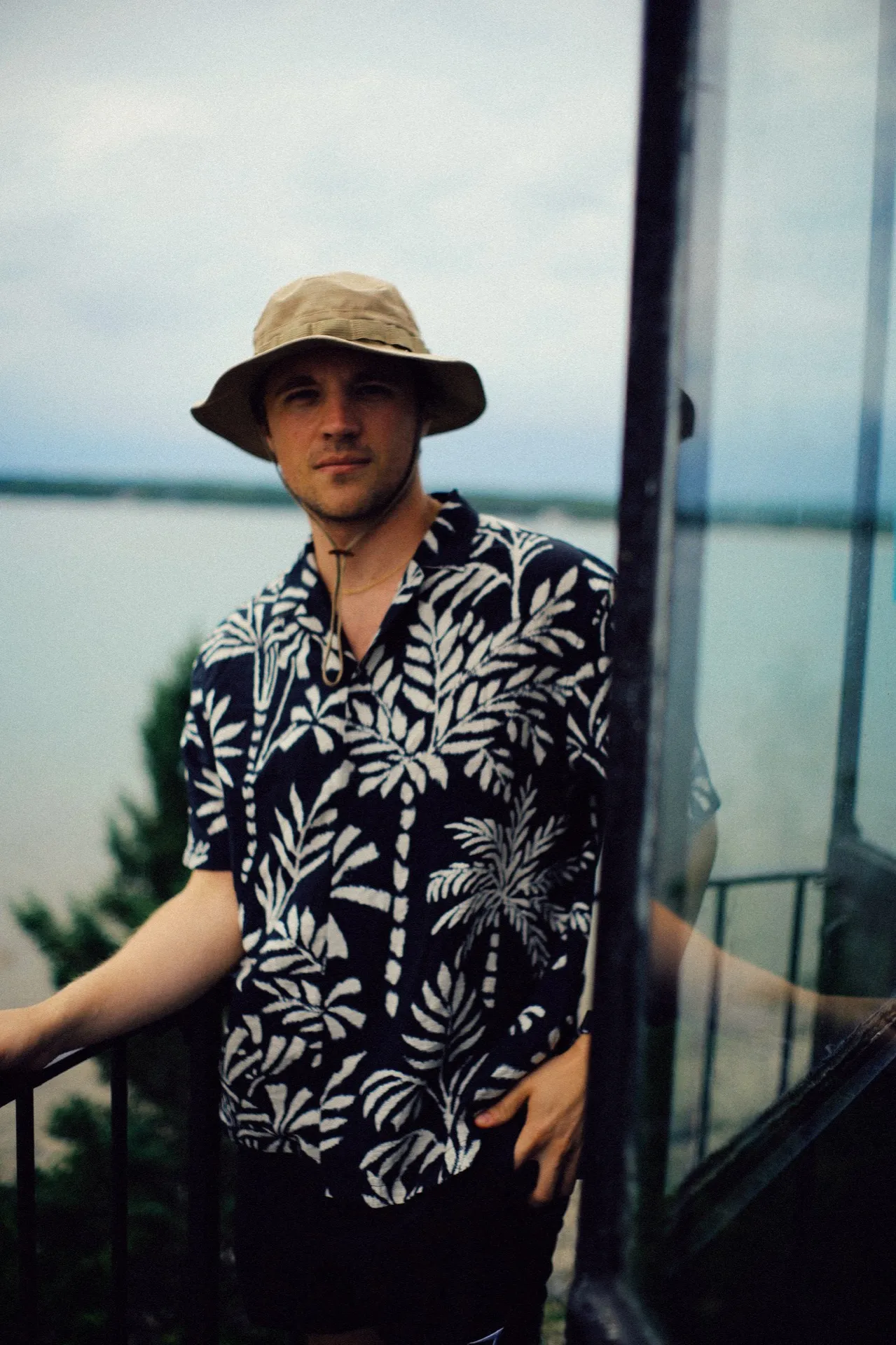
I don’t think I’m making it to F1 if that’s what you’re asking haha. I’m 27 now, just at the inflection point. I’m at the age where life naturally draws you to other priorities. My friends are getting married, having kids, and buying houses. I can’t wait for that part to be honest, but right now my life seems to be doing the opposite and I know if my situation was different, there’s no way I’d have been able to do this season. It’s been the craziest story I’ll be able to tell my grandkids one day, I’ll tell you that. But right now, I’m just focused on the next race. So I guess the real answer is I don’t know. I believe in the latin phrase memento mori, remember you must die. You never know when the last moment of anything might be, so I’m just gonna enjoy every moment of being able to do this while I can.I still have a lot left to learn from this year. I’m always trying to learn from the guys in our #4 car, we sim race every week to practice. And I’m always learning from my co-driver Carter Pease, he’s a hell of a driver. I always have to remind myself to not compare myself too much because most of the grid has been racing cars for a lot longer than me, and I’m still learning so much every race weekend. Comparing yourself to others is useless. So I’m trying to compare myself to my previous self, and by that measure I’ve made it pretty far.
Your lineage really instilled racing as a passion into you. What did it mean to have your dad back at one?
My dad was at every motocross race growing up, 26 weekends a year, all summer long for 15 years. He’s such a racing fan, and the most genuinely nice person ever. He always remembers everyone’s birthdays, I have no idea how. I’m pretty sure he was the Michigan Auto Racing Fan Club Fan of the Year a few times as well just for being the biggest fan ever. He absolutely loves racing. Whenever I call him, he’s always asking if I’d seen some race that happened recently. When I came back to it as an adult, he was retired and on the other side of the country, and we hadn’t been at the same track in a decade. Round 3 of Zenith at Virginia this year was the first time he got to see me behind the wheel in person. That meant so much to me. That feeling was bigger than the race that weekend. Obviously I’d always like to do well, it’s a race after all, but I don’t want to have to buy Brad and the rest of Round 3 Racing a new Sebeco NP-01 Evo because I had more ego than talent. We ended up 4th overall out of 30 or so cars so it went well enough.He doesn’t measure the season against anyone else’s, or worry much where it lands. “I’m trying to compare myself to my previous self, and by that measure I’ve made it pretty far,” he says. He calls it the most fun you can possibly have. And at VIR this year, for the first time, the father who spent his weekends taking him to the track got to watch him drive.
Driver debriefs, race dispatches, the story told from inside the helmet, by email.
How are you this fast already?
A year ago he was racing Spec Miatas on club weekends; now, at eighteen, he is tied for the lead of the top class of a pro-am endurance championship. Gavin Vaughan on the jump to a prototype, the calm he finds in a sim, and the 150 songs he's written between rounds.
Follow the season live
Standings, the weekend schedule, and the broadcast when a session is on track.