The quiet thing we don't talk about
What the long races are really about, somewhere past midnight, and the contract every driver signs without naming it.
There’s a stretch of every long race, somewhere past midnight. The grandstands have mostly gone home. The suites are dark. What’s left is a line of headlights dancing through the darkened circuit, brake discs glowing at the heavy corners, and engines that have been running since the day before and won’t stop until the day after.
That’s the part we’re here for.
A sprint asks who’s quickest. A long race asks a harder, more human question: who’s still running at the end? Le Mans, Daytona, Sebring, the Nürburgring’s twenty-four hours are all built around it. Quick is the easy part; most of the grid is quick. What sorts them out is holding a car together for twelve or twenty-four hours: the tires, the brakes, the gearbox, the driver’s own head.
And everything compounds. Clip a curb too hard in the second hour and you might not pay for it until a control arm lets go in the twentieth. What wins endurance races is a hundred boring decisions made right, over and over: tire pressures, fuel windows, a pit stop run the same way at noon and at four in the morning when nobody’s slept.
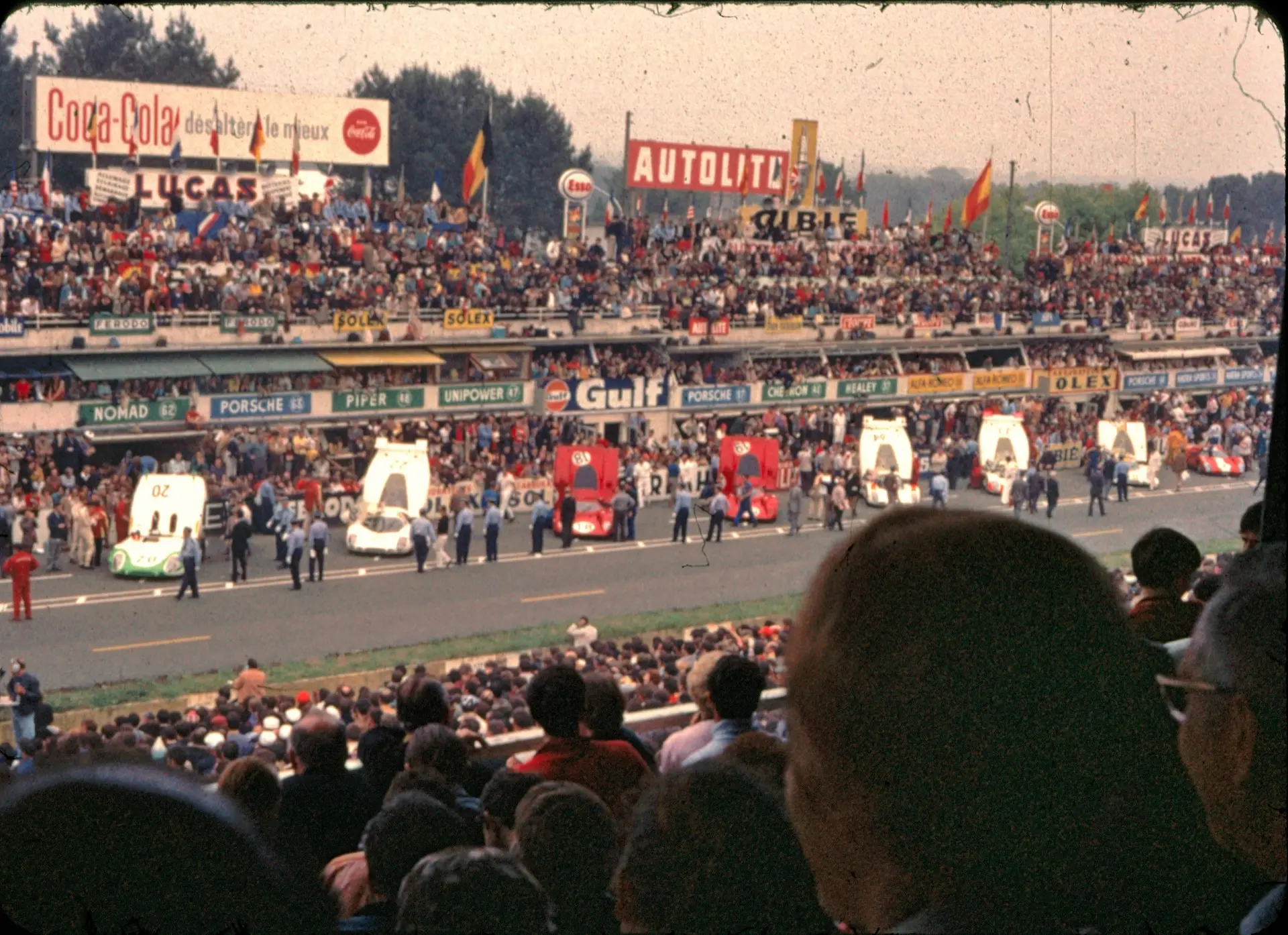
The car gets put through it too. Finishing Le Mans means a car has proven it can be both fast and durable. Racing has spent the last century with those two ideas at odds with one another. A car still able to drive at the end has settled that argument quietly, whatever place it came in.
Ask anyone who’s done it what stays with them afterward. It’s the dark, and then the light: the sky going grey and then orange behind the trees, the way the night plays tricks when you suddenly can’t see where the track goes, and the fog rolling through the circuit. The feeling of a car that ran all night coming back into daylight still humming along. People chase making it to sunrise harder than they chase any trophy, and they chase the trophy after.
That’s why it’s more human. It rewards patience over ego, and the crew as much as the driver, and it’s one of the few kinds of racing where a hundred small right decisions beat one big roll of the dice. Underneath all of the mechanical complexities and immense strategies, endurance racing settles down into one idea: some people and a machine, against the clock, for a lot longer than should be possible.
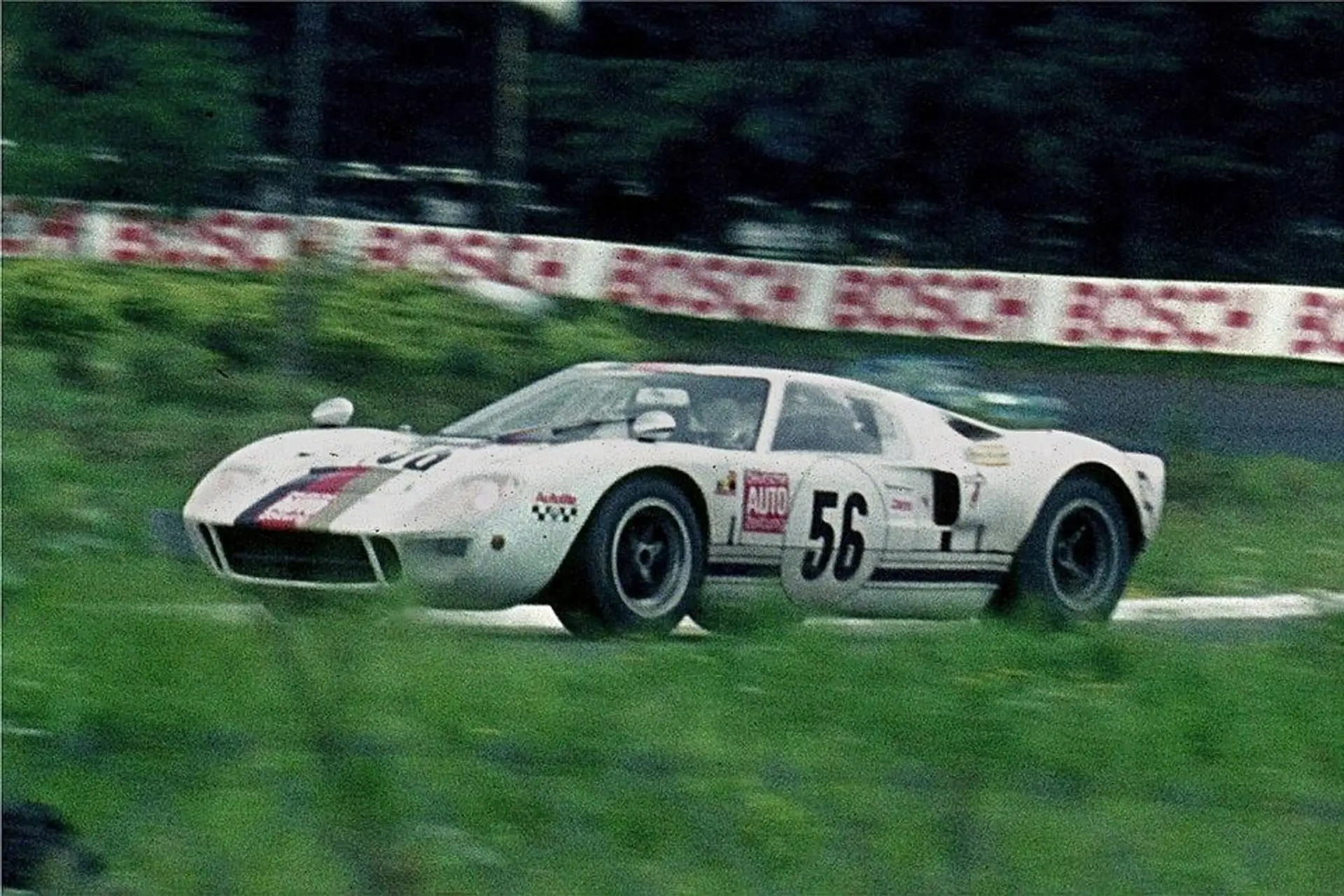
The contract
No driver signs the contract, but every one of them keeps it. It’s signed somewhere in the walk from the garage to the grid, in the last breath before the visor drops. The terms never change: I know what this can cost me, and I’m getting in anyway.
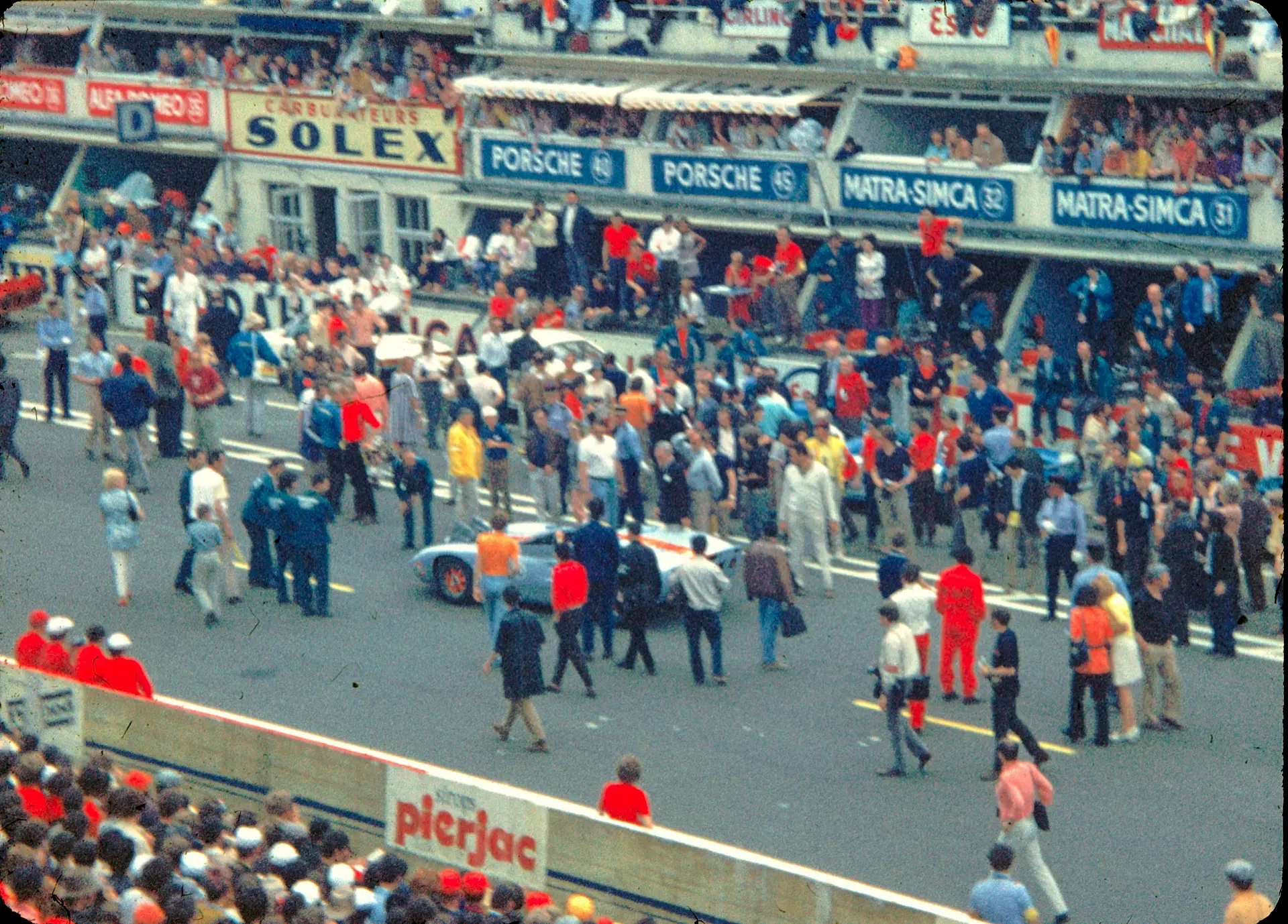
Racing has always lived nearer to that bargain than it likes to admit. For most of the last century it kept a quiet tally: the Mulsanne straight with no chicanes, Armco that went up too late or simply gave way, a fuel leak that found a spark. The drivers of that era lived inside the risk the way a sailor lives with the sea. They knew the names the circuits had taken. They went back out and drove the same corners faster.
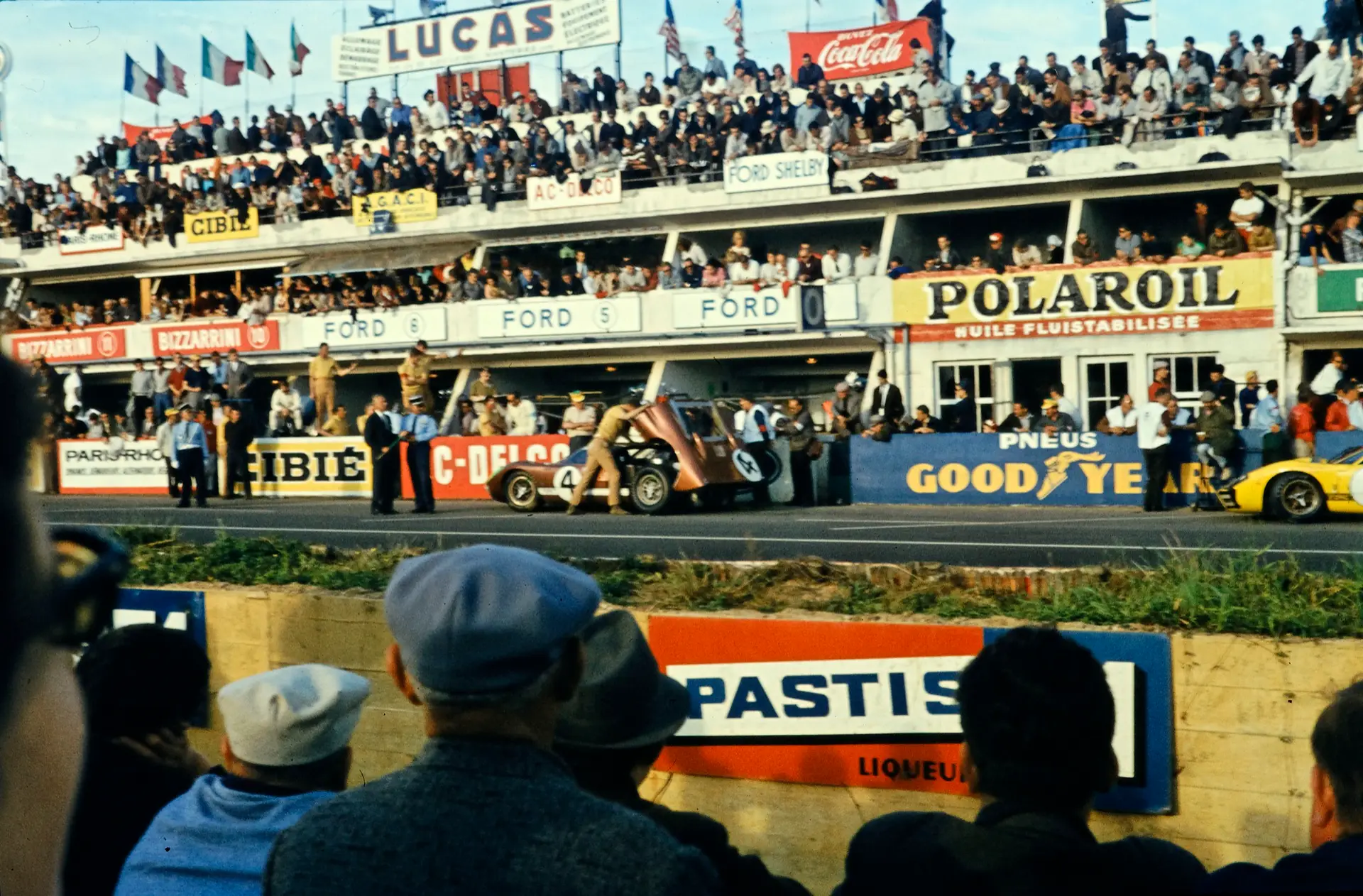
It’s worth saying most weren’t reckless. Recklessness is a different thing; a reckless driver doesn’t really grasp what he’s risking. The ones who take it on are the careful ones, the driver who knows exactly how the car behaves at the limit because he’s spent years finding out, which means he understands better than anyone in the grandstand what’s actually on the table. He runs the numbers and climbs in anyway. He knows what it can cost and he goes.
The modern era has spent decades rewriting those terms. Safer barriers. Stronger cockpits. A head-and-neck restraint that’s standard now where there used to be nothing at all. Survival cells that take hits which used to be fatal. The sport buries far fewer of its own than it once did, and the people who forced that change, the investigators and the engineers and the families who refused to let a death be the end of something drivers love, did the most important work anyone in racing has ever done. None of this magazine is nostalgia for when it was deadlier. Every name kept off the list of http://www.motorsportmemorial.org/ is a good thing.
So the contract is still there. Quieter now, and more honest, but there. No amount of carbon fiber takes the last of the risk out. A driver walking to the grid knows they’re doing something most people with their good sense wouldn’t, and they’ve made their peace with that. They’d rather do it in this life anyway.
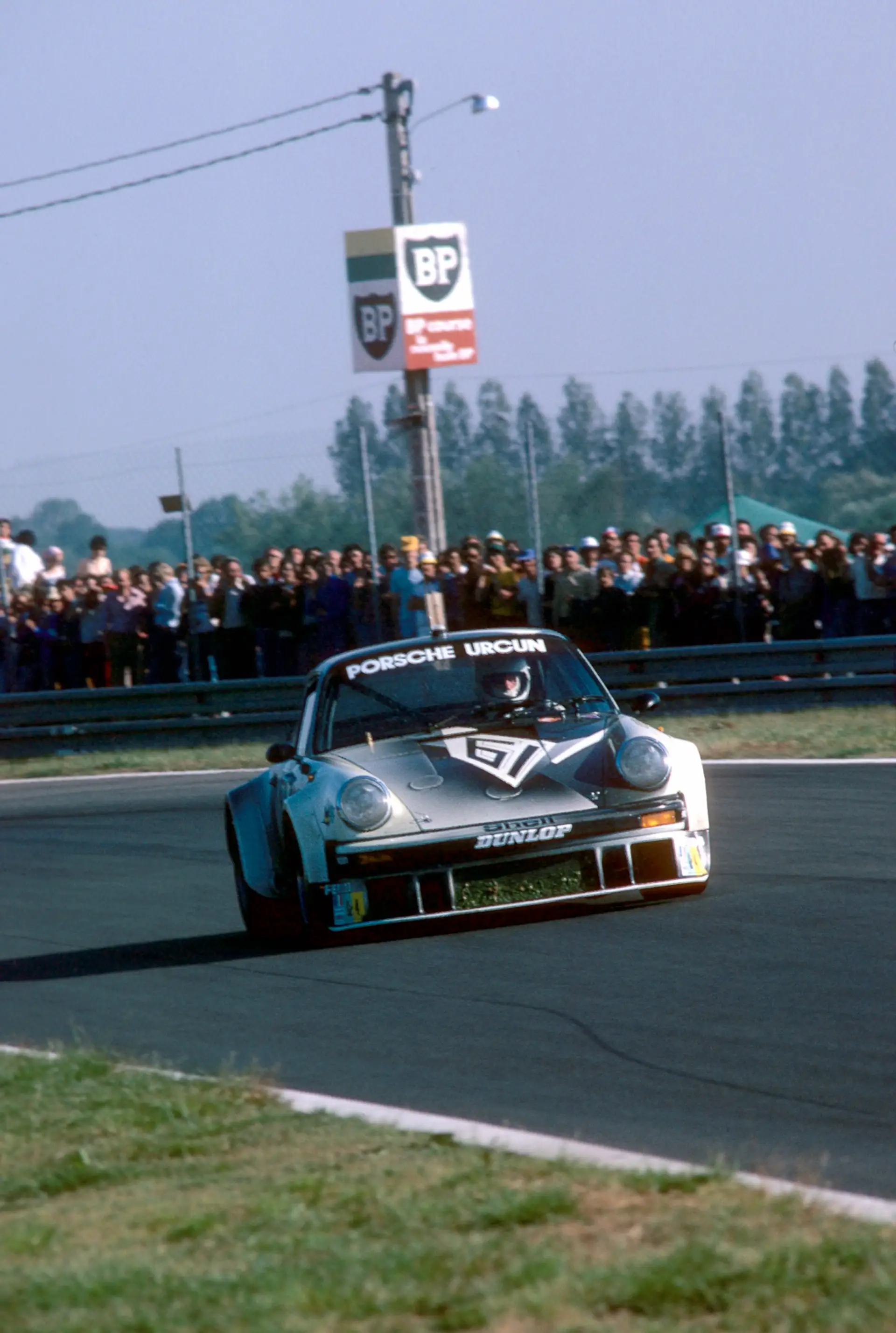
So they buckle themselves in, do the math one more time, and the visor comes down. By then the nerves have gone quiet, and what’s left looks a lot like calm: the face of someone who’s already had the hard conversation with themselves and come out the other side of it. The green flag flies. Lights out and away we go. For the next several hours, in the noise and the heat and the chaos, they’re somewhere in a dimension most of us never get to go. That’s what this magazine is about.
Why a magazine
Because the writing about all of this is almost always bad.
It’s bad in two different ways. The big-budget media write about the top of the sport as if the bottom does not exist, as if a paddock with eighty entries and twelve different chassis types is somehow less serious than a paddock with three factory teams and a press release. And the bottom of the sport, when it writes about itself, writes in a forum post.
Neither voice is the one in a driver’s head when they are sitting in the car waiting for the green flag. Nor the voice of when they’ve sacrificed something great just to show up to something they love. That’s the gap that we’re writing into. We’ll write when there’s something worth writing about, and we’ll do it right. Quiet. Considered. Beautiful on the page. With photography that is not a phone shot of a tire stack.
We’ll publish driver interviews, series previews, analysis from between the helmet and the broadcast.
This magazine is a love letter. To the driver who does it because they love the sport, not because anybody was watching. To the team that ran twelve hours and finished sixth and went home and started planning the next round on the drive back. To the corner worker who waved every car through every lap and stayed until the last car was loaded. To the AMR safety responder who’s spent decades being world-class at saving lives at the race track.
To the part of this that the highlights never show.
Muted by default. You already know the sound.
Driver debriefs, race dispatches, the story told from inside the helmet, by email.
The handoff.
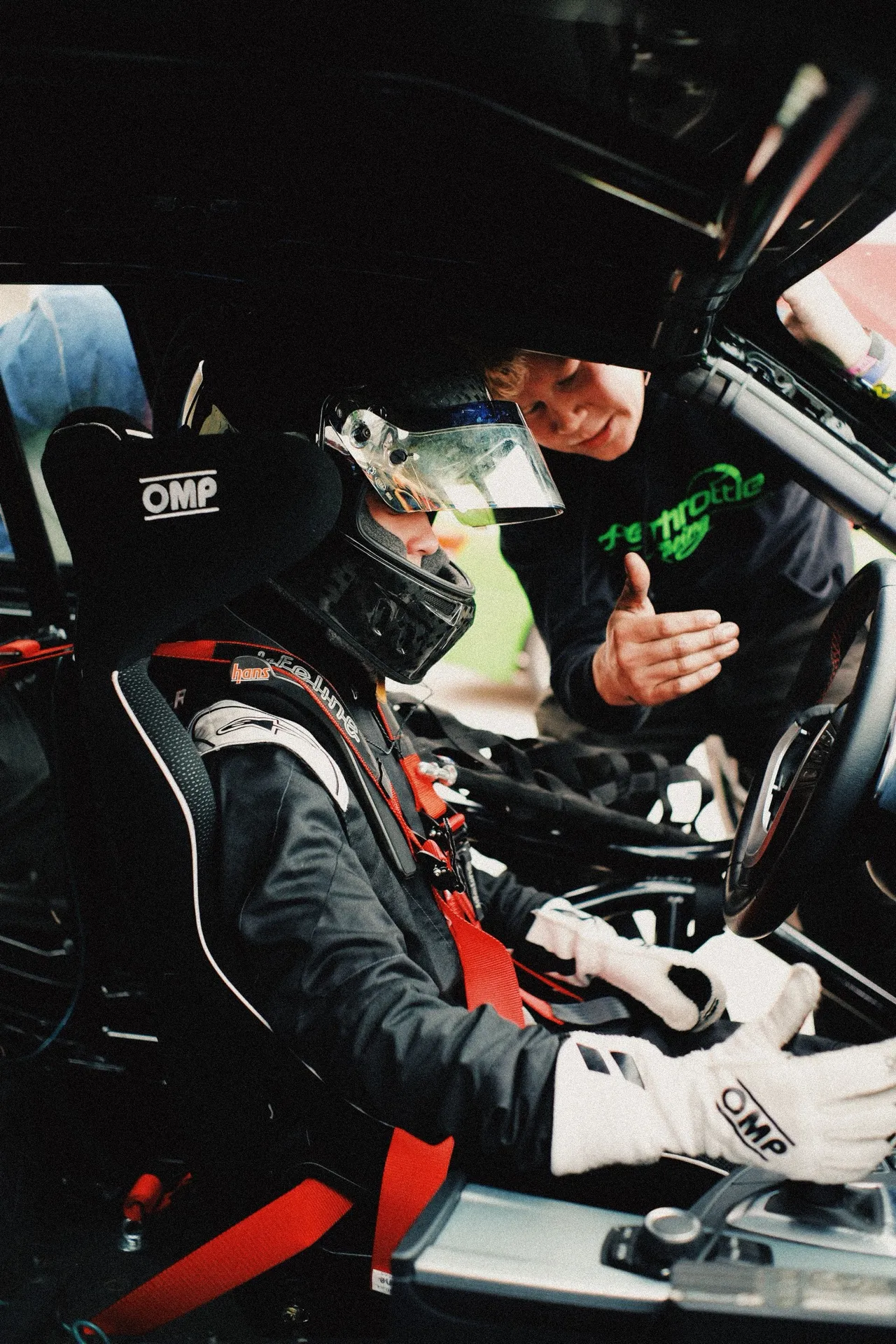
A sprint racer drives every lap of their race. An endurance racer hands it over to someone else and watches. The driver change is endurance racing's defining act, and the thing that turns a twelve-hour into a team sport.
Follow the season live
Standings, the weekend schedule, and the broadcast when a session is on track.