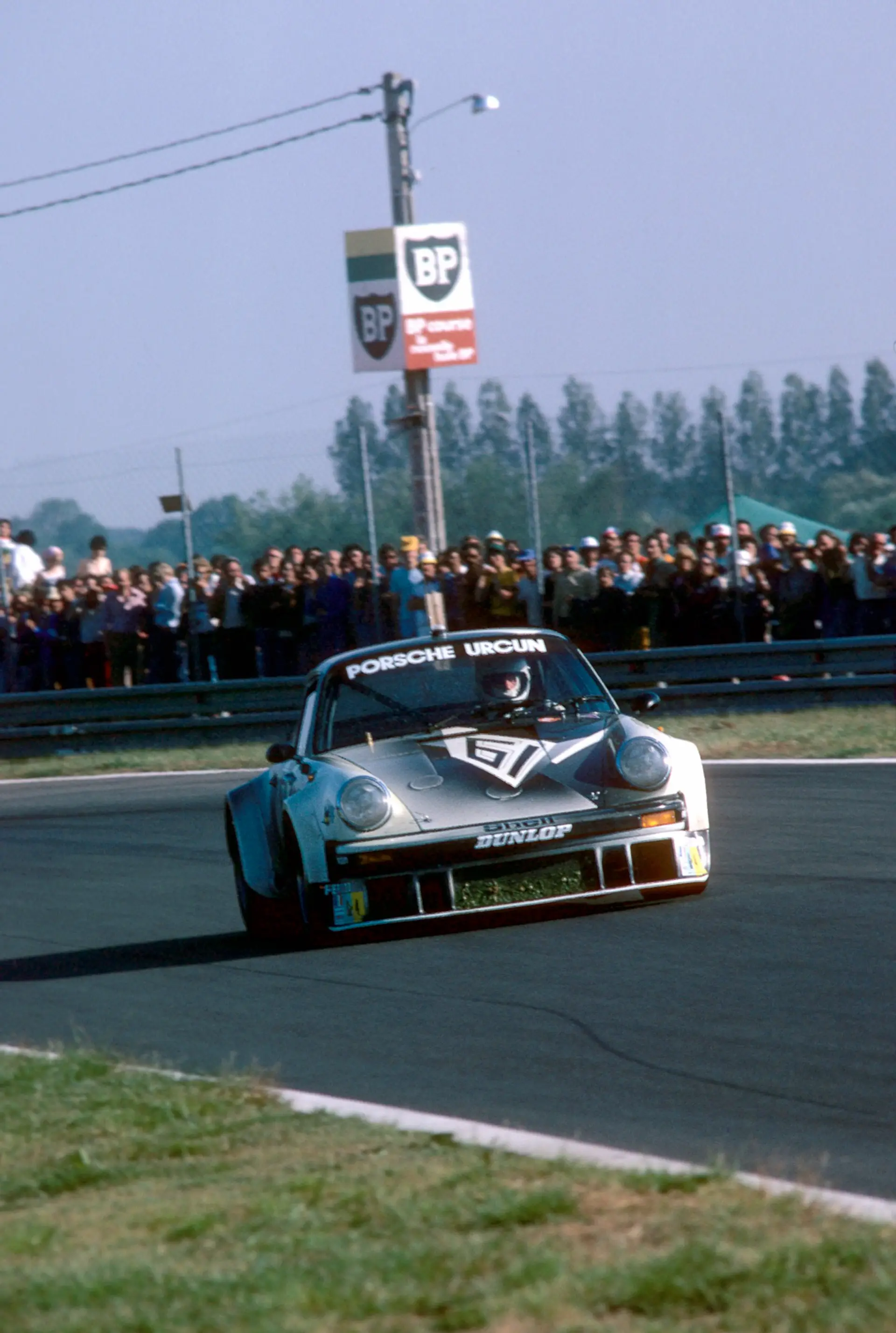
The data, and what it means.
How to destroy a car in 12 hours.
Twenty-eight cars started the twelve-hour race at VIR, and nine never finished. Ninety degrees of hard racing systematically tore the field apart in order. A how-to guide on destroying a race car.
If you set out to destroy a racing car, you might as well do it properly: take twelve hours, turn the temperature up, and let time do the work.
Step 1: Start with the course. You want somewhere punishing, a circuit with at least one corner that turns a single mistake into a rebuild. The more punishing corners, the better. VIR has South Bend: a fast, committed left turn at high speed where an off doesn’t mean a spin and a sheepish recovery, it means torn bodywork, folded suspension, and a long limp back to the garage if you’re lucky to make it that far. One lapse and the car is compromised for the day. If you start with a place like VIR, you have a few corners that can reliably ruin a car.
Step 2: Turn up the heat. Ninety degrees and high humidity will do. From here, you barely have to touch the cars at all: the temperature starts to do the work, first on the driver and then the machine. Then wait, and watch both come apart fairly reliably. Twenty-eight cars started the Zenith Racing Series 12-hour race at VIR; nine never finished, and a number of those that did only got there after real time behind the wall. The endurance racing field of Zenith followed the recipe step by step.
First, the coolsuits
Let’s walk through each step of the recipe. The coolsuit goes first, and you want it to fail. It’s the only thing actively cooling a driver inside a closed cockpit, and in this heat, across the field, they quit early. Without active cooling, driver fatigue comes sooner, and the mistakes come with it. As a driver begins to overheat, the core temperature climbs, reaction time lengthens, and judgment narrows to the next corner. Now the course you picked does its part, and in low cars with a thousand pounds of downforce pushing them into the ground, an off-track adventure is extra expensive.
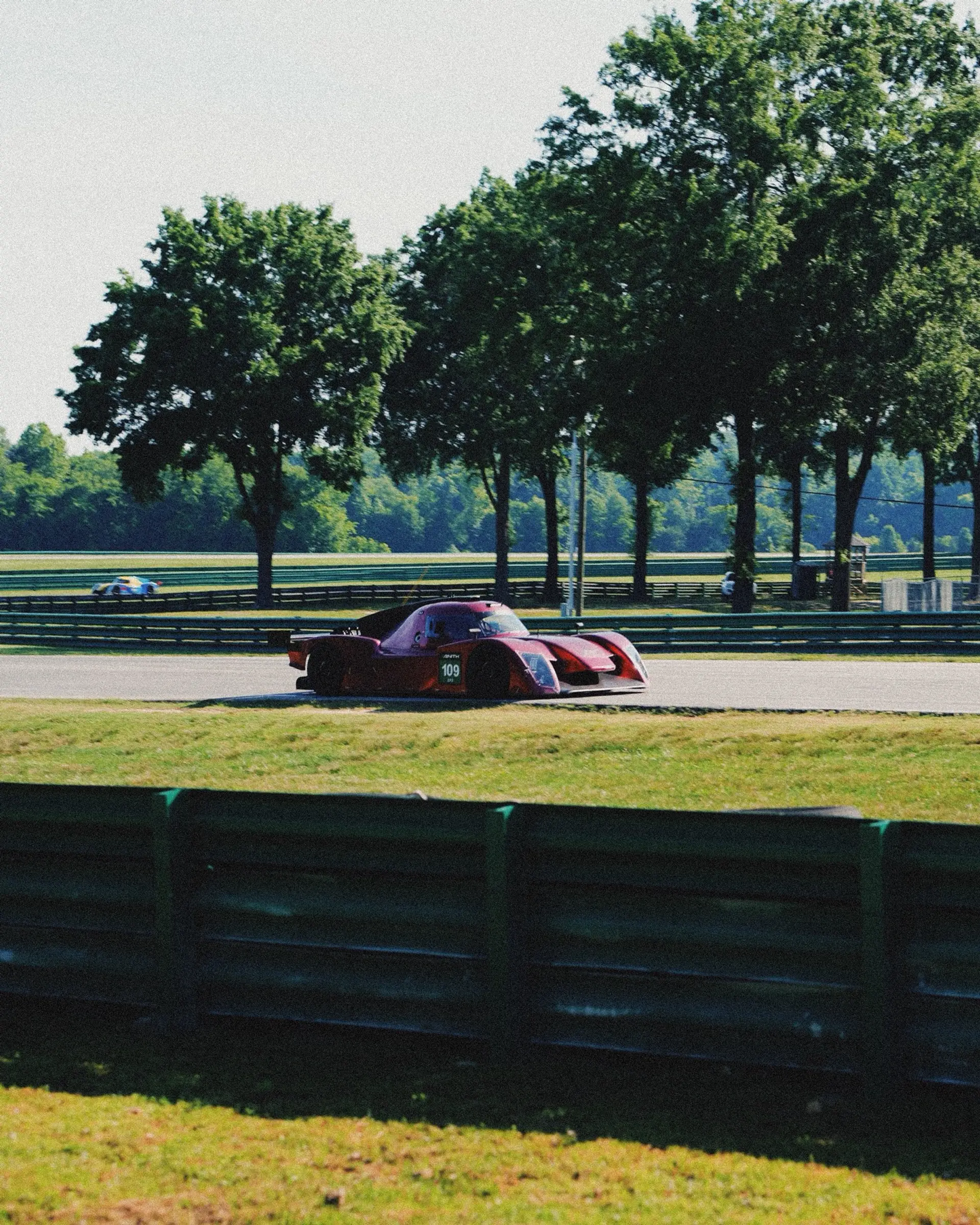
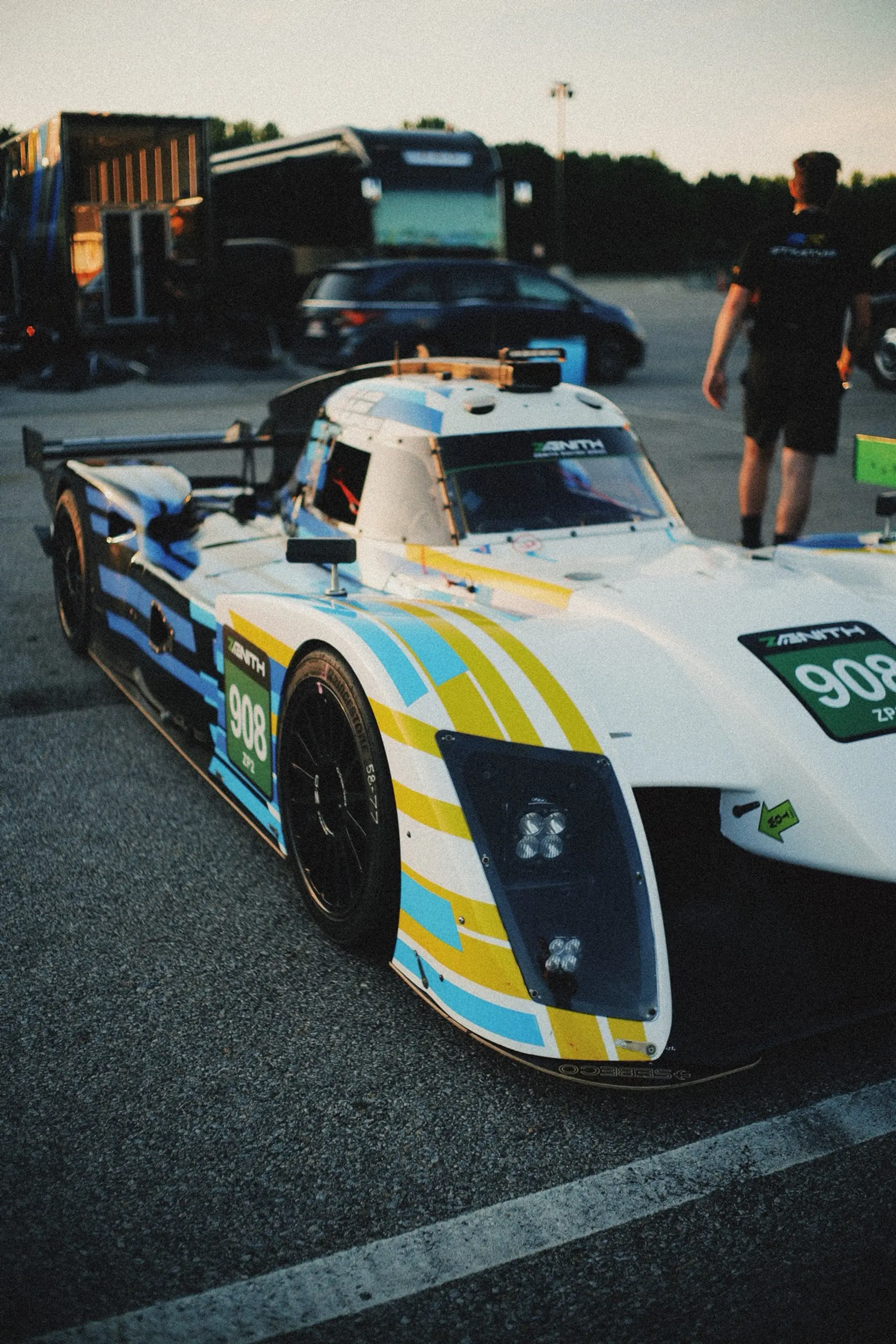
Roberts Motorsports’ #109 lost the back end at South Bend, the exact corner our preview had warned would end races, and put it hard into the wall. One of Stratus Racing’s entries had an off-track excursion there too, and ended the day early. Automatic Racing’s #908 attacked the curbs hard enough to break suspension and bodywork, and was gone before half-distance. The Round 3 Racing #3 car found the barrier too, midway through the day, and limped on to a finish after hasty repairs in the garage.
For a race car built to go the distance, endurance cars are still surprisingly fragile. Building a car to go fast and building one to take a beating are genuinely at odds, and physics doesn’t let you have both. Refitting a car’s bodywork is rough work: engineers can often be spotted cutting, bending, and breaking parts just to get parts of a car into a drivable state. At Le Mans recently, a crew was filmed doing exactly that, wrestling a rear wing to seat the panels, handling an expensive exotic machine like a stuck drawer.
Then the cooling, the electronics, and the tires
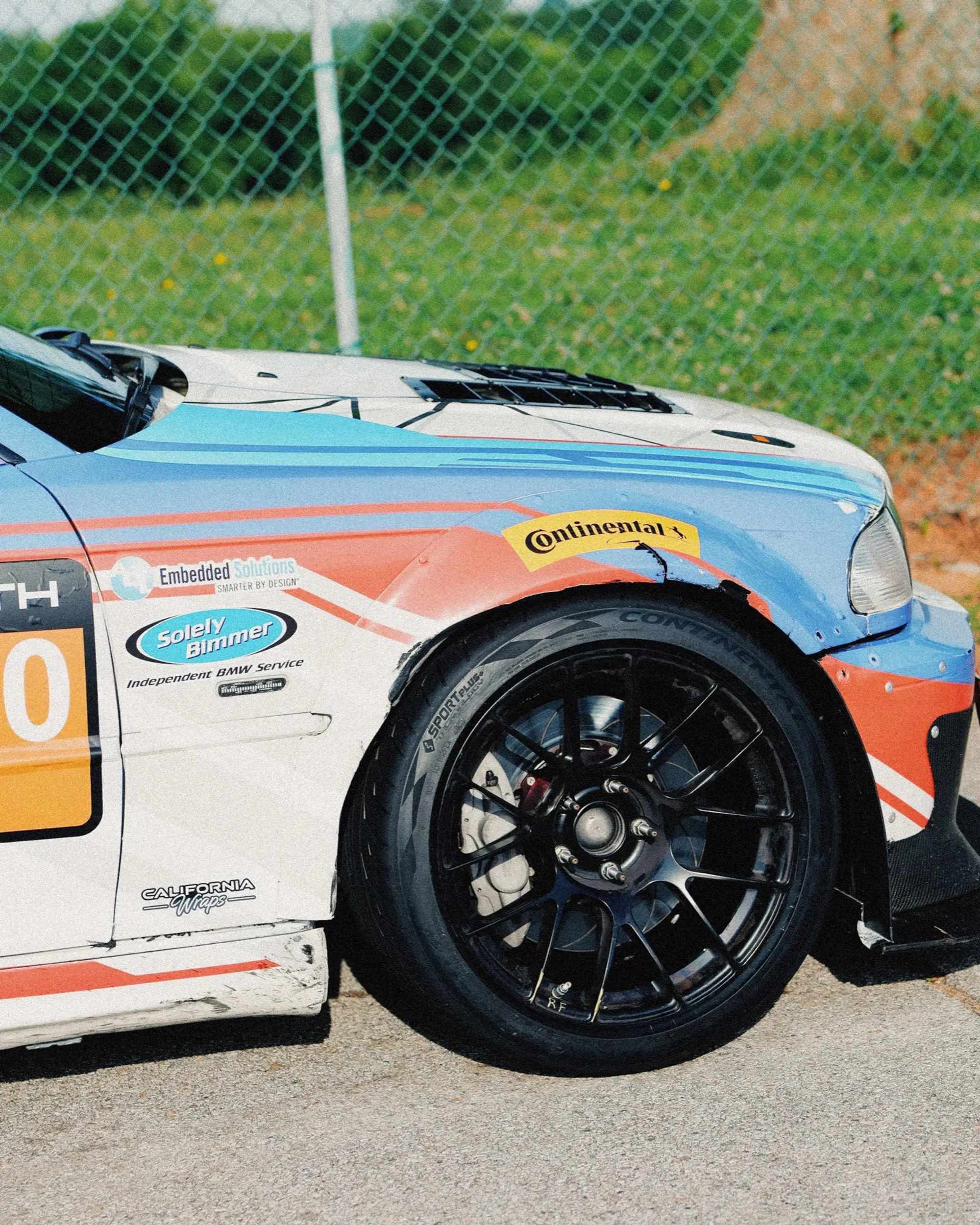
Once some time has passed, now you have a tired and hot driver in a blisteringly hot car, and the two compound well. Heat shrinks every margin: coolant and oil temperatures, gearbox, electronics, and tires all suffer. Systems that seemed adequate in March become marginal and eventually useless in a muggy Virginia June. Even the tire carnage is the heat’s doing. It accelerates degradation, degradation tempts teams into extra stops, and extra stops run several past their tire allocation and into penalties. The #392 machine alone gave back nine laps via tire allocation penalties. Past a certain point the tires simply let go, blistering and chunking on a surface hot enough to cook them inside a stint.
Finally, the brakes
You save the brakes for last. They are the hardest-working system on any race car, and the one nobody wants to fail, especially the driver. On a hot and long race, they’re the final domino. A number of cars suffered brake failures before the end of the race, and for the Random Vandals ZP2 it was costly: it was the mechanical cause behind the day’s heaviest impact. It left the car buried into the tire barrier, and thankfully the driver was okay. The cars that did finish did it on rotors near the end of their life, with twelve hours being about the most you can ask of a single set.
Add it up
Almost no car died of just one failure, they died of the sum. The heat cooks the driver, the cooked driver makes the mistake, the mistake costs bodywork and time. Meanwhile the same heat is working on the tires, the coolant and the electronics, and underneath all of it the brakes are wearing toward their last corner. Each of those is survivable on its own, but over 300-some laps in the heat in Virginia, it’s a miracle just to finish the race.
If your goal is to survive, read the guide backwards
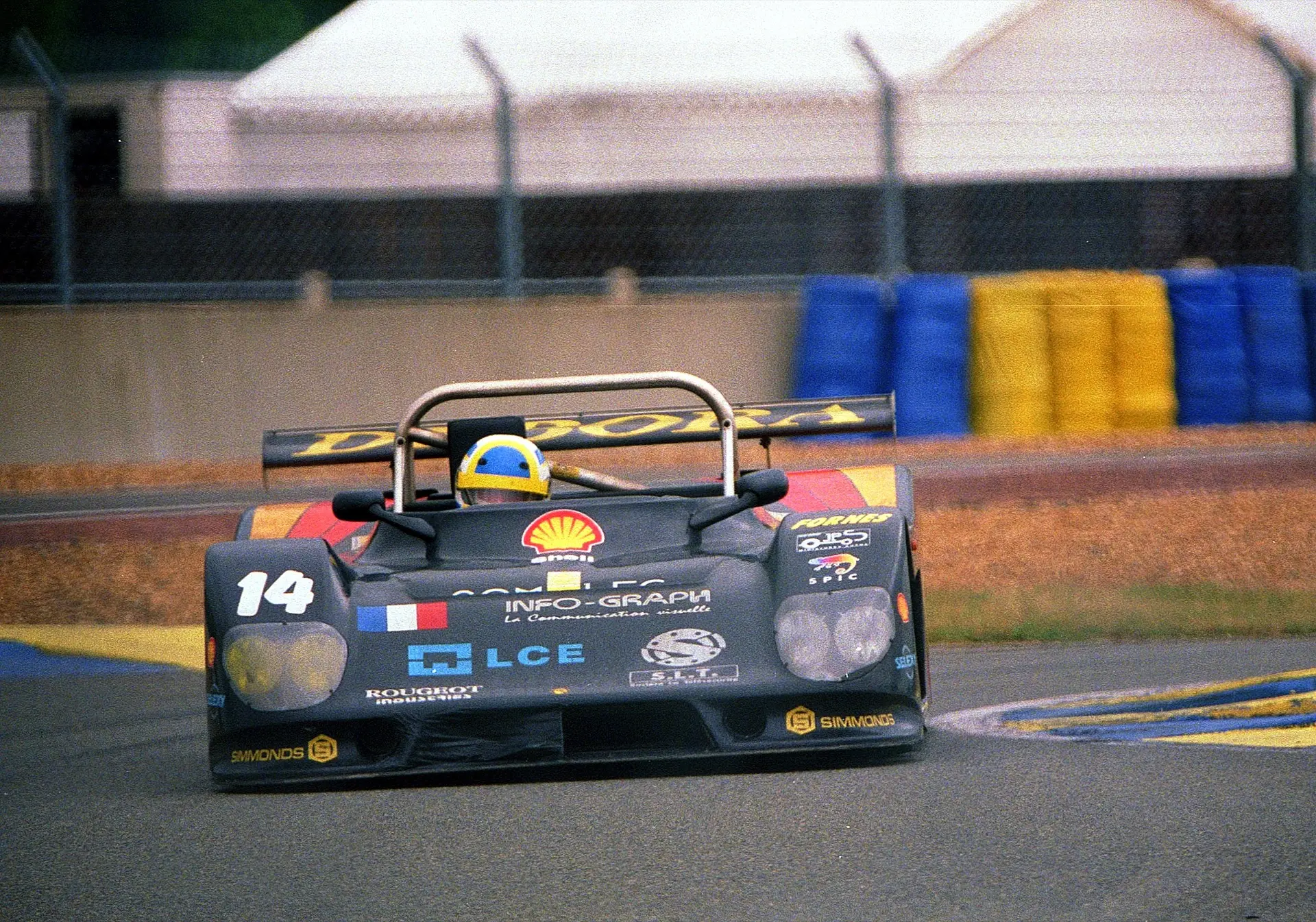
Run the guide backwards. The cars that finished did not have better machinery; they had cleaner drivers. They stayed off the curbs and out of the gravel, treated every off as more expensive than a few lost seconds per lap, and nursed brakes that were closer to the edge than the timing screens showed. And they caught rising engine temperatures early so the team behind them could fix it before it became catastrophic. The overall winner outlasted the race; the class winners, the #99 and the #76, won by being there at hour twelve, not by being fastest. At VIR in June, the surest way to destroy a car was to try to beat the heat with pace. The surest way to survive was to give the heat nothing to work with. The full result is in Dead heat.
Driver debriefs, race dispatches, the story told from inside the helmet, by email.
Chasing the same dream.
He raced motorcycles as a kid, walked away for a decade, then a friend's sim pulled him back. Randy Kinne on his race-day routine, and the difference between chasing risk and surviving it.
Follow the season live
Standings, the weekend schedule, and the broadcast when a session is on track.