Dead heat.
Round 3 of the Zenith Racing Series, the twelve hours at Virginia International Raceway: ninety degrees, most of the field's coolsuits dead by mid-afternoon, nine of twenty-eight cars gone before the finish. Stratus won it by sixty-two seconds over the car that set the fastest lap of the day, and left the two ZP2 championship contenders dead level at the top.
The heat got to most of them before the race did. By early afternoon VIR sat at ninety degrees and humid, and one by one the coolsuits began to quit, the ice-water shirts that keep a driver cool inside a sealed cockpit. By the end most of the field was racing with nothing between the driver and the temperature but a fire suit. Our preview had called the heat the season’s one untested variable; it turned out to decide who had laps left at all.
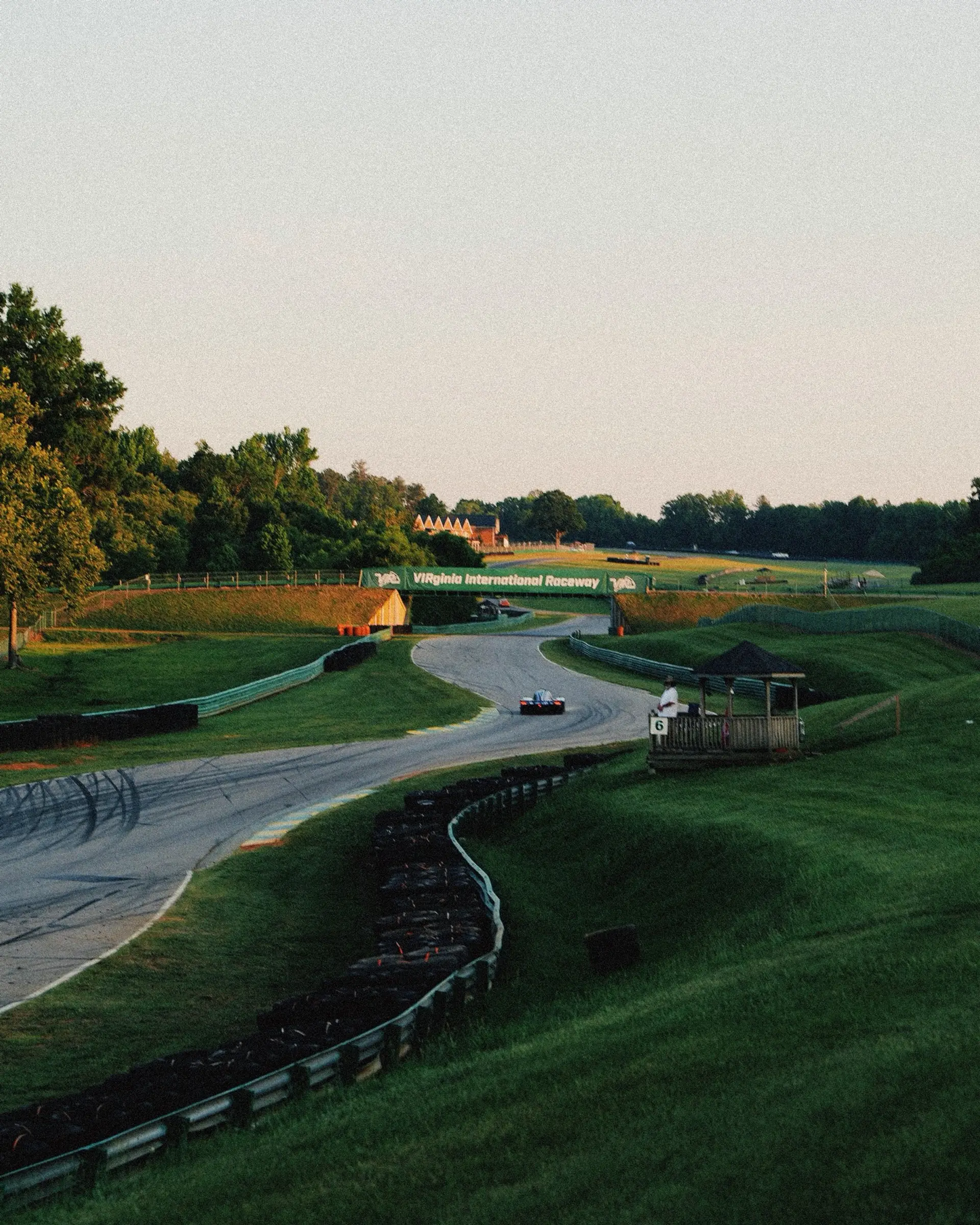
It’s most of the reason so little of the field was whole at the finish. Across 3.27 miles of flat-out esses, a car can be the fastest one out there and still lose. On a day this hot it can also just break, or end up in the wall because the driver gave out before the car did. All of that happened, and the race still came down to sixty-two seconds.
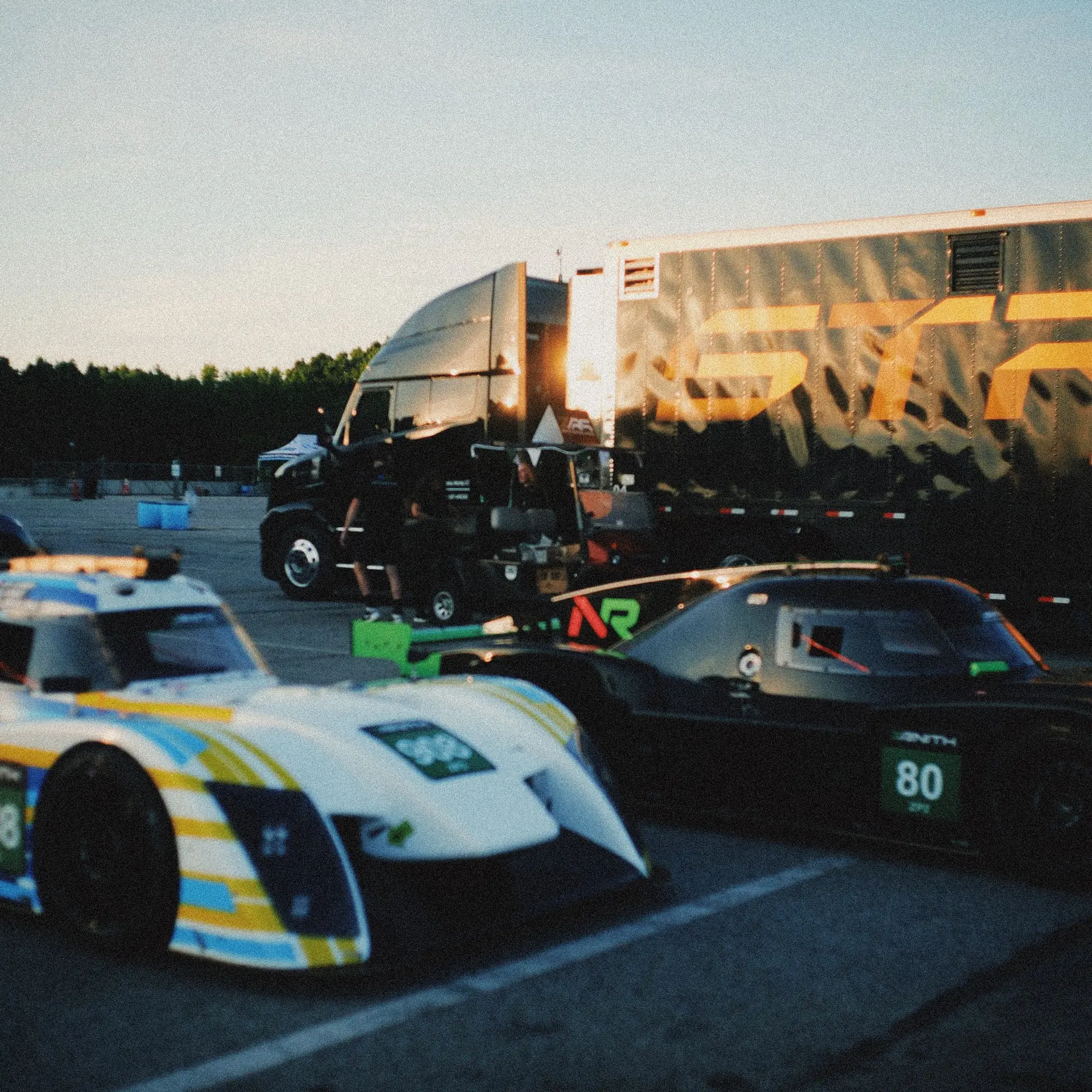
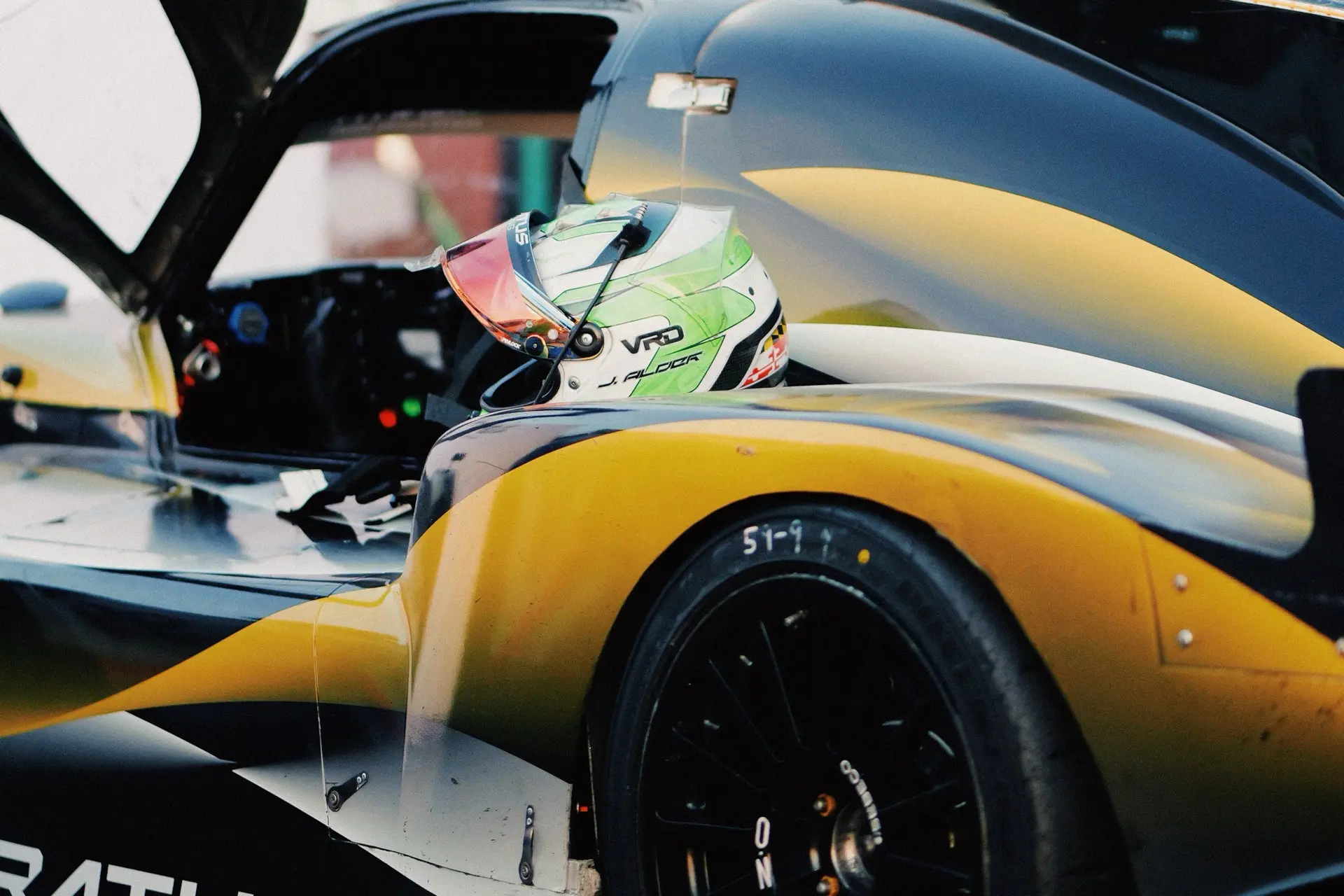
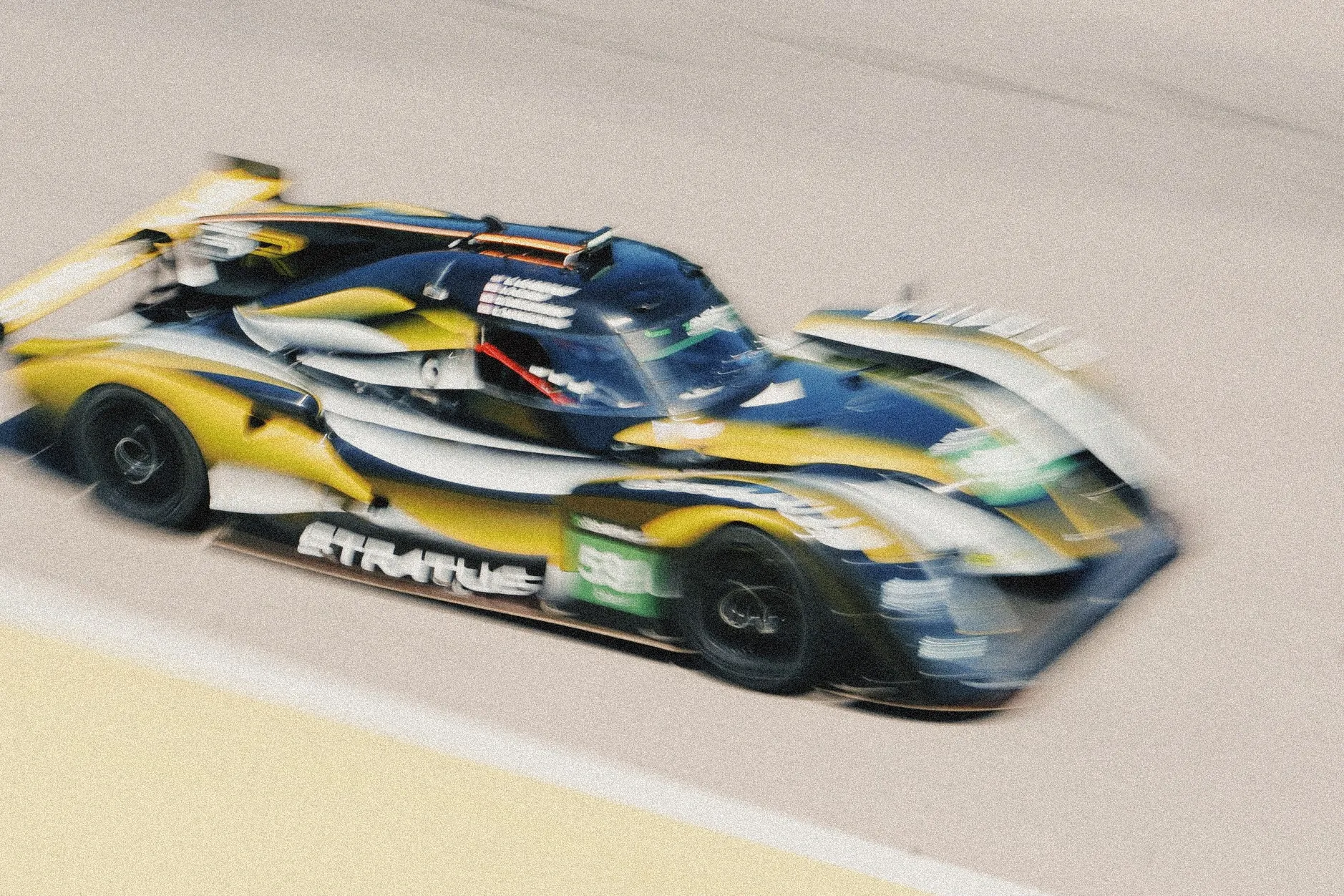
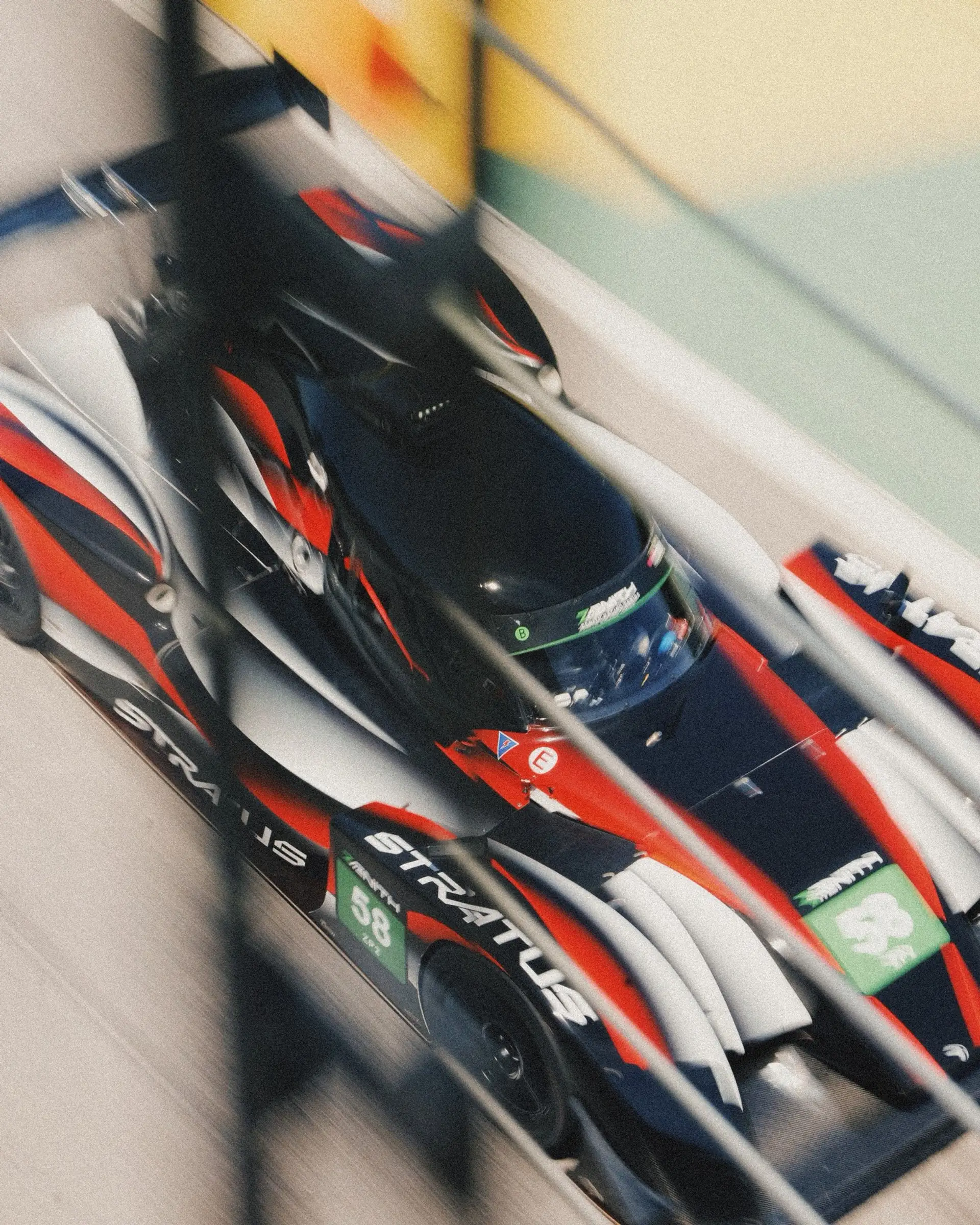
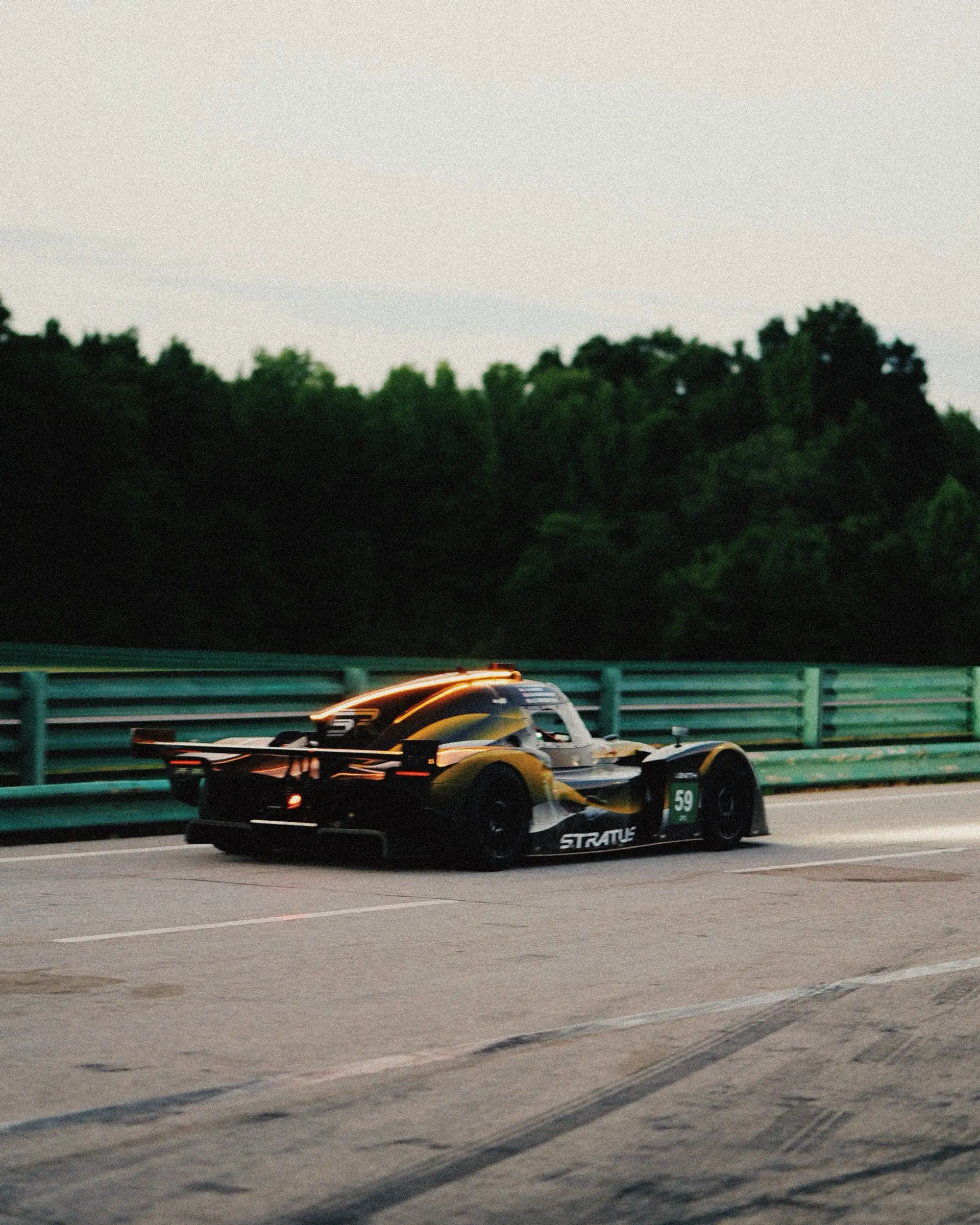
When the flag fell on lap 323, the overall win went to the #59 Stratus Racing entry of Clay Magouyrk, Jason Alder“Quick everywhere he's been.” and Linus Lundqvist, a ZP2 prototype from the series’ fastest class, which led 118 laps, more than anyone. Stratus runs as a guest team, racing for the overall win but not the drivers’ championship, so its day at the front is a separate story from the title fight behind it. But the fastest lap of the race belonged to someone else: Olivier Piatek, sharing the #4 Round 3 Racing car with Kamden Hibbitt and Thomas Bellemin, put in a 1:58.999, the only sub-1:59 of the weekend. Both cars completed all 323 laps. The #4 had the pace; what it did not have was the sixty-two seconds that separated it from Stratus at the line.
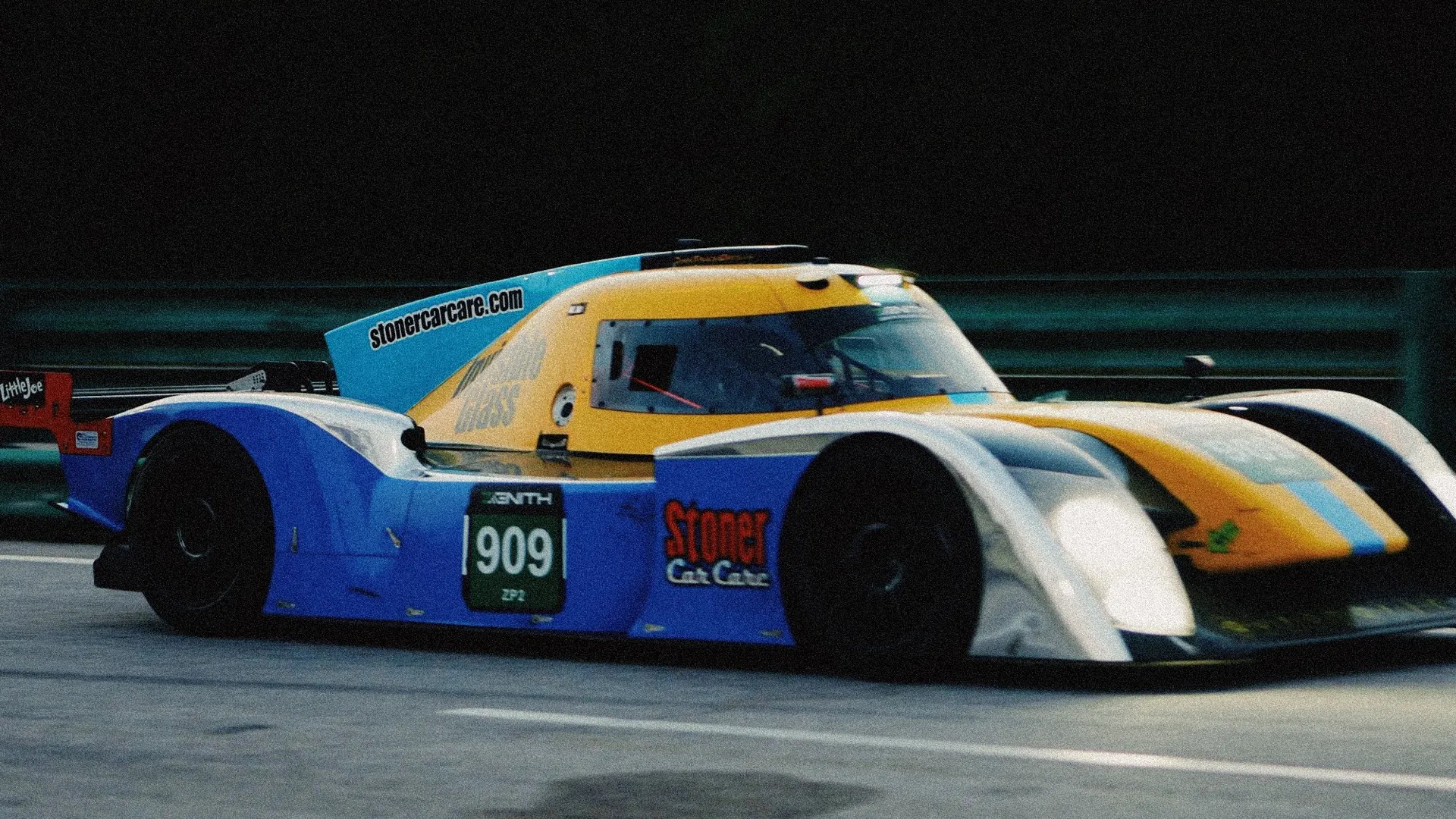
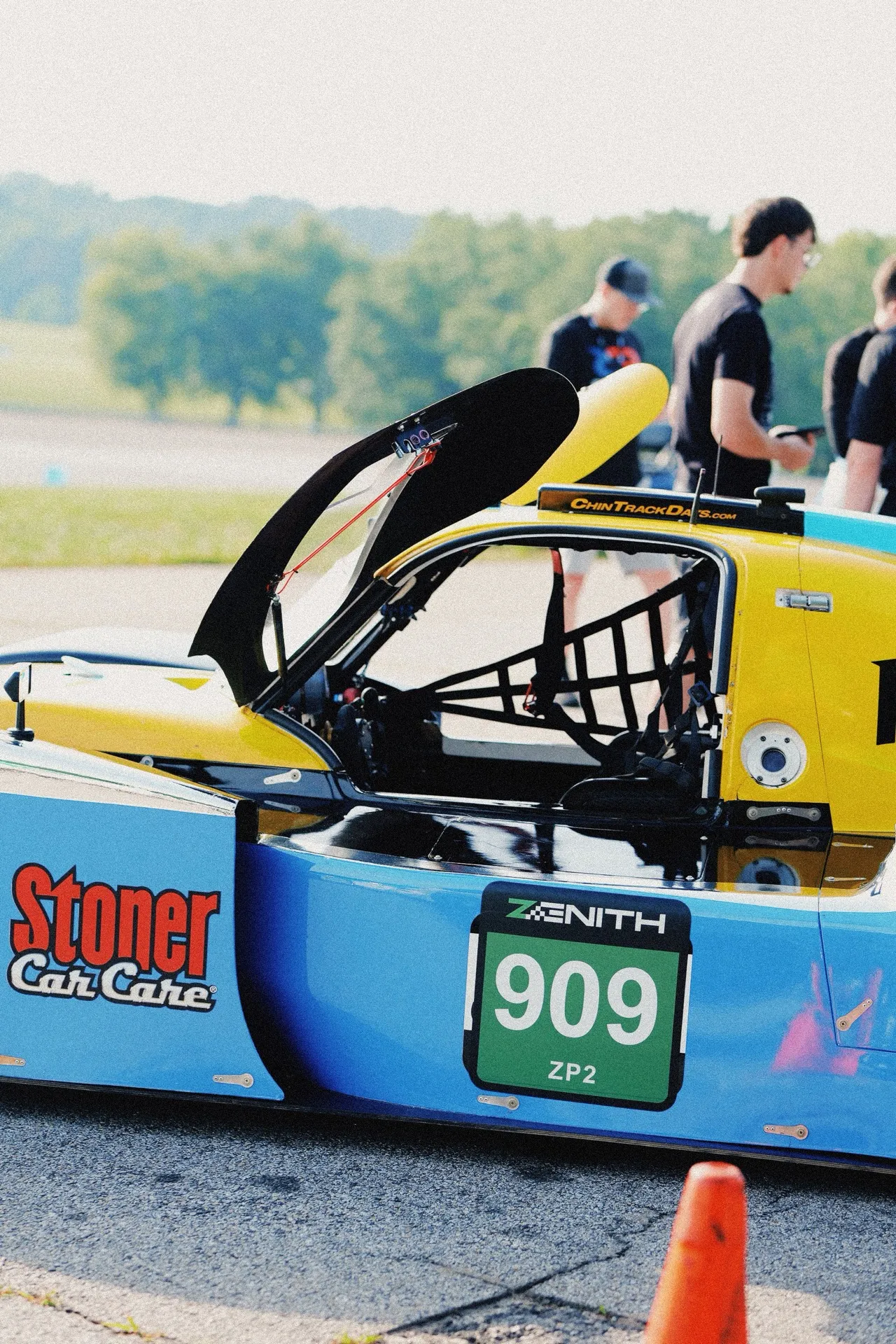
Nimbus Racing’s #77 took third, all on the lead lap, 1:32 back, and did it with just two drivers in the seat, one of them Ethan Barker, where most cars ran three. The #4 took second on the podium. The #5 of Carter Pease, Brad McCall, Randy Kinne“Chasing the same dream.” and Neil Desai came fourth, the place decided only when a late extended stop dropped Automatic Racing’s #909, which had run with the #5 all day, to fifth. Jon McClintock“Still on track at the end.”’s #3 finished sixth. Behind the leaders, the race came apart.
The race that wouldn’t go green
A Code 60 is how the series handles a hazard: no safety car, no restart, just the whole field held to 60kph until the track is clear and then the green again. When you get down to it, it’s a speed limit, and the striking thing about VIR was how much of the field could not keep one. Race control threw one thirteen times, and cars 5, 14, 41, 76, 99, 134, 392, 411, 444 and 909 all took lap penalties for failing to slow to the 60kph delta in time, some of them more than once. The cautions swallowed close to ninety minutes. That’s an hour and a half of the twelve hours spent at a crawl.
Two of the neutralizations weren’t the field’s fault. A fox trotted across the circuit early on; hours later a line of geese decided the racing surface was theirs and were in no hurry to give it back. Each froze the field at sixty while the animals were cleared, the sort of thing only a race this long runs into.
South Bend
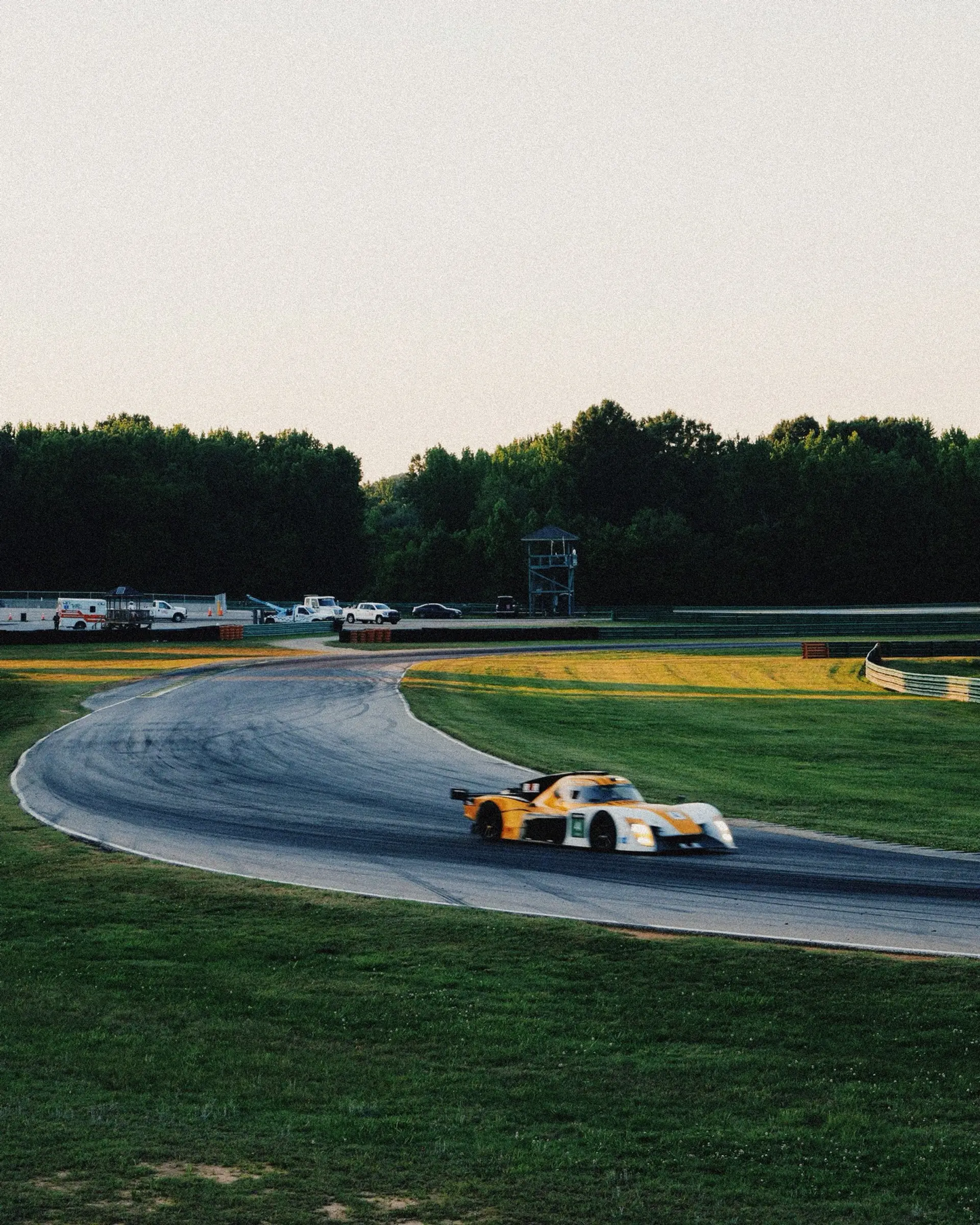
The preview had flagged South Bend, the 110mph kink where a wheel a foot off line turns a fast lap into a long walk. Roberts Motorsports’ #109, shared by Shane Roberts and Ryan Pope, had built its weekend around a low-downforce setup, and early on it looked inspired: the straight-line speed was enough to pull a clean pass on Barker’s #77 and to put the car on a 1:59.1, among the three quickest laps anyone managed all day. But VIR’s fast corners need downforce, and the #109 had given it up for straight-line speed. It caught up at South Bend: a big off into the wall, their race done at 84 laps. And the #109 was not the only one the corner ended. Colin Garrett’s Stratus went off at the same place and broke too much to carry on, taking out one of the team’s three entries.
The heaviest hit came later, at the other end of the lap. A mechanical failure on the Random Vandals #98 sent Kevin Boehm off at the braking zone below the Roller Coaster and hard into the tire barrier, an impact big enough to leave the barrier in pieces. Boehm climbed out; the wall had to be rebuilt before the race could go green, and the clean-up took a long slice of the day’s caution with it.
The wall of attrition
Even the winners weren’t spared the garage. Stratus took the flag with the #59 while both its other entries failed to finish, Colin Garrett’s in that South Bend off and the third without completing a lap. Cars 14, 24, 290 and 908 all faded out of the order. Of twenty-eight starters, nine never reached a classified finish. The order they came apart in, coolsuits first and brakes last, is its own account.
The tire-rule reckoning
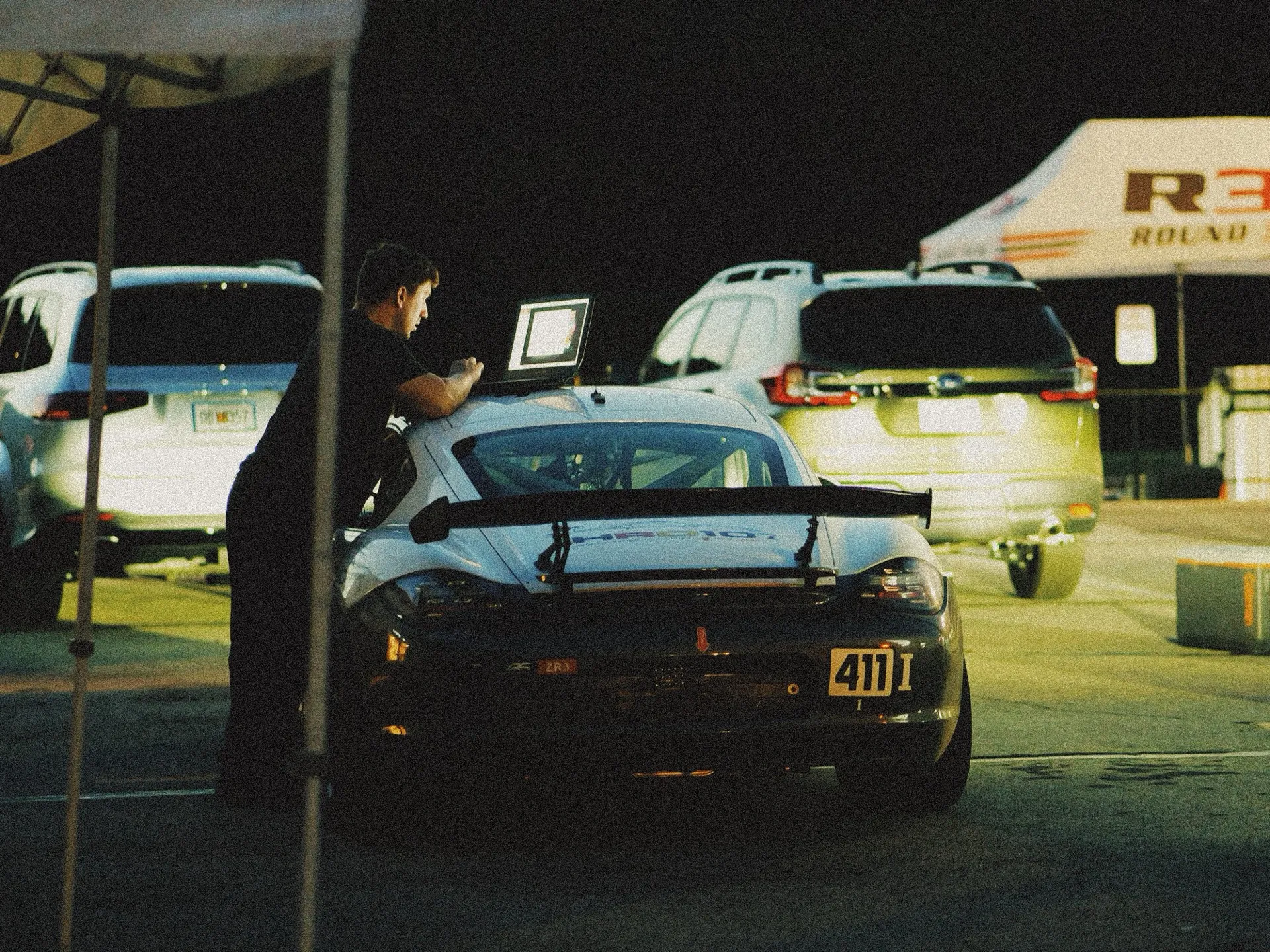
Tires were the other variable the season hadn’t been forced to manage, and VIR was the race that put the allocation rules to the test. Teams that exceeded the permitted number of changes paid in laps: the #14 repeatedly, the #392 Harrison car a cumulative nine laps across several infractions, even the class-winning #99 four of its own. The temptation is always to throw fresh rubber at a problem; here, doing it cost you the race.
The classes that survived the chaos
In ZR2, Team GTR’s #99 of Harold Petit, Rob Jackowitz, Jeff Segal and Michael Gilbert won on 295 laps despite the four-lap tire penalty, and still turned the quickest pit stop of the race, 41.9 seconds. Retro Rockets’ #41 came home next on 290; Nine Four Motorsports’ #95 lasted eighteen laps before it retired.
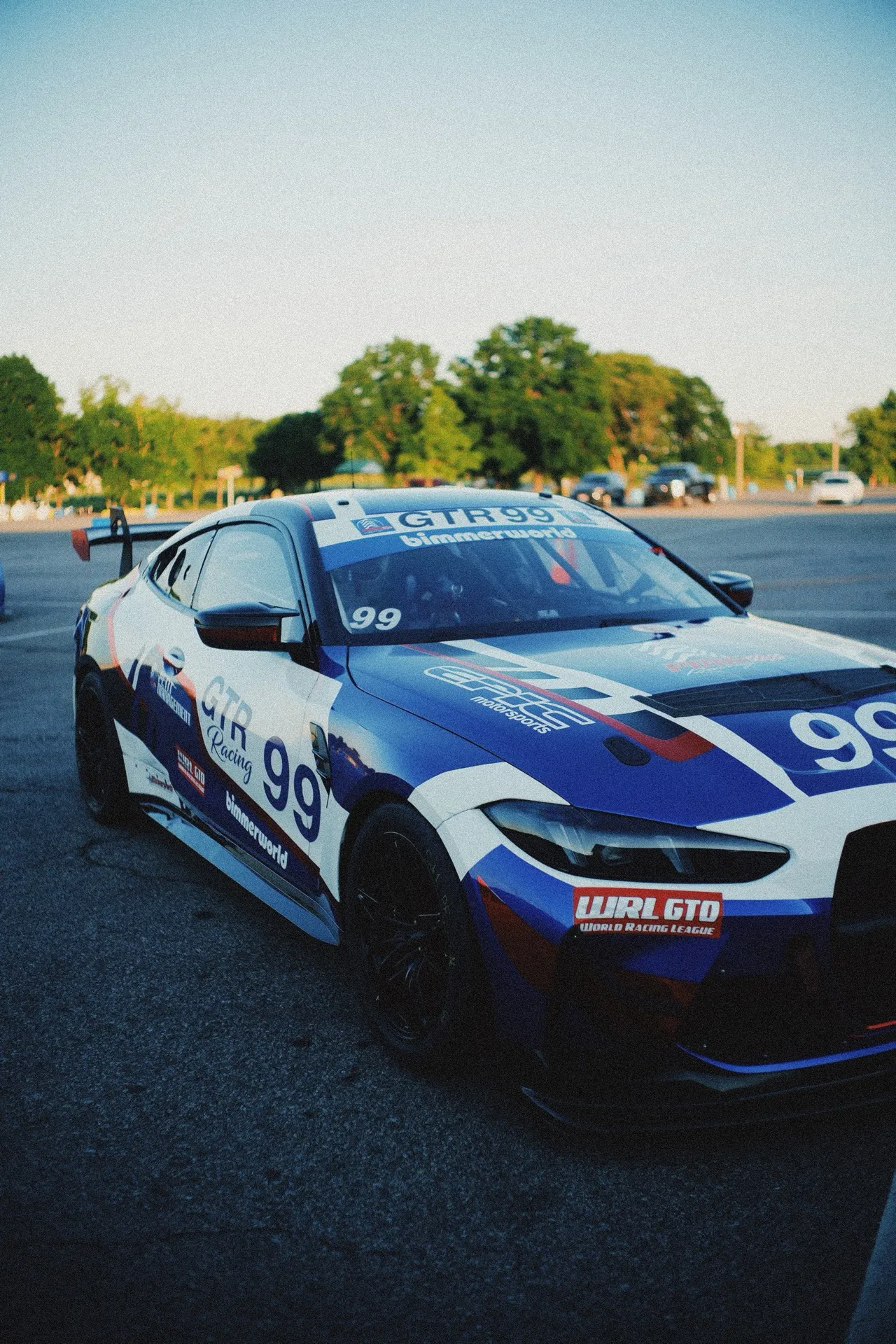
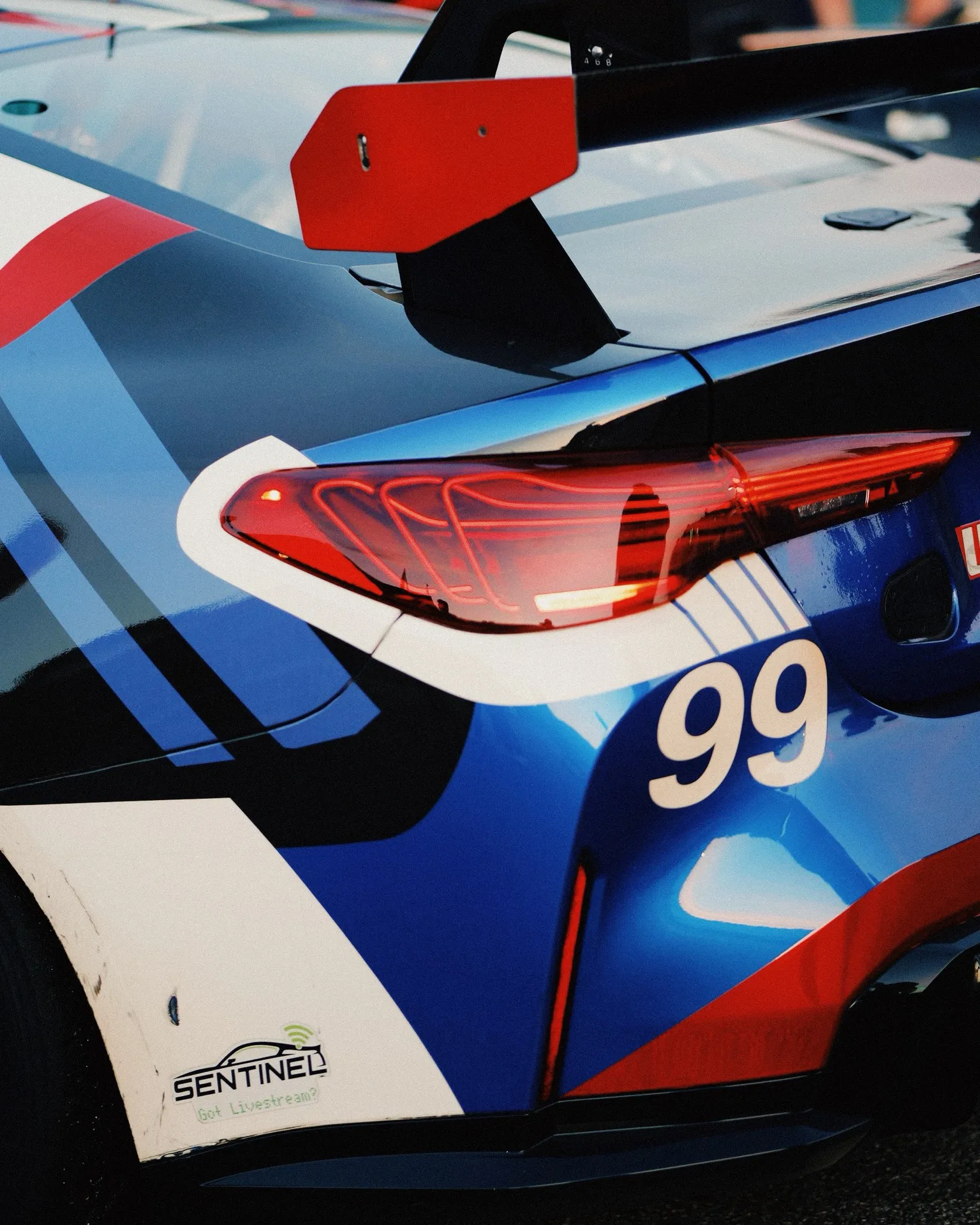
In ZR3, the #76 Grissom Auto Sports car took the class win on 294 laps, brothers Alex and Lawson Crain sharing the seat with the Grissoms and Karl Rebay, two laps clear of HQ Autosport’s #330 and four up on the #392.
The verdict
Twelve hours, twenty-eight starters, ninety degrees, thirteen neutralizations, nine cars out, and at the end of it the car with the fastest lap did not win. The #4 had the quickest lap of the day and ran with the leaders to the final tour, and still came up sixty-two seconds short. At VIR in June, the win went to the car that was still whole.
The result in full
Every car that took the start, in finishing order, and under each, who was in it. The names with a dotted underline carry a dossier; hover for the résumé and the FIA grade where they hold one.
Hover over a driver with a dotted underline♦ to see their story or read their debrief. Filter by class; highlight FIA-graded drivers above.
The Drivers’ Championship: Dead level
For all the carnage, the drivers’ championship came out of VIR almost perfectly balanced. Stratus won the race and leads the entrant standings, but its cars run as exhibition entries, ineligible for the drivers’ crown, so the title belongs to two others, and after three rounds they are exactly level. The Nimbus #77 and the #4 Round 3 Racing leave VIR tied at the top of the ZP2 drivers’ championship, eighty-five points apiece, the #77 ahead only on a tiebreak, the next car a dozen back. They reached that number by opposite roads. The #4 has been the fast car all year: the quickest lap of the weekend, the most outright pace in the class. The #77 has been the relentless one: no fastest laps to its name, two drivers going the full distance every round, every finish banked. Speed one way, consistency the other, and after three rounds they sit on exactly the same number.
It lands one race short of halfway. Road America is next, the fastest circuit on the calendar, which rewards exactly the speed the #4 has in hand. But three rounds in, the cars still standing at the end have been the ones that didn’t try to beat the conditions with pace.